Atoms vs GitHub Next
In the contest of Atoms vs GitHub Next, which AI Code Assistant tool is the champion? We evaluate pricing, alternatives, upvotes, features, reviews, and more.
If you had to choose between Atoms and GitHub Next, which one would you go for?
When we examine Atoms and GitHub Next, both of which are AI-enabled code assistant tools, what unique characteristics do we discover? Atoms is the clear winner in terms of upvotes. Atoms has garnered 92 upvotes, and GitHub Next has garnered 6 upvotes.
Not your cup of tea? Upvote your preferred tool and stir things up!
Atoms
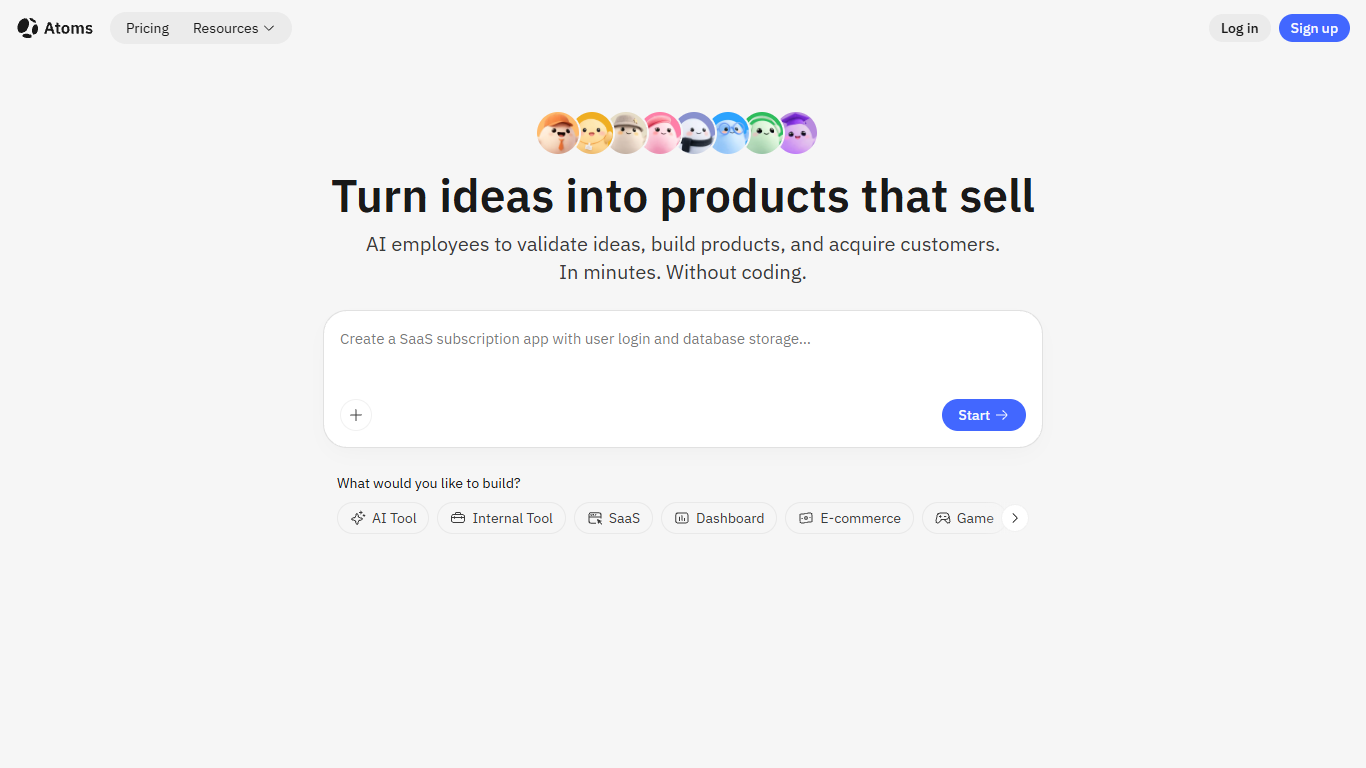

What is Atoms?
Atoms is an AI-powered platform designed to help individuals and teams build websites and applications without needing coding skills. It uses a multi-agent AI system where virtual employees like Product Managers, Engineers, and Data Scientists collaborate to plan, build, test, and launch full-stack apps from simple natural language descriptions. This approach allows users to turn ideas into functional products quickly, making it suitable for entrepreneurs, startups, and professionals who want to create digital products without technical barriers.
The platform supports a wide range of projects including websites, SaaS tools, dashboards, e-commerce stores, portfolios, and even simple games. Users can start with templates or describe their vision in plain language, and Atoms generates complete apps with features like user login, data storage, payment integration via Stripe, and SEO optimization. This makes it a comprehensive solution for building, launching, and growing digital products.
Atoms stands out by combining research, design, coding, and marketing in one place, automating repetitive tasks so users can focus on their core business. It offers one-click deployment with hosting and server management handled automatically. Users maintain full control by exporting code or syncing projects to GitHub, allowing them to scale and customize as needed.
The platform supports multiple languages for natural language input, enabling a seamless experience for users worldwide. It integrates with common tools to fit into existing workflows, ensuring that products built are viable for real business use, not just demos. Atoms also uses a transparent credit system to manage AI task complexity and usage, providing clear budget control.
Overall, Atoms is designed to accelerate product development cycles, reduce the need for technical expertise, and help users acquire paying customers faster by providing built-in business toolkits and growth features.
GitHub Next
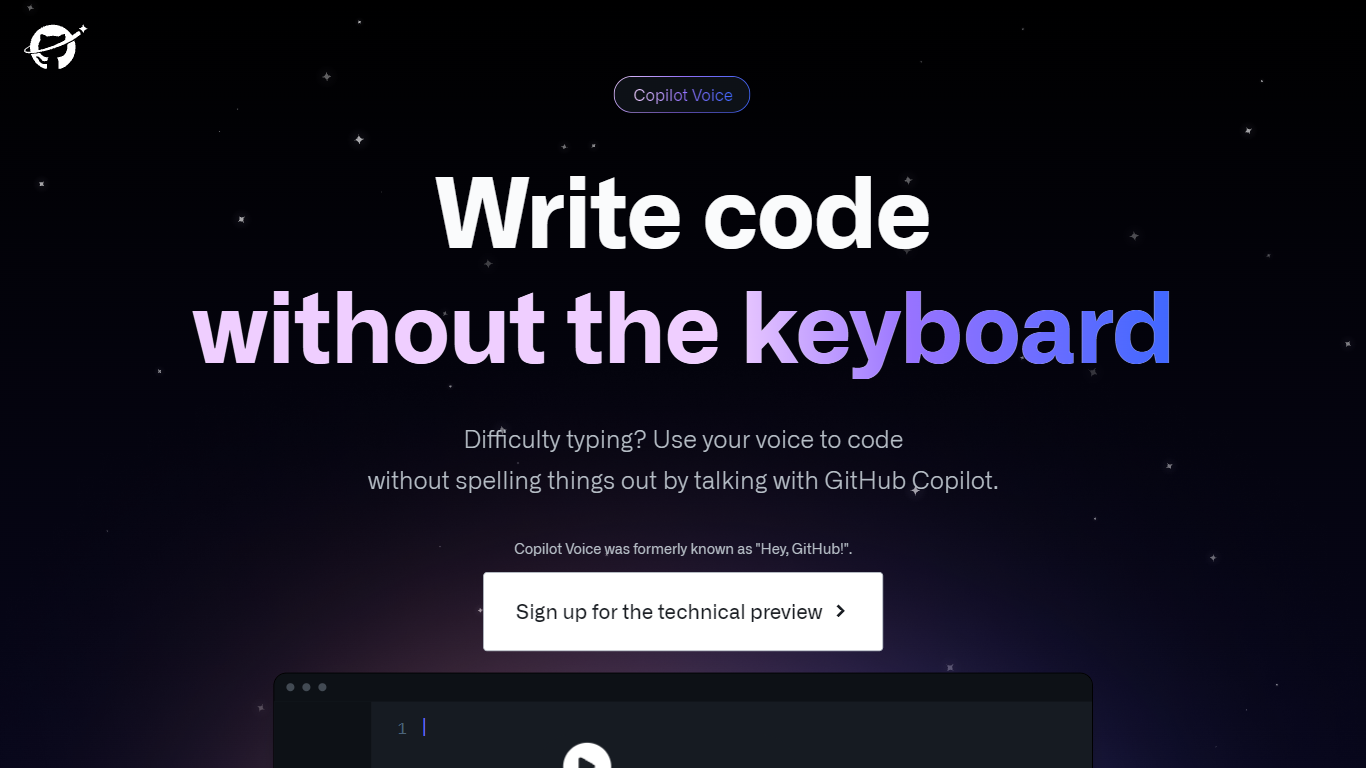
What is GitHub Next?
GitHub Next is an innovative project that revolutionizes the way we write code. Are you tired of constantly typing and making spelling mistakes? With GitHub Copilot, you can now use your voice to code without the need to spell everything out. This cutting-edge technology allows developers to dictate their code, making coding accessible to those who struggle with typing or have difficulty with spelling.
Using GitHub Copilot, you can simply speak your code and have it translated into written code automatically. Whether you're a beginner learning to code or an experienced developer looking to increase productivity, GitHub Next has got you covered. This powerful tool understands natural language and can generate accurate code based on your verbal instructions. It not only saves you time but also helps in reducing errors that may occur due to manual typing.
With GitHub Next, coding becomes more intuitive and efficient. It allows you to focus on the logic and structure of your code rather than spending time on manual input. Whether you're coding in Python, JavaScript, C++, or any other programming language, GitHub Copilot has extensive language support, ensuring that you can code seamlessly in your preferred language.
Aside from its voice coding capabilities, GitHub Next also provides a range of features to enhance your coding experience. It includes code completion suggestions, intelligent error detection, and helpful code snippets, making it a comprehensive code assistant. The tool is constantly learning and improving its suggestions based on community feedback and industry best practices. This means that as you use GitHub Copilot, it becomes more tailored to your coding style and preferences, ultimately becoming an indispensable tool in your coding workflow.
In addition to its coding features, GitHub Next offers seamless integration with the GitHub platform. You can easily sync your projects, collaborate with fellow developers, and access version control functionalities, all within the same environment. This integration ensures that your code remains organized, secure, and easily accessible, allowing for efficient collaboration and version management.
Atoms Upvotes
GitHub Next Upvotes
Atoms Top Features
🛠️ Multi-agent AI team builds apps collaboratively to speed development
💬 Natural language chat lets you describe ideas without coding
🚀 One-click deployment with hosting and server setup included
💳 Built-in Stripe payments to start charging customers immediately
🔄 Export code and sync with GitHub to keep full project control
GitHub Next Top Features
No top features listedAtoms Category
- Code Assistant
GitHub Next Category
- Code Assistant
Atoms Pricing Type
- Freemium
GitHub Next Pricing Type
- Freemium