Basis Theory vs Mest
Compare Basis Theory vs Mest and see which AI Finance tool is better when we compare features, reviews, pricing, alternatives, upvotes, etc.
Which one is better? Basis Theory or Mest?
When we compare Basis Theory with Mest, which are both AI-powered finance tools, The upvote count shows a clear preference for Mest. Mest has 7 upvotes, and Basis Theory has 6 upvotes.
Feeling rebellious? Cast your vote and shake things up!
Basis Theory

What is Basis Theory?
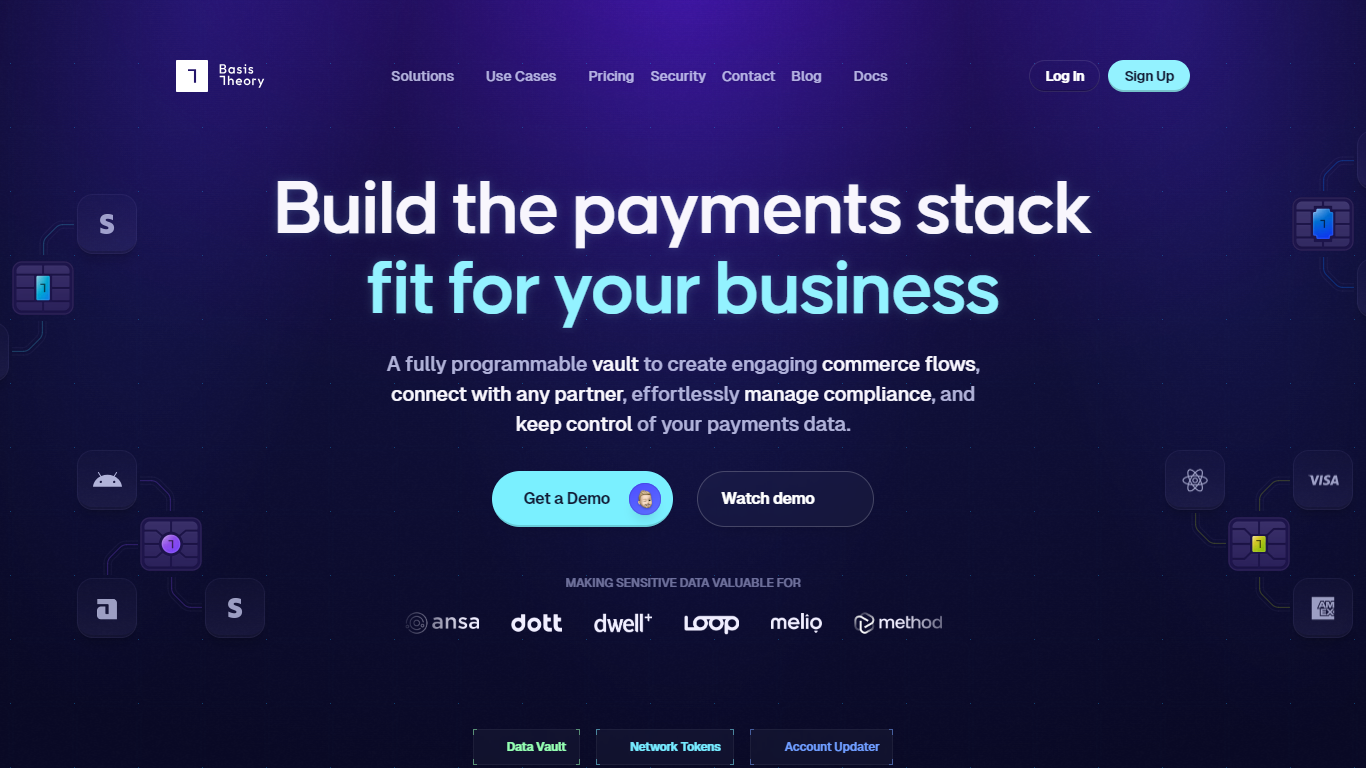
Basis Theory tokenizes, routes, and stores payment data outside your own systems so finance teams can keep checkout running without touching raw card numbers. Merchants collect cards through Universal Form Elements, keep tokens for recurring charges, and send those tokens to any payment service provider without rebuilding checkout. The site describes it as more than a token vault because it also handles PSP routing, authorization optimization, and resilience when a processor fails.
Most payment vaults lock you into one processor stack. Basis Theory stays PSP-agnostic so you can route transactions to Stripe, Braintree, Adyen, or a backup provider when the primary path declines. That unbundling matters most when a single PSP shutdown would otherwise take revenue offline, which creator platforms and vertical SaaS vendors cite as the core reason they adopt it over all-in-one checkout bundles.
Developers integrate through APIs, SDKs, and prebuilt web Elements documented at developers.basistheory.com. Product and finance teams at subscription businesses, e-commerce brands, and platforms building PayFac capabilities use it to shrink PCI scope, configure retry logic for failed renewals, and add Linque-powered payment method discovery at checkout.
Mest
What is Mest?
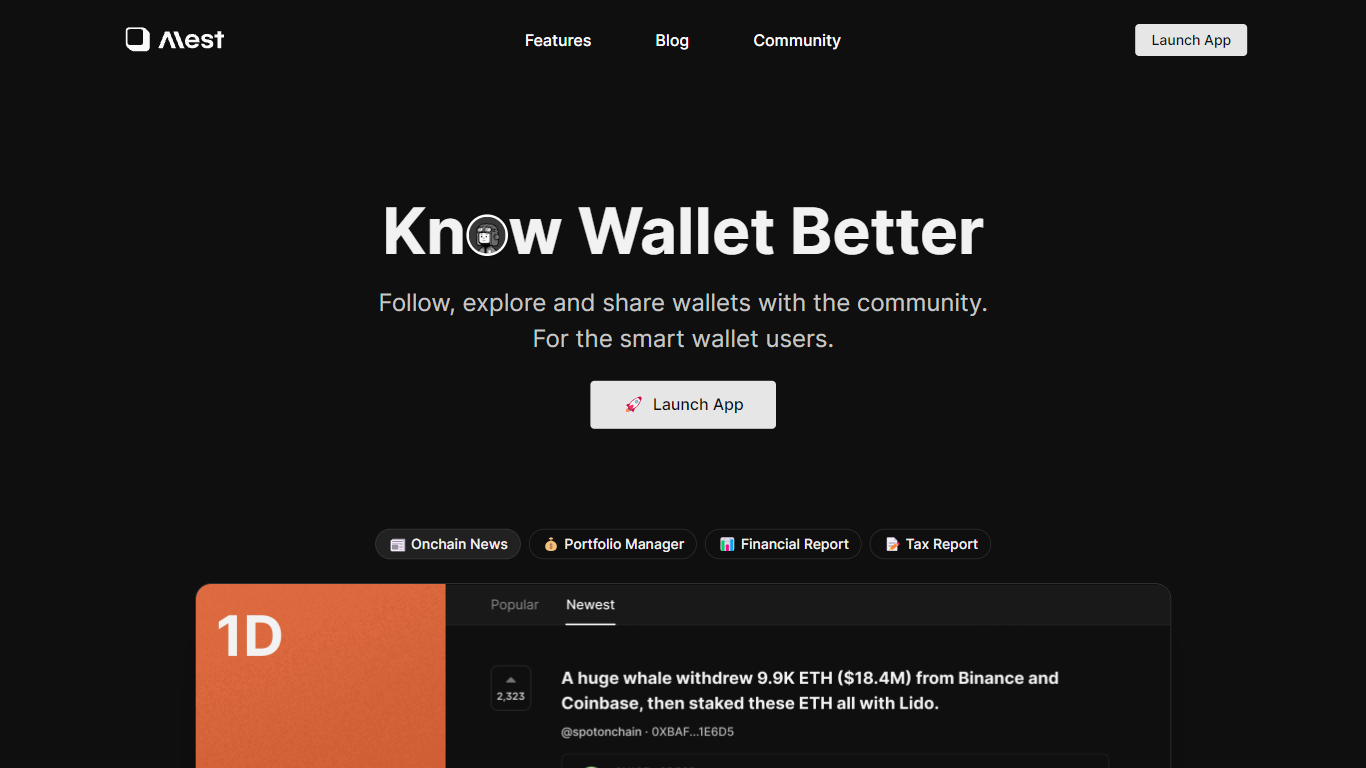
Mest tracks crypto wallets and exchange accounts in one place so you can see holdings, cost basis, profit, and loss without spreadsheets. Paste a wallet address and get token positions, transaction history, NFT performance, and gas fee breakdowns on a single dashboard.
Portfolio trackers like DeFi dashboards show balances but rarely explain what happened on-chain. Mest layers a semantic labeling protocol on top of Ethereum data, letting users tag transactions with human-readable context via Nostr. You can also share wallet stories on a canvas mixing text, images, and widgets.
Crypto traders, NFT collectors, and analysts use Mest to audit wallet activity, filter transactions by token or counterparty, and publish on-chain narratives. Note that mest.io currently returns a Cloudflare DNS error, while docs.mest.io and blog.mest.io remain accessible.
Basis Theory Upvotes
Mest Upvotes
Basis Theory Top Features
Starter plan includes 20,000 vault tokens for $995 per month, with $0.05 per additional token
PCI Level 1 CDE plus SOC 2 Type II, ISO 27001, and HIPAA compliance certifications on the security page
Configurable retry logic re-presents failed subscription charges through a backup payment processor
Universal Form Elements SDK mounts cardNumber, cardExpirationDate, and cardVerificationCode fields without raw PAN data touching your app
Linque payment discovery covers roughly 80% of U.S. consumers using first name, last name, and phone verification
Proxy and Share APIs format token payloads for Stripe, Braintree, Adyen, and other processors
Mest Top Features
Consolidates multiple crypto wallets and exchange accounts into one balance sheet
Calculates token cost basis, earnings, and position distribution over time
Transaction filters by time, token, counterparty, type, and value
NFT profit and loss tracking with ROI per traded item
Gas fee tracker shows spending patterns across wallet activity
Mest Protocol labels on-chain transactions using Ethereum and Nostr standards
Basis Theory Category
- Finance
Mest Category
- Finance
Basis Theory Pricing Type
- Freemium
Mest Pricing Type
- Freemium