Blaze SQL AI vs SDF
When comparing Blaze SQL AI vs SDF, which AI SQL tool shines brighter? We look at pricing, alternatives, upvotes, features, reviews, and more.
Between Blaze SQL AI and SDF, which one is superior?
When we put Blaze SQL AI and SDF side by side, both being AI-powered sql tools, Neither tool takes the lead, as they both have the same upvote count. Be a part of the decision-making process. Your vote could determine the winner.
You don't agree with the result? Cast your vote to help us decide!
Blaze SQL AI
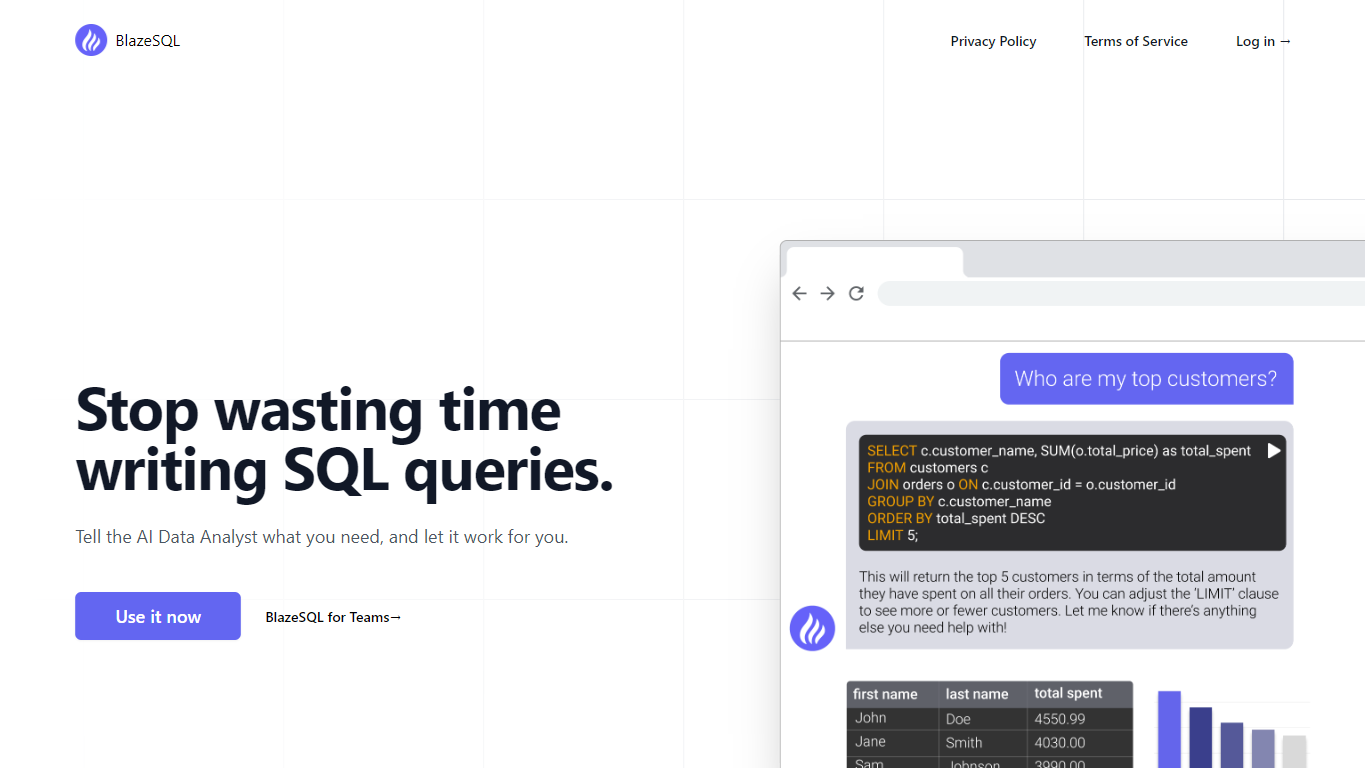

What is Blaze SQL AI?
Blaze SQL AI is a self-learning AI data analyst that turns plain-English questions into SQL queries against your own database. It auto-extracts your schema, learns from feedback, and tracks its accuracy so both engineers and non-technical staff can query live data without writing SQL by hand. The product also ships personal dashboards, a desktop app with offline mode, and connectors for ChatGPT, Claude, Slack, and Microsoft Teams.
Unlike generic chatbots that guess at table names, BlazeSQL is built around persistent database context and governed access. It measures query accuracy over time, supports row-level filters for multi-tenant setups, and offers a white-label embedded analytics chatbot SaaS vendors can drop into their own products. That focus on governed, repeatable SQL generation is what separates it from one-off text-to-SQL demos.
Analytics managers, BI leads, and SaaS product teams use it to cut ad hoc data requests and let business users self-serve. Pro starts at $150 per month with dashboards and a private desktop connection; Advanced at $250 adds Python analytics and embeddable dashboards; Team plans from $400 per month include shared workspaces for three users.
SDF
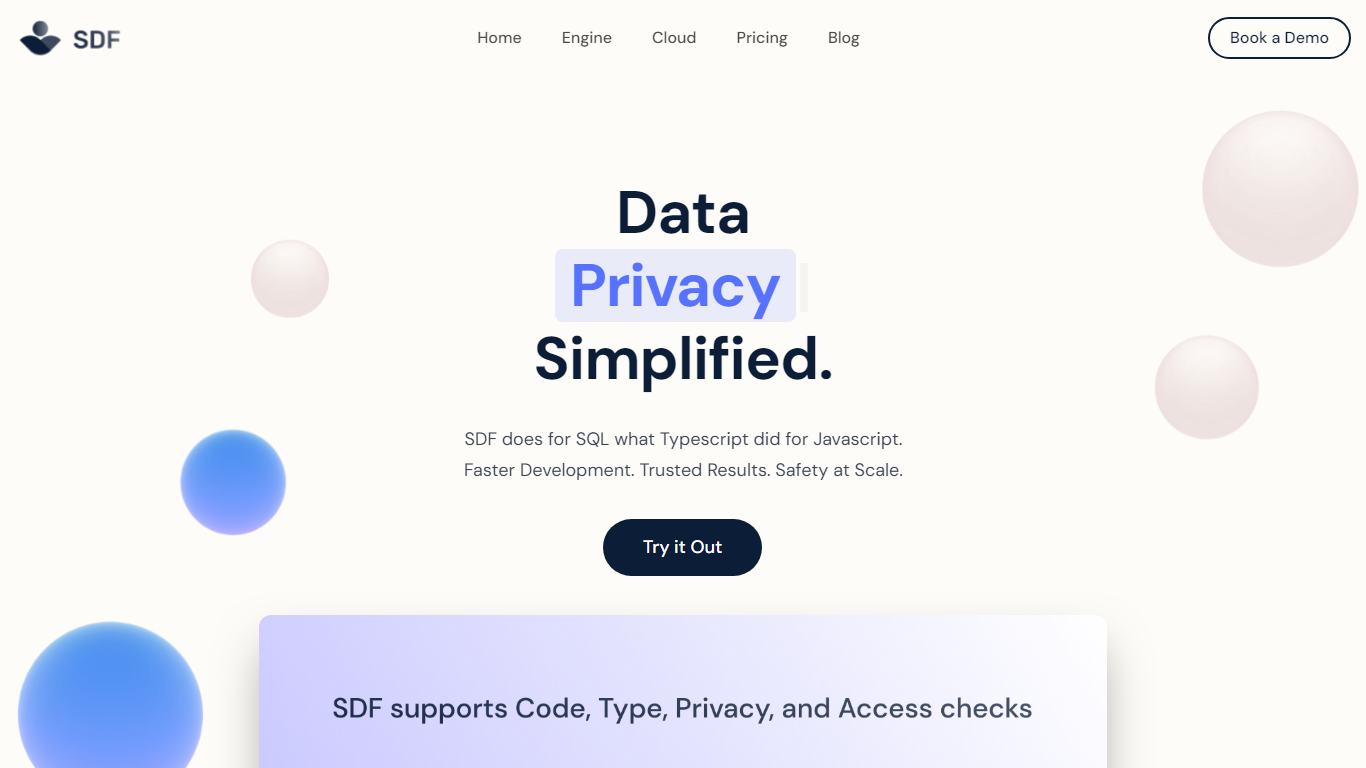
What is SDF?
SDF is a SQL comprehension engine that reads warehouse SQL, builds intermediate representations of each query, and flags mistakes before anything runs. It sits in the analytics stack between raw SQL text and the database, giving teams compile-time insight into syntax, types, and downstream column shapes.
Most SQL linters stop at surface syntax. SDF works through three stacked levels: parsing into a syntax tree, compiling a logical plan with function signatures and return types, and executing a physical plan when data-level checks matter. That ladder catches wrong argument order on Snowflake dateadd calls and impossible cast dates that parsers alone would miss, which is why dbt Labs bought SDF Labs to embed the engine inside dbt rather than bolt on another string preprocessor.
Analytics engineers and dbt developers use SDF to harden large warehouse projects, trace column-level lineage, and ship transformations with fewer surprise runtime failures. Since the mid-2024 GA launch, sdf.com routes visitors to dbt Labs pages explaining how the acquisition folds SDF into the next dbt engine.
Blaze SQL AI Upvotes
SDF Upvotes
Blaze SQL AI Top Features
Auto-extracts database schema and starts querying with no manual setup
Technical and non-technical modes for engineers and business users
Connectors for ChatGPT, Claude, Slack, and Microsoft Teams
Drag-and-drop personal dashboards built from AI chat answers
Desktop app with offline mode keeps query results on your machine
Advanced plan runs Python analytics and sends AI-generated reporting emails
White-label embedded chatbot with row-level access controls for SaaS products
SDF Top Features
Three SQL comprehension levels: parsing syntax trees, compiling logical plans, and executing physical plans
Level 2 compilation validates Snowflake function signatures and catches wrong dateadd argument order before runtime
dbt Labs acquisition targets true column-level lineage inside dbt projects
Static analysis flags impossible casts such as January 32 dates that parsers approve
Logical plans infer column return types without executing warehouse queries
Blaze SQL AI Category
- SQL
SDF Category
- SQL
Blaze SQL AI Pricing Type
- Paid
SDF Pricing Type
- Paid