Docuopia vs Web on Demand
In the contest of Docuopia vs Web on Demand, which AI Web Apps tool is the champion? We evaluate pricing, alternatives, upvotes, features, reviews, and more.
If you had to choose between Docuopia and Web on Demand, which one would you go for?
When we examine Docuopia and Web on Demand, both of which are AI-enabled web apps tools, what unique characteristics do we discover? Neither tool takes the lead, as they both have the same upvote count. Your vote matters! Help us decide the winner among aitools.fyi users by casting your vote.
Not your cup of tea? Upvote your preferred tool and stir things up!
Docuopia
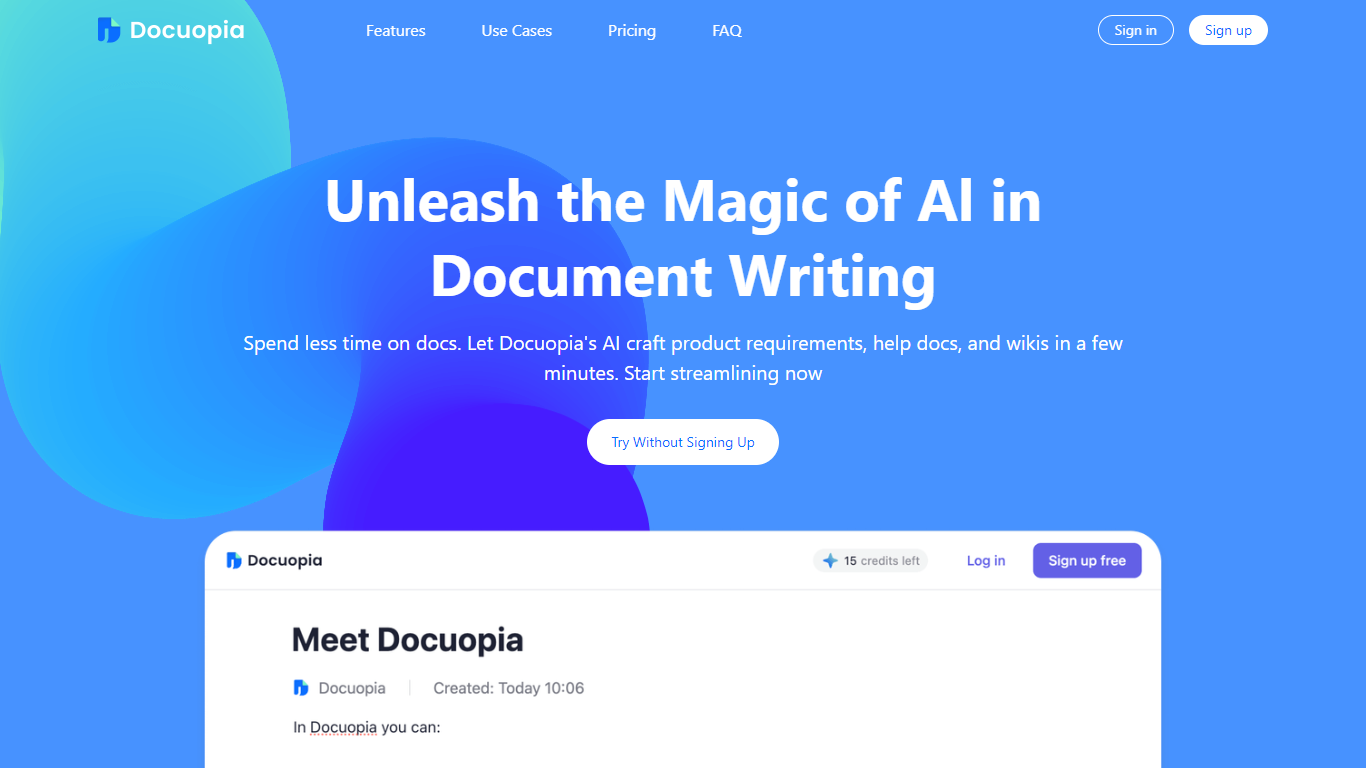

What is Docuopia?
Docuopia enhances document writing by using AI to quickly generate product requirements, help docs, and wikis. It reduces time spent on writing by turning user descriptions into structured documents. The platform supports real-time collaboration and version control, making it easier for teams to manage documents online.
It offers AI-powered editing tools that suggest improvements and help refine content. Users can also create professional diagrams from text prompts, expanding the ways to visualize information. Docuopia caters to individuals and teams with flexible plans, providing storage, AI credits, and priority support for paid users.
Its AI assists in marketing plans, emails, and operational copywriting, helping users create tailored, effective content efficiently.
Web on Demand
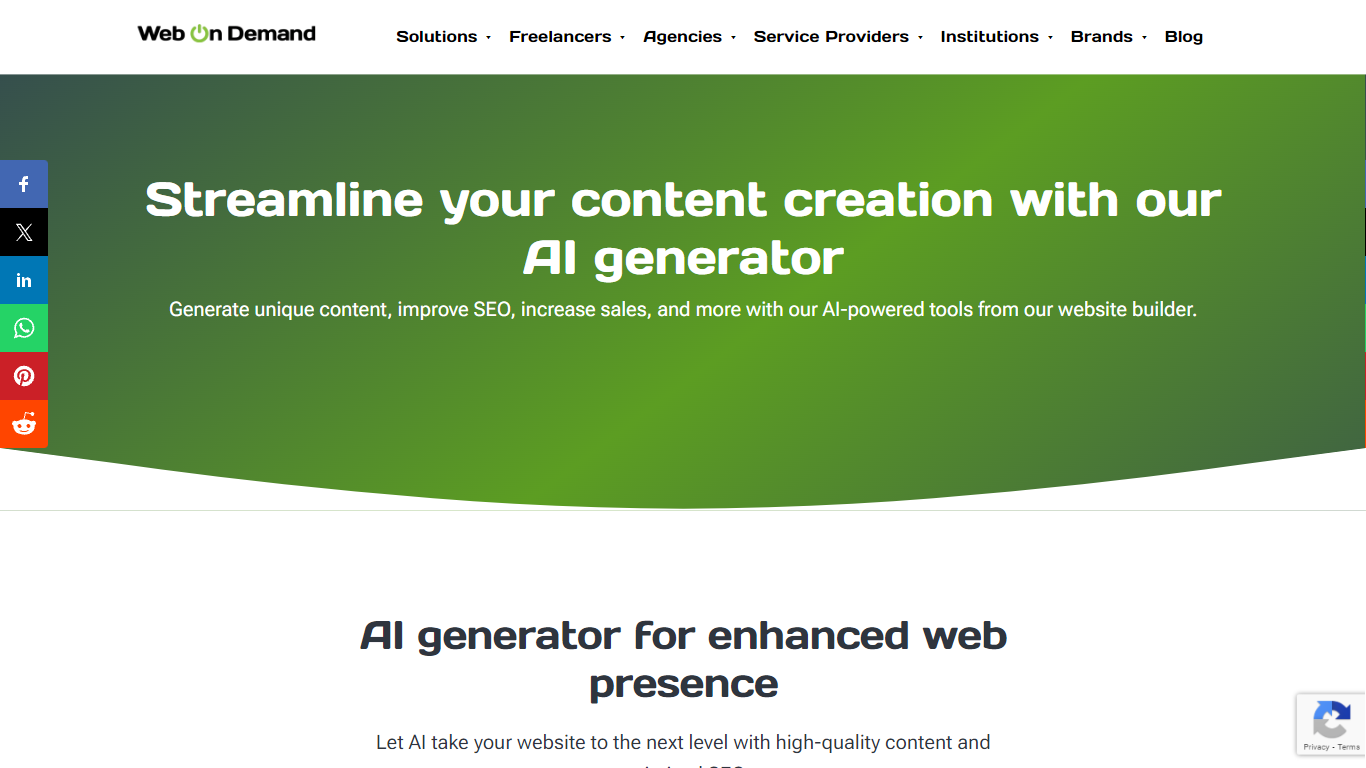
What is Web on Demand?
Web on Demand is a no-code web apps builder for agencies, freelancers, and resellers who need client sites without PHP backends or plugin stacks. It combines drag-and-drop layouts, spreadsheet-style database editing, e-commerce tools, and an AI generator for blogs, product descriptions, and SEO metadata. Sites run on HTML and CSS, and edits happen on the live page through embedded controls instead of a separate admin dashboard.
Where WordPress or Webflow charge monthly subscriptions and hide editing behind a backend, Web on Demand sells one-time licenses starting at $1,000 and lets you click text on the published page to change it. That fits white-label workflows where clients expect to update copy themselves. The trade-off is the upfront license cost and the HTML/CSS skills needed for fully custom layouts.
Freelancers, design studios, and ISP partners use it to ship e-commerce stores, landing pages, and branded website storefronts. The AI generator helps teams draft SEO-friendly blog posts and product copy without hiring a writer for every SKU. Resellers on the Storefront plan can earn a 20% share of client hosting fees sold through their store.
Docuopia Upvotes
Web on Demand Upvotes
Docuopia Top Features
📝 AI-Assisted Drafts: Quickly generate structured product requirement documents from simple problem and feature descriptions.
🔍 Enhance Quality: Get expert AI suggestions to expand, restructure, or refine document sections for better clarity and impact.
🤝 Real-Time Collaboration: Work together online with version control to avoid confusion and track changes easily.
📊 AI-Generated Diagrams: Convert text into professional flowcharts, Gantt charts, and more within seconds.
⌨️ Enhanced Editing: Use keyboard shortcuts and markdown support to speed up document formatting and content insertion.
Web on Demand Top Features
Basic license costs $1,000 as a one-time payment with no recurring platform subscription
AI generator drafts full blog posts from a short prompt and suggests keywords plus meta descriptions from a page title
Edit content on the live site with embedded controls instead of logging into a backend admin panel
Import e-commerce inventory from Google Sheets or Microsoft Excel in one click
Supports 64 languages with LTR and RTL layouts on published sites
Hosting runs on AWS with HTTPS encryption included on every business plan
Docuopia Category
- Web Apps
Web on Demand Category
- Web Apps
Docuopia Pricing Type
- Freemium
Web on Demand Pricing Type
- Paid