Dragonfly vs Koxy AI
When comparing Dragonfly vs Koxy AI, which AI Web Apps tool shines brighter? We look at pricing, alternatives, upvotes, features, reviews, and more.
In a comparison between Dragonfly and Koxy AI, which one comes out on top?
When we put Dragonfly and Koxy AI side by side, both being AI-powered web apps tools, Both tools are equally favored, as indicated by the identical upvote count. Your vote matters! Help us decide the winner among aitools.fyi users by casting your vote.
You don't agree with the result? Cast your vote to help us decide!
Dragonfly
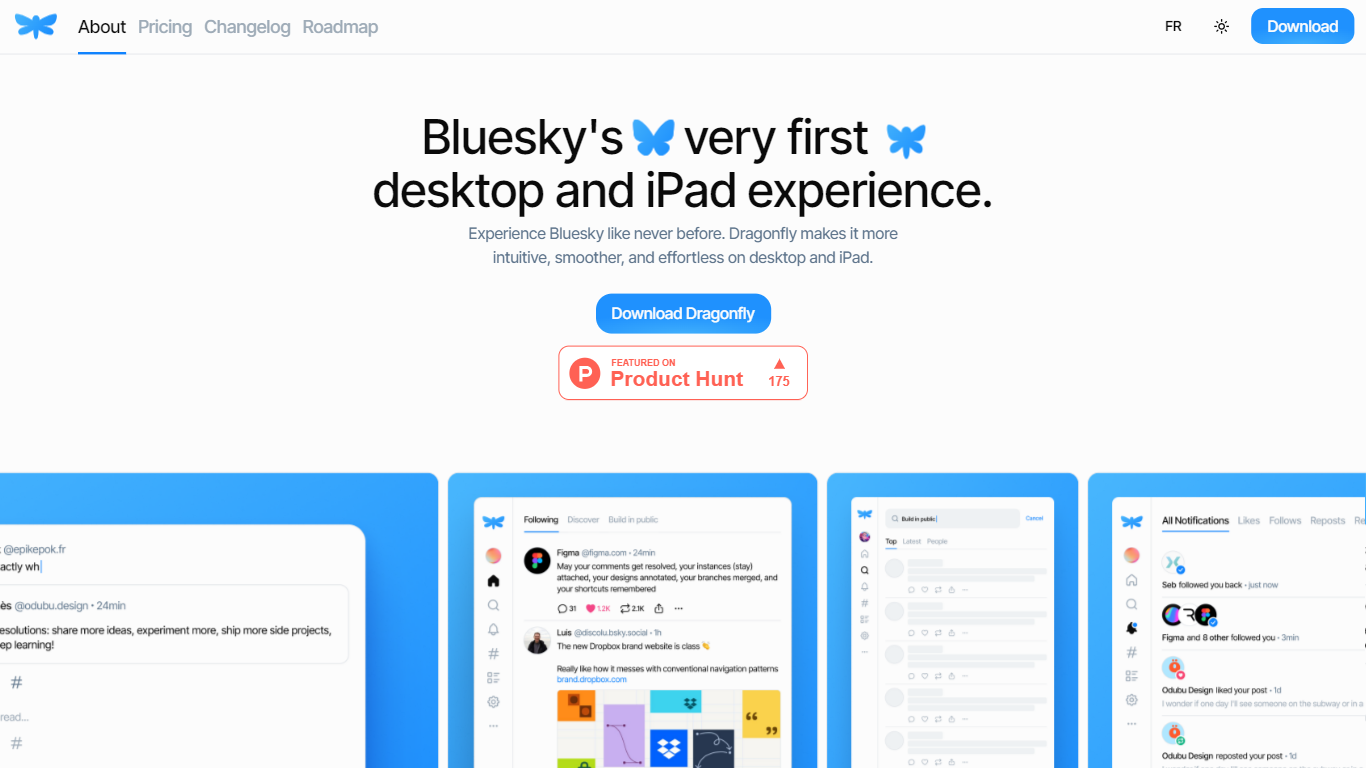

What is Dragonfly?
Dragonfly is a desktop and iPad client for Bluesky, built to make the social network feel smoother and more at home on Apple hardware. It is the first dedicated desktop and tablet experience for Bluesky, with a timeline, posting tools, and account controls wrapped in a native-style interface.
S?bastien Gruhier and In?s Gruhier, a father-daughter team behind Async Development and Odubu Design, built Dragonfly in Flutter after years of mobile game and app work. The app focuses on a cleaner reading and writing flow than browsing Bluesky in a web tab.
Dragonfly targets Bluesky users who want a focused Mac or iPad app with push notifications, theme switching, and roadmap features like synced bookmarks, custom feeds, and chat. Windows, Linux, iPhone, and Android versions are listed as coming soon on the site.
Koxy AI
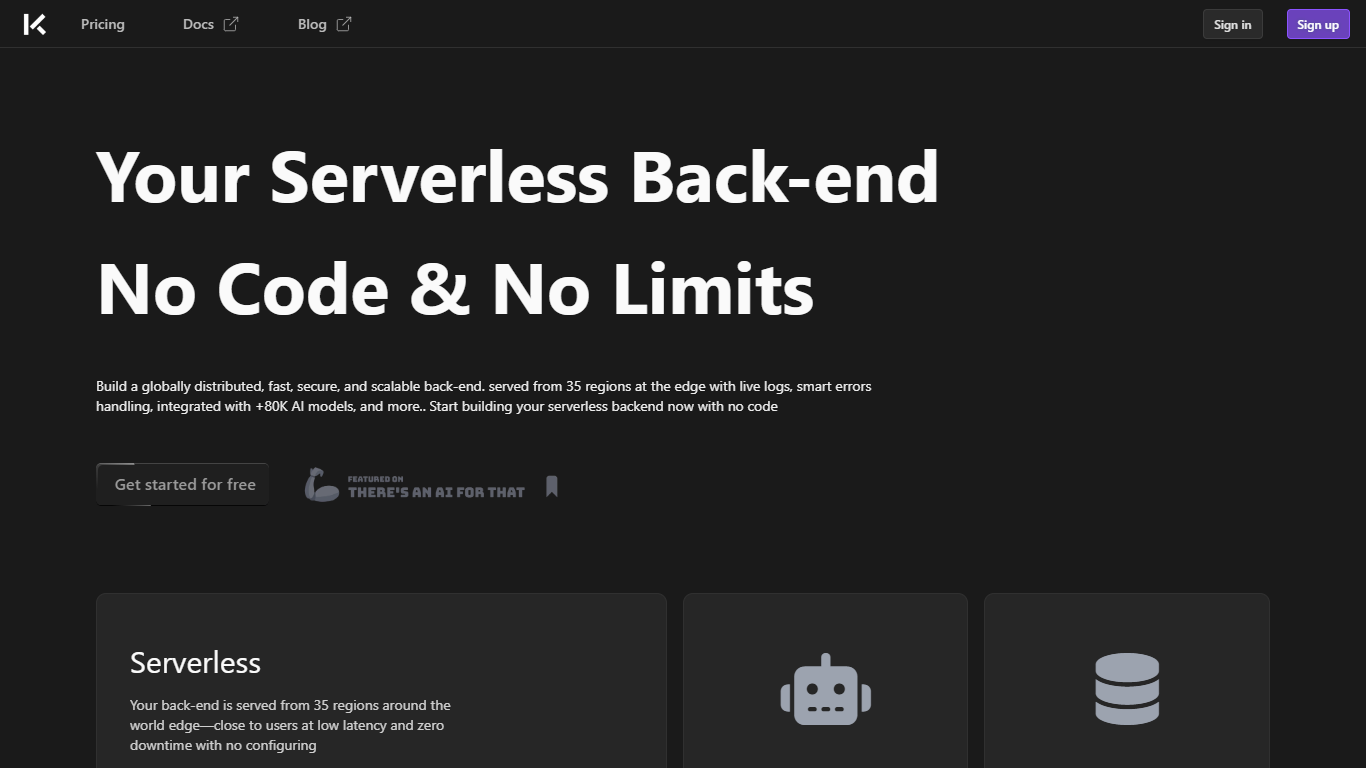
What is Koxy AI?
Koxy AI is a no-code platform for building serverless backends that run at the edge. You design API flows in a visual builder, connect them to a built-in database and real-time channels, and deploy without managing servers or infrastructure.
The platform serves backends from 35 regions worldwide and includes a drag-and-drop flow editor, custom JavaScript cloud functions, and access to more than 80,000 Hugging Face models inside your API logic. Koxy Database is a globally distributed NoSQL store with relational data support, and real-time sync runs with no usage caps on paid tiers.
Koxy AI targets frontend developers and small teams who want a fast path from prototype to production API. It ships with a REST API, the Koxy JS npm library, live request logs, environment variables, and team collaboration inside a Cloudspace workspace.
The project is built by the Multi Neon team under founder Kais Radwan and runs on open-source foundations including Deno, Supabase, Gun DB, HuggingFace, and FoundationDB.
Dragonfly Upvotes
Koxy AI Upvotes
Dragonfly Top Features
Read your Bluesky timeline and trending posts on Mac or iPad
Like, repost, and quote posts without leaving the app
Push notifications when someone interacts with your account
Switch between light and dark themes at any time
Compose threads and posts in a dedicated writing screen
Follow, unfollow, block, and unblock accounts from profile views
Drafts and bookmarks for saving posts and unfinished writing
Koxy AI Top Features
Deploy API flows to 35 edge regions with zero server configuration
Wire 80,000+ Hugging Face models into flows with no extra integration fees
Build backends in a drag-and-drop editor with HTTP nodes and conditional logic
Run custom JavaScript as cloud functions close to your users
Store and query data in Koxy Database with relational support built in
Sync data in real time across clients with unlimited connections on every plan
Inspect every API run with live logs, warnings, and error details
Dragonfly Category
- Web Apps
Koxy AI Category
- Web Apps
Dragonfly Pricing Type
- Paid
Koxy AI Pricing Type
- Freemium