Dragonfly vs Shuttle
In the contest of Dragonfly vs Shuttle, which AI Web Apps tool is the champion? We evaluate pricing, alternatives, upvotes, features, reviews, and more.
If you had to choose between Dragonfly and Shuttle, which one would you go for?
When we examine Dragonfly and Shuttle, both of which are AI-enabled web apps tools, what unique characteristics do we discover? Both tools have received the same number of upvotes from aitools.fyi users. You can help us determine the winner by casting your vote and tipping the scales in favor of one of the tools.
Don't agree with the result? Cast your vote and be a part of the decision-making process!
Dragonfly
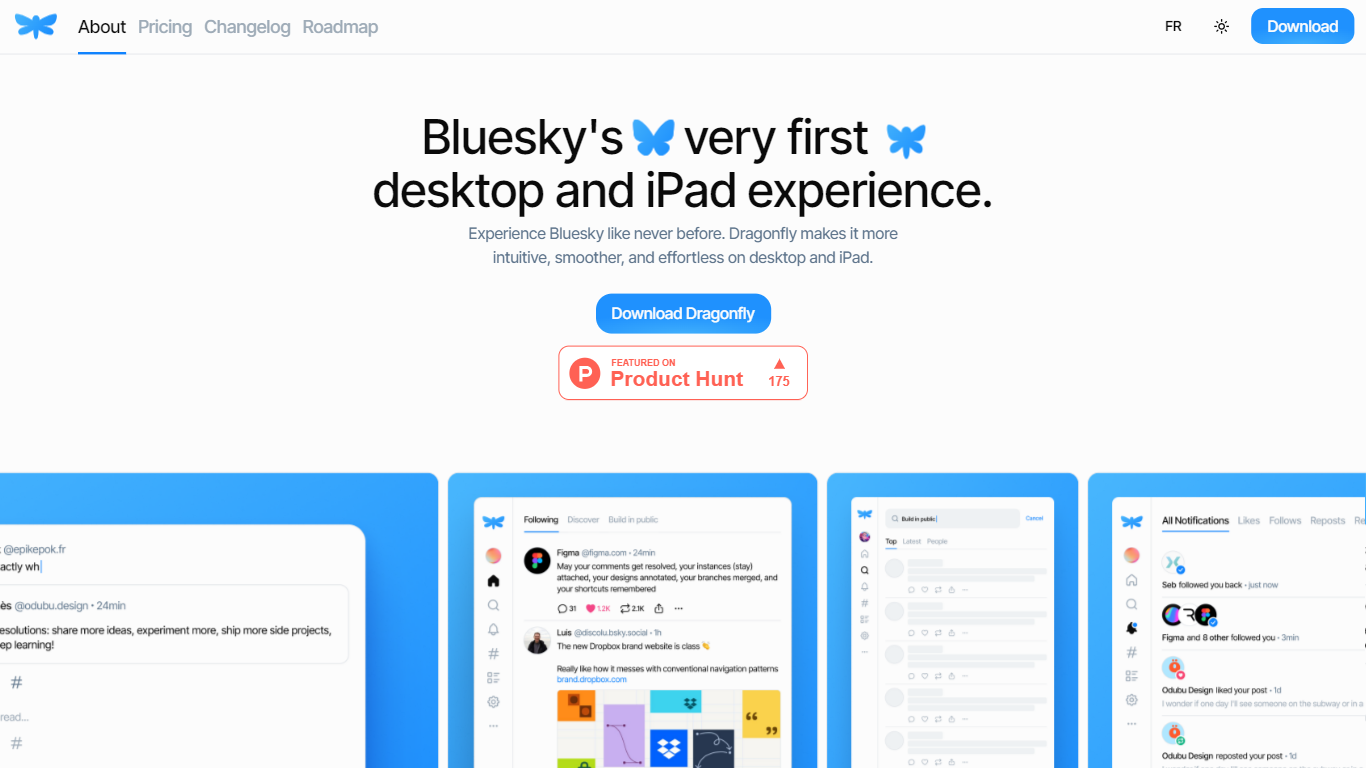

What is Dragonfly?
Dragonfly is a desktop and iPad client for Bluesky, built to make the social network feel smoother and more at home on Apple hardware. It is the first dedicated desktop and tablet experience for Bluesky, with a timeline, posting tools, and account controls wrapped in a native-style interface.
S?bastien Gruhier and In?s Gruhier, a father-daughter team behind Async Development and Odubu Design, built Dragonfly in Flutter after years of mobile game and app work. The app focuses on a cleaner reading and writing flow than browsing Bluesky in a web tab.
Dragonfly targets Bluesky users who want a focused Mac or iPad app with push notifications, theme switching, and roadmap features like synced bookmarks, custom feeds, and chat. Windows, Linux, iPhone, and Android versions are listed as coming soon on the site.
Shuttle
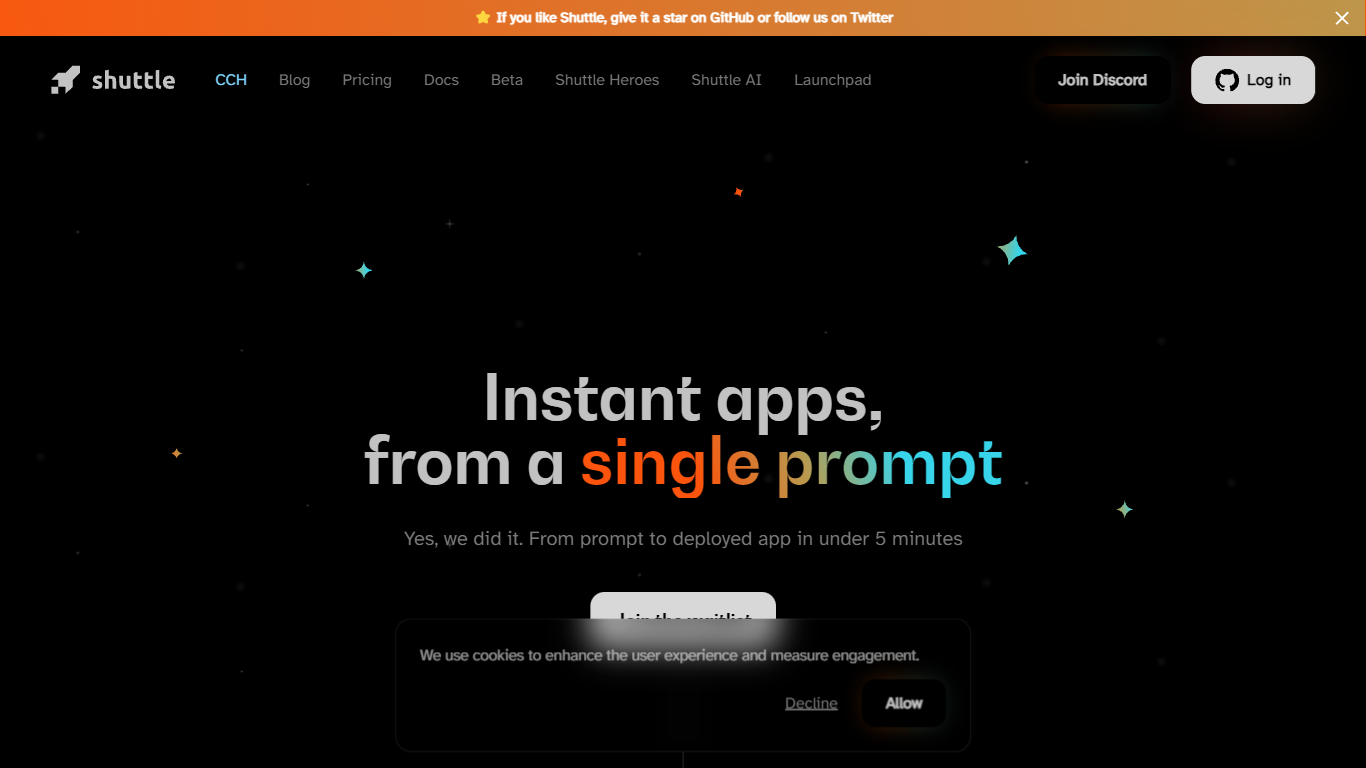
What is Shuttle?
Shuttle deploys Rust backends to AWS from a single shuttle deploy command, provisioning Postgres databases, secrets, and storage through Rust macros instead of Terraform files. Its Shuttle AI beta turns a text prompt into a deployed app in under five minutes for builders who want code without manual infra setup.
Generic PaaS hosts make you wire databases and secrets yourself. Shuttle's infrastructure-from-code macros attach resources as function arguments, and the CLI rebuilds with cache so redeploys stay fast. Pro plans start at $20 per month with reserved instances, while the free Community tier covers learning and small side projects.
Rust developers shipping Axum, Actix, or Rocket APIs use Shuttle to skip AWS console work. Teams on the $250 per month Growth tier get horizontal scaling, zero-downtime deploys, and up to 10 collaborators, with 6,900+ GitHub stars backing the open-source runtime.
Dragonfly Upvotes
Shuttle Upvotes
Dragonfly Top Features
Read your Bluesky timeline and trending posts on Mac or iPad
Like, repost, and quote posts without leaving the app
Push notifications when someone interacts with your account
Switch between light and dark themes at any time
Compose threads and posts in a dedicated writing screen
Follow, unfollow, block, and unblock accounts from profile views
Drafts and bookmarks for saving posts and unfinished writing
Shuttle Top Features
Deploy Rust apps with one
shuttle deploycommand to AWS in LondonPostgres databases and secrets provisioned via Rust macros in code
Community tier free for learning with paid Pro from $20 per month
Shuttle AI beta deploys apps from a single prompt in under 5 minutes
Supports Axum, Actix Web, Rocket, Serenity, and other Rust frameworks
Growth tier at $250 per month adds horizontal scaling and zero-downtime deploys
Dragonfly Category
- Web Apps
Shuttle Category
- Web Apps
Dragonfly Pricing Type
- Paid
Shuttle Pricing Type
- Freemium