GradeLab vs Cheat Layer
When comparing GradeLab vs Cheat Layer, which AI Automation tool shines brighter? We look at pricing, alternatives, upvotes, features, reviews, and more.
In a comparison between GradeLab and Cheat Layer, which one comes out on top?
When we put GradeLab and Cheat Layer side by side, both being AI-powered automation tools, With more upvotes, Cheat Layer is the preferred choice. Cheat Layer has garnered 9 upvotes, and GradeLab has garnered 6 upvotes.
Don't agree with the result? Cast your vote and be a part of the decision-making process!
GradeLab

What is GradeLab?
GradeLab is an assessment platform built for schools, universities, coaching centers, and government exam bodies that need to grade handwritten and digital exams faster without giving up teacher control. Upload scanned answer sheets or run online tests, and the system applies your rubrics to score essays, math, diagrams, and mixed-format papers while flagging anything that needs a human review.
What sets it apart is the focus on real exam workflows: OCR trained on student handwriting across 30+ languages, on-screen marking for distributed examiners, question generation from PDFs, LaTeX exam paper formatting, and REST APIs for LMS and EdTech integrations. Institutions can deploy on-premise so exam data stays inside their network.
GradeLab targets K-12 schools, higher-ed departments, test-prep centers, corporate training teams, and public-sector assessment programs that process large paper volumes and want consistent grading with analytics parents and administrators can actually read.
Cheat Layer
What is Cheat Layer?
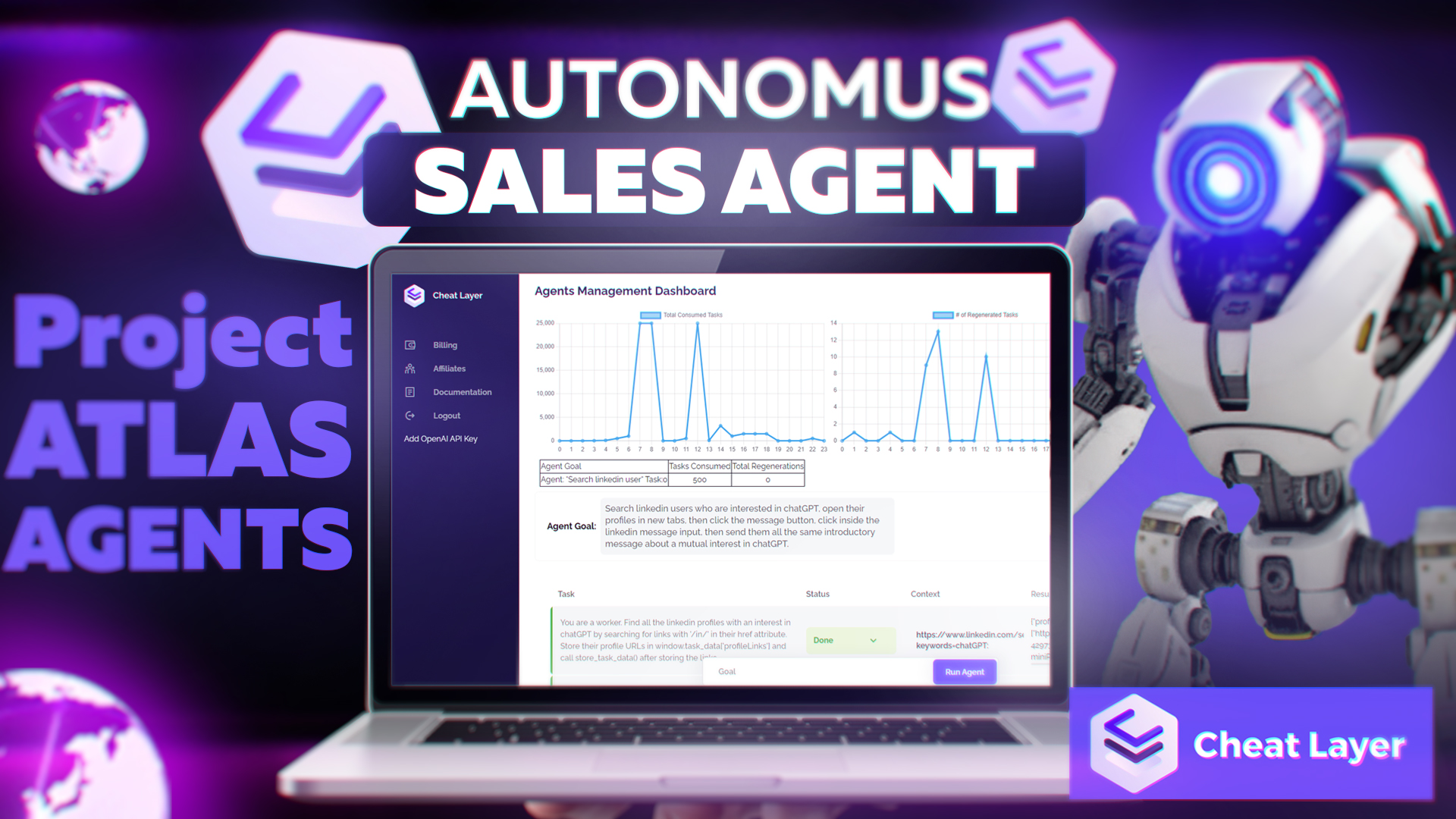
Cheat Layer deploys cloud marketing and sales agents that automate browser tasks, content generation, and lead outreach from plain English commands. Its Project Atlas framework builds end-to-end automations through conversation, and the Atlas-1 model targets UI elements in a way the company claims survives future website design changes better than traditional RPA tools.
Most no-code automation tools rely on brittle CSS selectors that break when a site redesigns. Cheat Layer positions Atlas-1 as trained specifically for the hardest automation problems, including targeting strategies it compares to UiPath and Microsoft Power Automate. Agents handle SEO blog generation, social reply automation, YouTube and TikTok content repurposing, and personalized email outreach with reported reply rates up to 12%.
Solo founders, marketers, and small businesses use Cheat Layer to replace repetitive virtual assistant work. The platform runs desktop and browser automations on Mac, Windows, and Linux, exports workflows as Chrome extensions or desktop apps, and includes voice agents that trigger custom desktop automations via email, SMS, and phone.
GradeLab Upvotes
Cheat Layer Upvotes
GradeLab Top Features
Grade 200 handwritten exams in under 30 minutes with 99%+ OCR accuracy
Handles essays, math, diagrams, and MCQs across 30+ languages including Arabic and Chinese
Teachers override any AI score with one click and add comments before release
Generate MCQs, short answers, and essay prompts from uploaded PDFs or text
Build LaTeX-formatted exam papers with complex math notation and export to PDF
REST API grades up to 500 submissions per batch with webhooks and sandbox keys
On-premise deployment keeps exam data inside your institution with zero cloud dependency
Cheat Layer Top Features
Project Atlas builds automations from plain English conversation end to end
Atlas-1 model targets UI elements to survive future website design changes
Marketing agents automate content generation, posting, and A/B testing across social platforms
Sales agents qualify leads with email, SMS, and embedded voice agents at up to 12% reply rates
Desktop and browser automations exportable as Chrome extensions or sellable desktop apps
200 cloud agents per day on the base server with additional servers at $3 per day
GradeLab Category
- Automation
Cheat Layer Category
- Automation
GradeLab Pricing Type
- Paid
Cheat Layer Pricing Type
- Paid