Velos (formerly GradientJ) vs Stellaris AI
In the clash of Velos (formerly GradientJ) vs Stellaris AI, which AI Large Language Model (LLM) tool emerges victorious? We assess reviews, pricing, alternatives, features, upvotes, and more.
When we put Velos (formerly GradientJ) and Stellaris AI head to head, which one emerges as the victor?
Let's take a closer look at Velos (formerly GradientJ) and Stellaris AI, both of which are AI-driven large language model (llm) tools, and see what sets them apart. Neither tool takes the lead, as they both have the same upvote count. The power is in your hands! Cast your vote and have a say in deciding the winner.
You don't agree with the result? Cast your vote to help us decide!
Velos (formerly GradientJ)
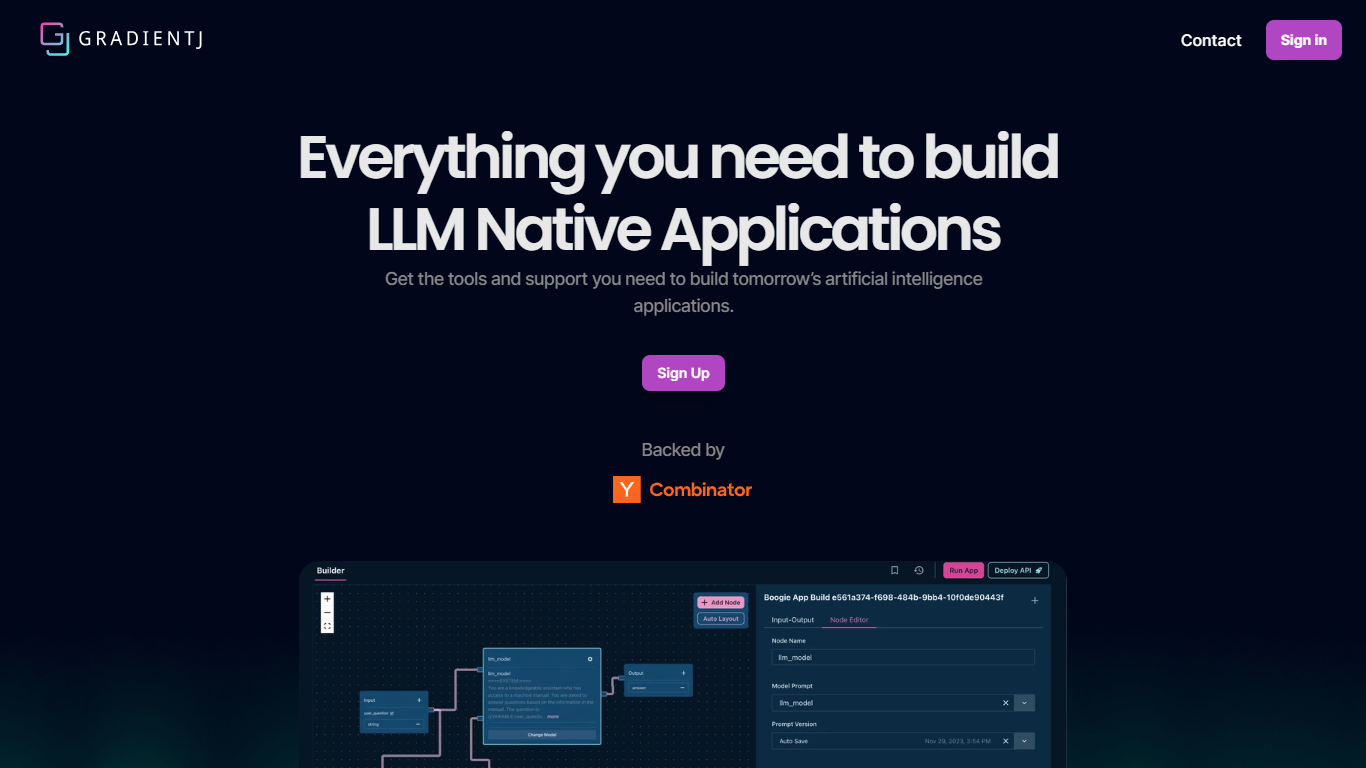

What is Velos (formerly GradientJ)?
Velos is a managed automation platform for back-office teams that want to replace outsourced manual work with software. It targets insurance carriers, MGAs, and finance operations that still rely on BPOs or internal staff for document-heavy workflows like bordereaux, policy servicing, and month-end close.
The company learns your process rules, tests against your real data, and turns recurring work into auditable workflows that combine code with large language models. Velos handles design, deployment, and ongoing management so teams get faster turnaround without adding headcount every time volume spikes.
It is built for organizations handling sensitive, high-volume operations where accuracy matters. Customers include commercial insurance teams, private equity firms, and fractional CFO shops looking to automate multi-hour processes that used to require offshore teams or manual spreadsheets.
Stellaris AI
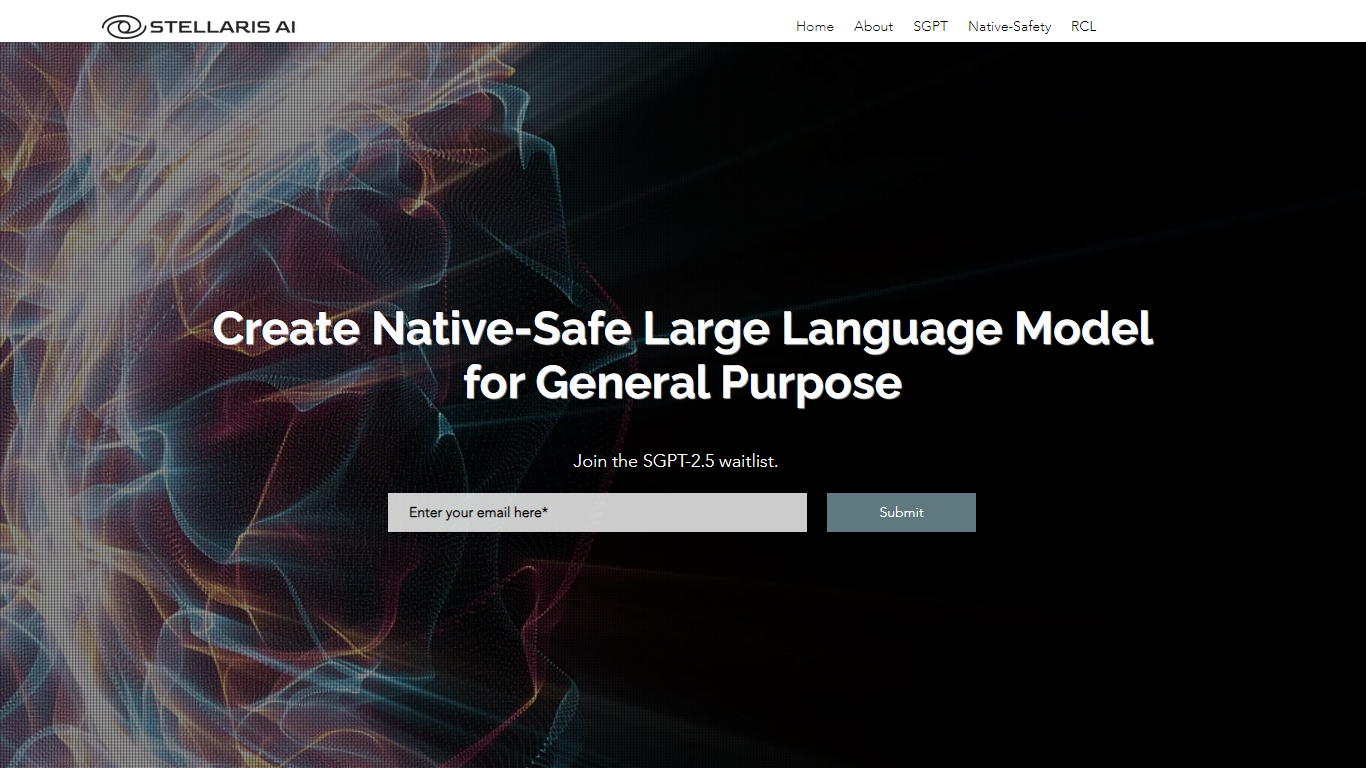
What is Stellaris AI?
Stellaris AI builds large language models marketed around native safety and human-like reasoning for real-world tasks. Its flagship SGPT line targets text and code generation, knowledge Q&A, logical reasoning, and analytics at a scale the company describes as hundreds of billions of parameters. The public site centers on a waitlist for SGPT-4.5 rather than a self-serve chat product you can open today.
Where many LLM labs bolt safety filters on after training, Stellaris AI frames safety as part of the model stack through strict source referencing and harm minimization in the architecture. It also highlights Real-time Context Learning (RCL) for adapting answers with live knowledge, a combination aimed at teams that want cited outputs instead of unchecked generation.
Researchers, enterprise AI teams, and early adopters join the SGPT-4.5 waitlist for first access. The company cites 10+ years of research and three core product pillars: Stellaris GPT, Native Safety, and RCL.
Velos (formerly GradientJ) Upvotes
Stellaris AI Upvotes
Velos (formerly GradientJ) Top Features
Turns your SOPs into auditable workflows that mix code with large language models
Automates bordereaux, policy servicing, premium reconciliation, and month-end close
Tests automations against your real data and learns your edge cases before going live
Underwriting support that extracts, enriches, and flags submissions before they reach an underwriter
Post-bind policy checking that catches rating errors and compliance gaps early
Real-time visibility into every workflow outcome and exception as work runs
Stellaris AI Top Features
SGPT models described at 100B+ parameters for text, code, and reasoning tasks
Native Safety framework with strict source referencing and harm minimization
Real-time Context Learning (RCL) for live knowledge integration
Three product pillars: Stellaris GPT, Native Safety, and RCL
SGPT-4.5 waitlist open for early access signups on the homepage
Velos (formerly GradientJ) Category
- Large Language Model (LLM)
Stellaris AI Category
- Large Language Model (LLM)
Velos (formerly GradientJ) Pricing Type
- Paid
Stellaris AI Pricing Type
- Freemium