Kimi.ai vs Kin AI
Explore the showdown between Kimi.ai vs Kin AI and find out which AI Companion tool wins. We analyze upvotes, features, reviews, pricing, alternatives, and more.
When comparing Kimi.ai and Kin AI, which one rises above the other?
When we contrast Kimi.ai with Kin AI, both of which are exceptional AI-operated companion tools, and place them side by side, we can spot several crucial similarities and divergences. Kin AI is the clear winner in terms of upvotes. Kin AI has garnered 9 upvotes, and Kimi.ai has garnered 6 upvotes.
Feeling rebellious? Cast your vote and shake things up!
Kimi.ai
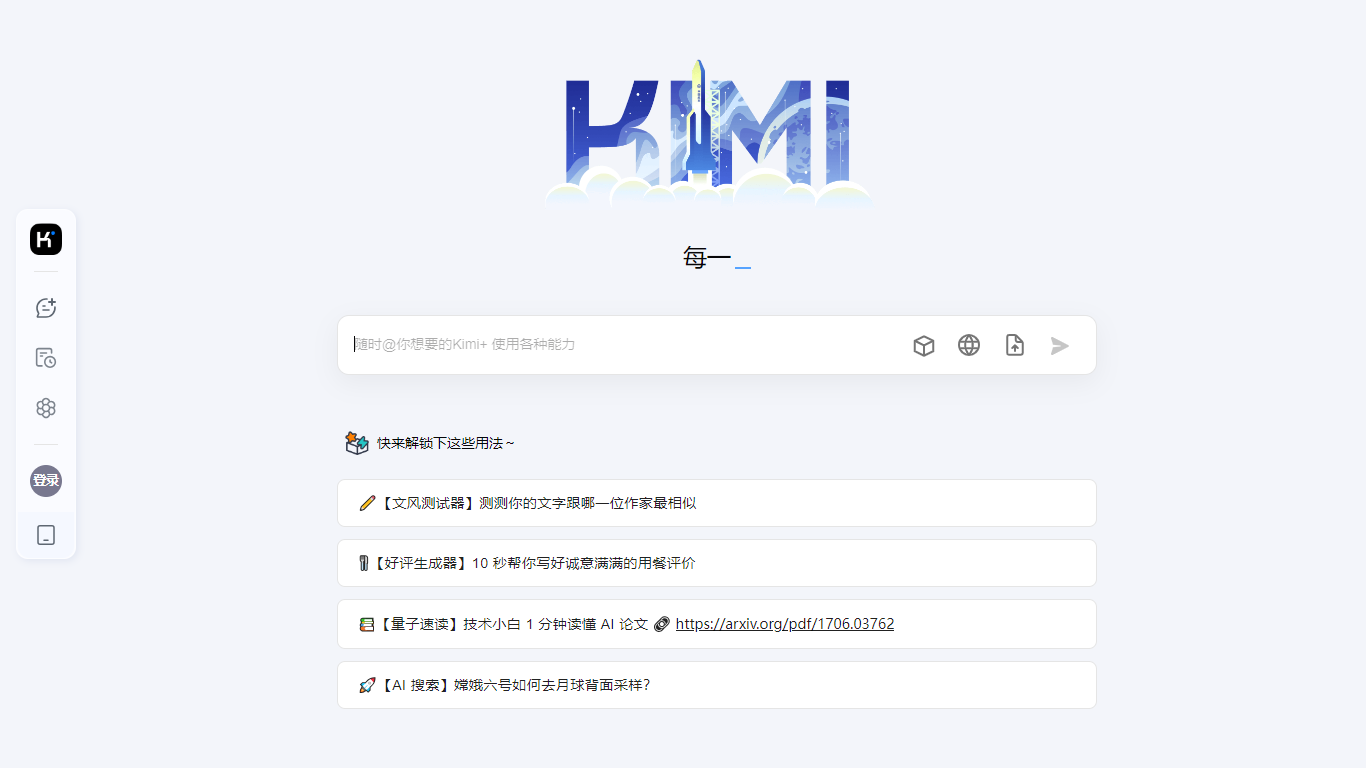

What is Kimi.ai ?
Kimi is Moonshot AI's conversational assistant built around the K3 model, designed for agentic coding and knowledge work. You can chat, delegate multi-step tasks to specialized agents, and generate slides, documents, spreadsheets, and even playable games from a single prompt.
The platform spans a web app, a desktop agent called Kimi Work, and Kimi Code, a CLI that drops into terminal and IDE workflows. Agent modes include Swarm for parallel tasks, Deep Research for investigation, and dedicated tools for slides, websites, docs, and sheets.
Kimi Work extends the assistant to your desktop with local file access, browser automation through WebBridge, scheduled cron tasks, and built-in market data for A-shares, Hong Kong, and US equities. Kimi Code targets developers with up to 1 million context tokens, shell command execution, and subagent support for parallel coding tasks.
Kin AI

What is Kin AI?
Kin AI puts five persistent AI advisors in your pocket for work, relationships, values, energy, and social confidence, with memory that carries across sessions. Structured Sessions, voice check-ins, proactive Insights, and a guided Journal sit on top of a local-first memory engine with encrypted sync. Kin cites 60,000+ installs, 5 million messages exchanged, and a 4.8 App Store rating on mykin.ai.
Most companion apps reset every session. Kin stores semantic and episodic memory locally with encrypted sync, which means sessions, journal entries, and voice chats build on what it already knows about your patterns and relationships. That local-first setup is the trade-off it sells against cloud-only assistants that treat every prompt like a first meeting.
Founders, operators, and people juggling personal and professional decisions use Kin for structured Sessions, voice check-ins, proactive Insights, and guided journaling. Pricing runs through the mobile app stores rather than a public web page, and the marketing site emphasizes privacy ownership over feature checklists. The company lists Denmark as headquarters in its entity data.
Kimi.ai Upvotes
Kin AI Upvotes
Kimi.ai Top Features
K3 model with up to 1 million context tokens for long documents and codebases
Agent Swarm coordinates parallel agents for complex multi-step tasks
Kimi Code CLI installs in terminal and IDE with shell and web search tools
Kimi Work desktop agent automates local files, cron tasks, and browser actions
Built-in modes for slides, deep research, websites, docs, and spreadsheets
Kin AI Top Features
Five advisor personas cover work, relationships, values, body energy, and social confidence
Local-first semantic and episodic memory keeps context between sessions
Structured Sessions guide daily prep, decisions, and stuck-point conversations
Voice mode supports spoken advisor conversations outside text chat
Insights surface recurring themes and blind spots proactively
Guided Journal entries build on prior history instead of blank pages
Encrypted sync lets you choose what to share while data stays on your device
Kimi.ai Category
- Companion
Kin AI Category
- Companion
Kimi.ai Pricing Type
- Freemium
Kin AI Pricing Type
- Freemium