Lexica vs Midjourney
In the contest of Lexica vs Midjourney, which AI Image Generation Model tool is the champion? We evaluate pricing, alternatives, upvotes, features, reviews, and more.
If you had to choose between Lexica and Midjourney, which one would you go for?
When we examine Lexica and Midjourney, both of which are AI-enabled image generation model tools, what unique characteristics do we discover? The users have made their preference clear, Midjourney leads in upvotes. The number of upvotes for Midjourney stands at 11, and for Lexica it's 6.
Don't agree with the result? Cast your vote and be a part of the decision-making process!
Lexica

What is Lexica?
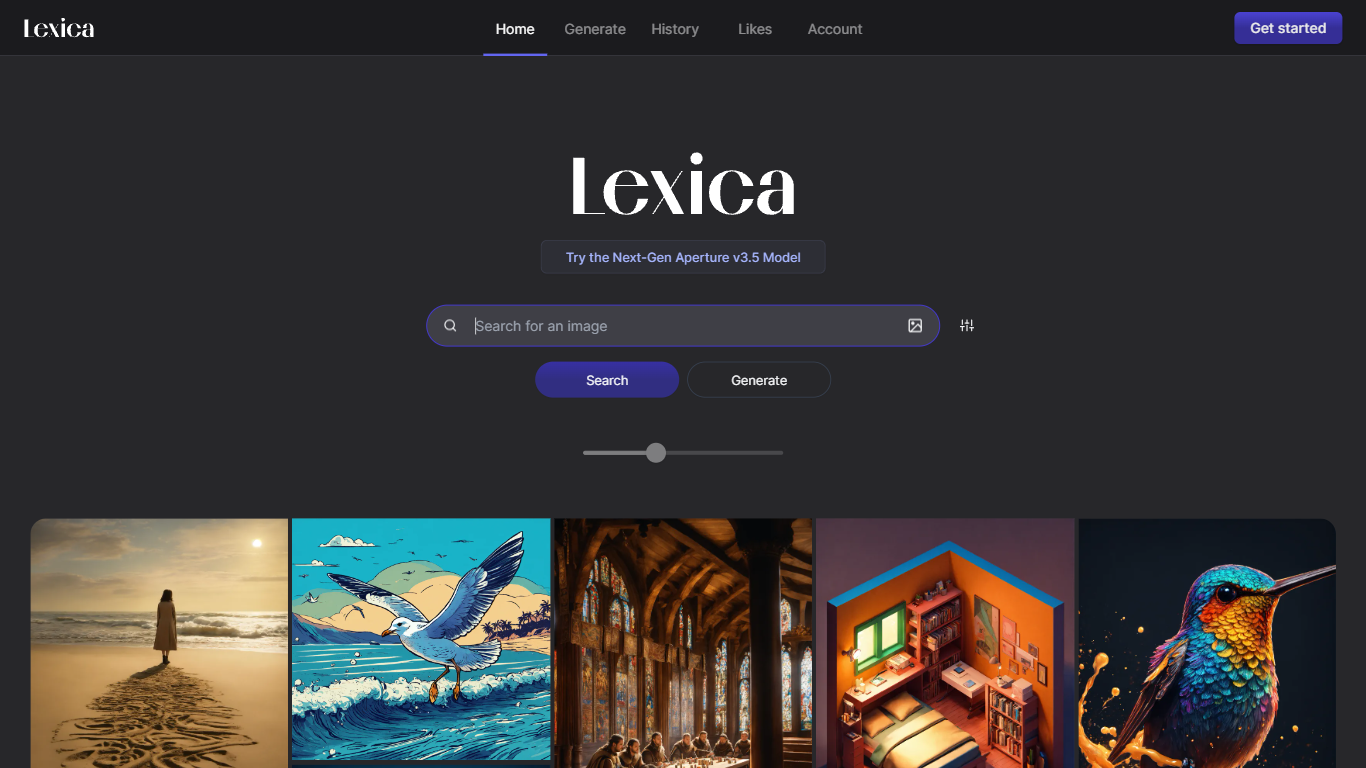
Lexica lets you search a massive gallery of AI-generated art, inspect the prompts behind each image, and create new visuals with its Lexica Aperture model. The Generate workspace defaults to 960 by 1440 output, and every prompt submission spends four image credits before results appear.
Unlike general chat tools that bolt on image buttons, Lexica built its reputation as a prompt search engine first. You can reverse-engineer styles from existing images, then move into Aperture generation with fast and slow queues, custom aspect ratios, and optional image uploads. Starter and Pro images stay public in search; only the Max plan keeps generations private by default.
Artists, designers, marketers, and hobbyists use Lexica to explore visual ideas and produce commercial-ready assets under plan-specific licenses. Paid plans are required to generate images because Lexica does not offer a free tier, though subscribers can buy extra fast generations at $0.05 each when monthly limits run out.
Midjourney
What is Midjourney?
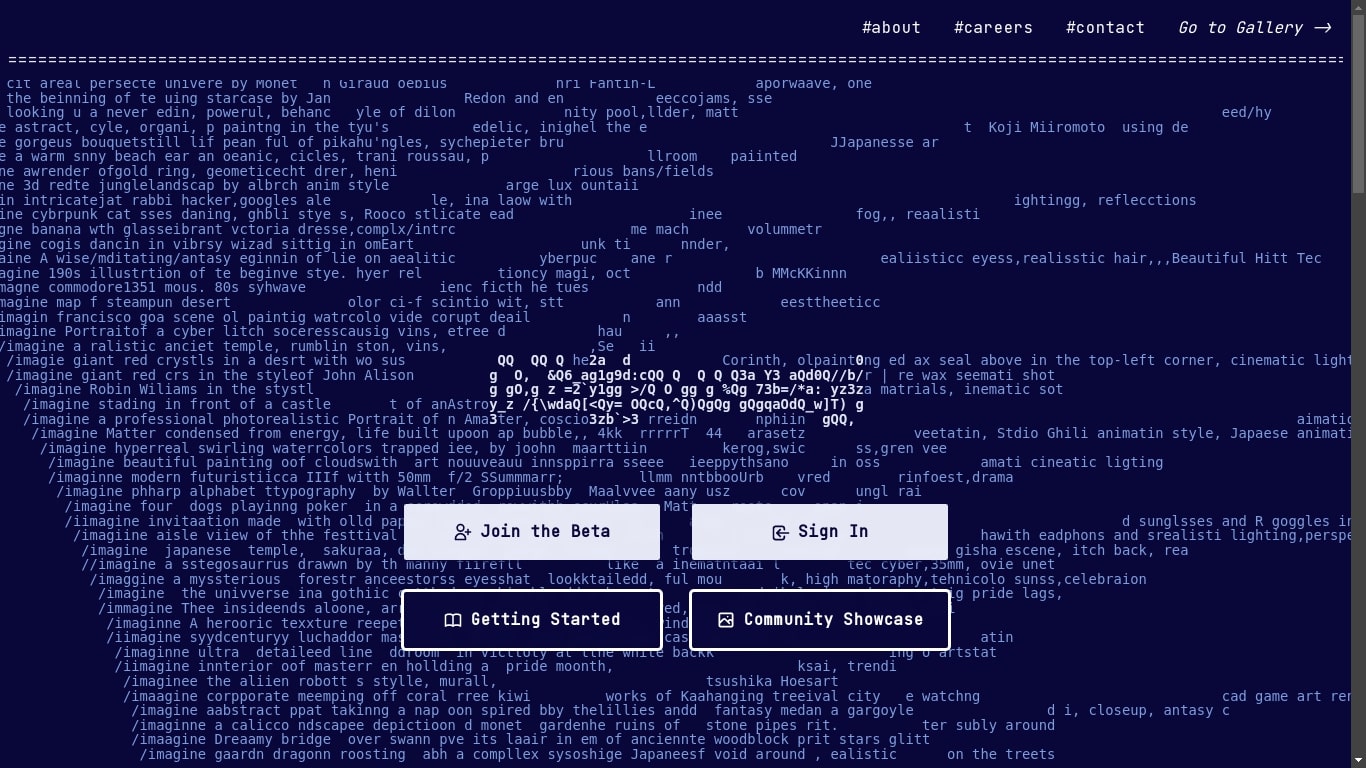
Midjourney is an image and video generation model you use through the midjourney.com web app, with community galleries on Explore and support routed through Discord. Version 8.2 is the current release, and the careers site describes ongoing work on both creative models and separate research projects.
Compared with general-purpose image APIs, Midjourney sells aesthetic control and community curation rather than raw throughput alone. Paid tiers add Relax mode for unlimited slower generations, Stealth mode to keep work private on Pro and Mega, and tiered Fast GPU hour pools that refresh monthly.
The company calls itself a community-funded research lab of about 60 people, with offices in San Francisco, London, and New York. It targets artists, designers, marketers, and hobbyists who want stylized images and short videos without running their own GPU stack.
Lexica Upvotes
Midjourney Upvotes
Lexica Top Features
Lexica Aperture generates images at a default 960 by 1440 resolution
Each prompt submission uses 4 image generation credits across all plans
Starter plan includes 1,000 fast generations per month for $8 billed annually
Pro plan adds 3,000 fast generations, unlimited slow queue access, and full commercial license for $24 per month
Max plan provides 7,000 fast generations and private images that stay out of Lexica search
Buy extra fast generations at $0.05 each without expiration while your subscription stays active
Search engine lets you browse public images and study the prompts that created them
Midjourney Top Features
Model version 8.2 supports image and video generation through the midjourney.com web app
Basic plan includes 3.3 hours of Fast GPU time per month for $10
Standard, Pro, and Mega plans include unlimited Relax mode image generation
Pro and Mega add Stealth mode to keep images and videos private from public galleries
Explore page filters community images and videos by aspect ratio and stylization settings
Extra Fast GPU time costs $4 per hour on every subscription tier
Lexica Category
- Image Generation Model
Midjourney Category
- Image Generation Model
Lexica Pricing Type
- Paid
Midjourney Pricing Type
- Freemium