Linguana vs Opus
In the battle of Linguana vs Opus, which AI Web Apps tool comes out on top? We compare reviews, pricing, alternatives, upvotes, features, and more.
Between Linguana and Opus, which one is superior?
Upon comparing Linguana with Opus, which are both AI-powered web apps tools, The upvote count reveals a draw, with both tools earning the same number of upvotes. Join the aitools.fyi users in deciding the winner by casting your vote.
Disagree with the result? Upvote your favorite tool and help it win!
Linguana
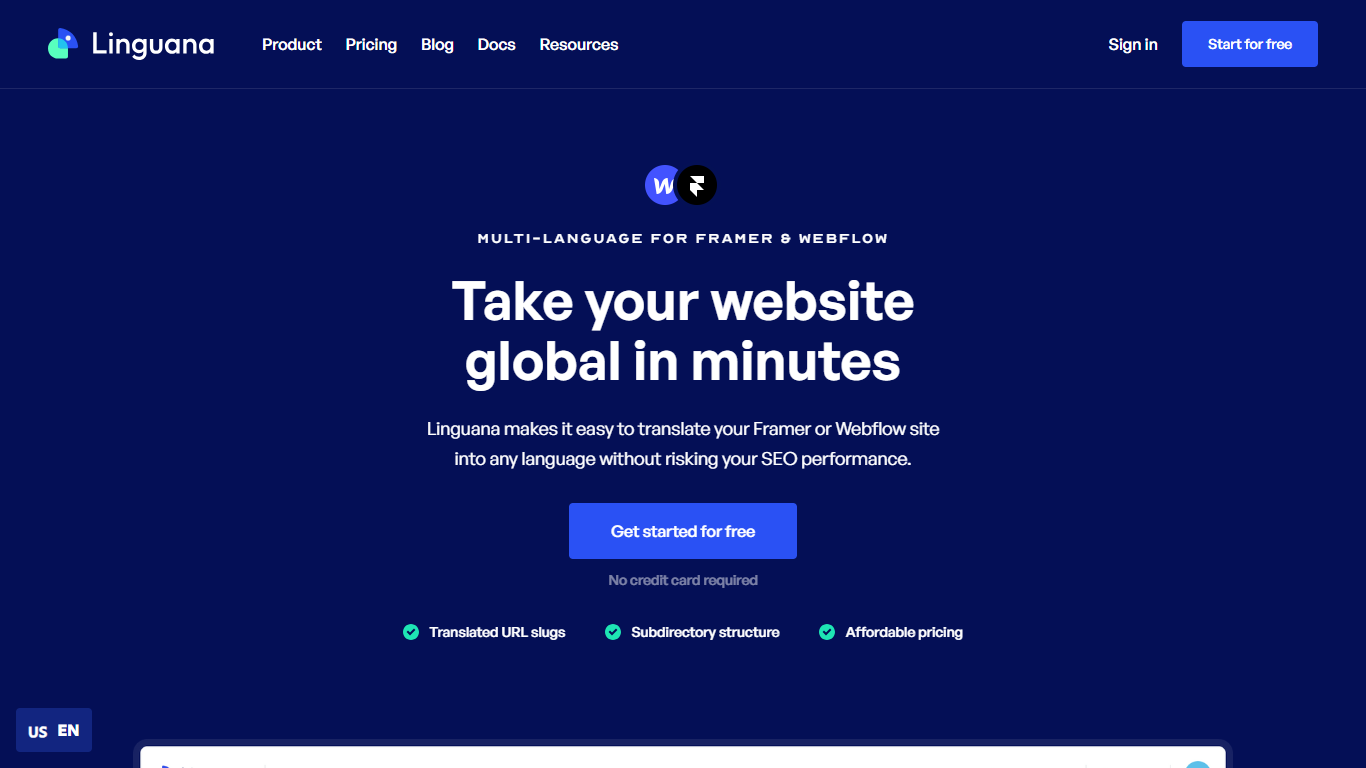

What is Linguana?
Linguana is a website translation platform from CodeConda that helps you publish your site in 100+ languages while keeping international SEO intact. Connect your site, let its parser detect content, then translate manually or fill fields with automatic translations. No code is required to get started, and a free tier is available without a credit card.
What sets Linguana apart is its focus on multilingual SEO mechanics. It supports translated URL slugs, subdirectory structures, custom domains, and hidden metadata like page titles, OpenGraph tags, and alt text. Translated pages are cached and served from its CDN rather than duplicated on your origin server.
Webflow and Framer agencies are a core audience, but Linguana also ships dedicated workflows for Carrd, Wix, WordPress, and Kajabi. Over 800 companies and agencies use it, including teams that switched from tools like Weglot for clearer pricing and more control over when translations update.
Opus

What is Opus?
Opus turns written stories into playable 3D scenes through text-to-video style computational production. You write scenes, characters, and dialogue in plain English, and Opus NLP extracts structure without a special scripting syntax, then builds lighting, terrain, buildings, roads, humanoid characters, and animations from that text.
Compared with traditional CGI pipelines that need separate teams for assets, lighting, and animation, Opus advertises original content at one-tenth the cost with faster turnaround. The platform targets creators who want worlds to render from words instead of manually modeling every shot in desktop production software.
Gamers, artists, musicians, storytellers, and performers use Opus to prototype interactive worlds, digitize performances, and publish immersive experiences. The public site offers early access enrollment and a demo watch flow rather than self-serve subscription pricing.
Linguana Upvotes
Opus Upvotes
Linguana Top Features
Publish translated pages at SEO-friendly subfolder paths like /es and /de
Translate URL slugs so search engines index pages in the visitor's language
Auto-translate site content with Google Cloud neural translation plus in-house algorithms
Edit any translation manually in the dashboard without buying extra AI credits
Dedicated setup flows for Webflow, Framer, Carrd, Wix, WordPress, and Kajabi
Opus Top Features
NLP parses literary English with no special syntax required
Text-to-video computational production for scenes, assets, dialogue, and VFX
Lighting, camera control, terrain, flora, buildings, and roads generated from text
Humanoid characters and animations included in the production pipeline
Advertises original content at one-tenth traditional production cost
Supports gamers, storytellers, artists, musicians, and performers on one canvas
Early access program with separate youth and professional governance seats
Linguana Category
- Web Apps
Opus Category
- Web Apps
Linguana Pricing Type
- Freemium
Opus Pricing Type
- Paid