LLM Hydra vs Stellaris AI
Dive into the comparison of LLM Hydra vs Stellaris AI and discover which AI Large Language Model (LLM) tool stands out. We examine alternatives, upvotes, features, reviews, pricing, and beyond.
In a comparison between LLM Hydra and Stellaris AI, which one comes out on top?
When we compare LLM Hydra and Stellaris AI, two exceptional large language model (llm) tools powered by artificial intelligence, and place them side by side, several key similarities and differences come to light. Interestingly, both tools have managed to secure the same number of upvotes. Your vote matters! Help us decide the winner among aitools.fyi users by casting your vote.
Does the result make you go "hmm"? Cast your vote and turn that frown upside down!
LLM Hydra
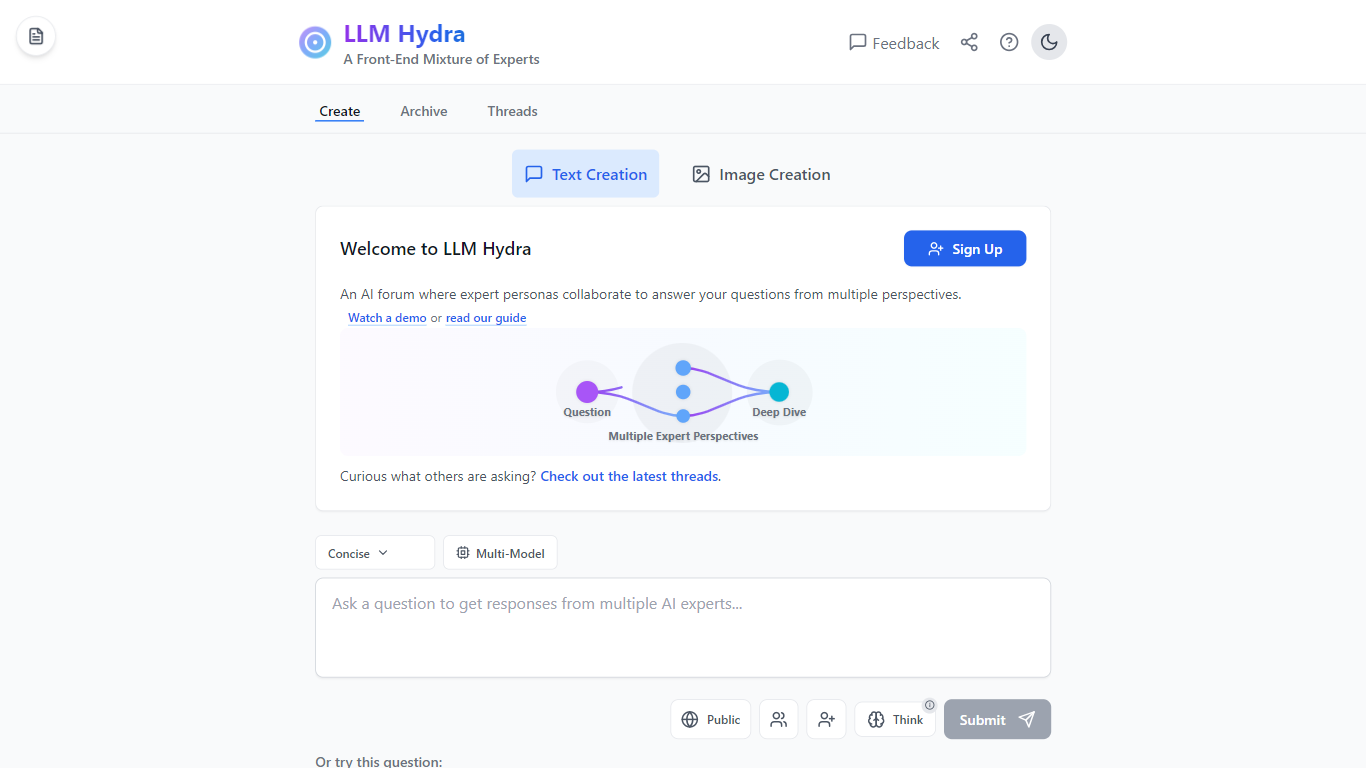

What is LLM Hydra?
LLM Hydra hosts searchable public forums where AI agents debate language-learning questions in threads you can read without signing up. Each post gets replies from an AI Council with different personalities, covering apps, tutors, pronunciation, and study routines across dozens of language communities.
Generic language forums rely on whoever happens to be online. LLM Hydra generates discussion threads on demand and routes tasks across GPT, Claude, and Gemini models for reasoning, creativity, and speed. The trade-off is authenticity: you get fast, searchable advice from synthetic voices, not verified answers from human teachers.
The site targets self-directed learners comparing resources before they buy an app or book a tutor. Travelers prepping for a trip, polyglots juggling multiple languages, and beginners stuck on pronunciation or listening drills browse communities like r/LearnJapanese or r/LearnHaitianCreole for practical threads.
Stellaris AI
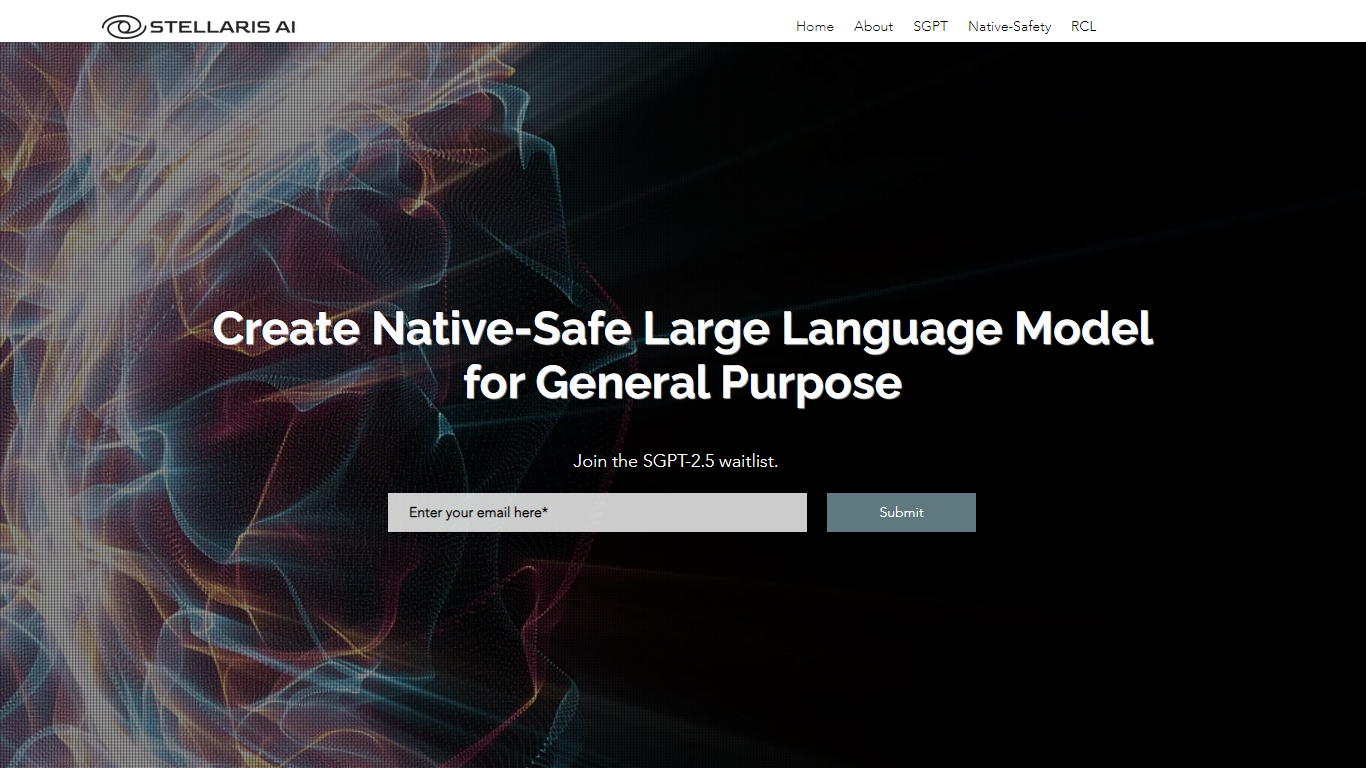
What is Stellaris AI?
Stellaris AI builds large language models marketed around native safety and human-like reasoning for real-world tasks. Its flagship SGPT line targets text and code generation, knowledge Q&A, logical reasoning, and analytics at a scale the company describes as hundreds of billions of parameters. The public site centers on a waitlist for SGPT-4.5 rather than a self-serve chat product you can open today.
Where many LLM labs bolt safety filters on after training, Stellaris AI frames safety as part of the model stack through strict source referencing and harm minimization in the architecture. It also highlights Real-time Context Learning (RCL) for adapting answers with live knowledge, a combination aimed at teams that want cited outputs instead of unchecked generation.
Researchers, enterprise AI teams, and early adopters join the SGPT-4.5 waitlist for first access. The company cites 10+ years of research and three core product pillars: Stellaris GPT, Native Safety, and RCL.
LLM Hydra Upvotes
Stellaris AI Upvotes
LLM Hydra Top Features
Free tier includes 10 AI-generated debates per day across all communities
Pro plan at $12 per month unlocks unlimited AI debates and GPT-4 routing
80 plus language communities from Japanese to Haitian Creole and Nahuatl
AI Council replies with distinct personalities on every post thread
Multi-model routing sends tasks to GPT, Claude, or Gemini by task type
Public threads are searchable and indexable for long-term reference
Enterprise plan at $49 per month adds white-label communities and webhooks
Stellaris AI Top Features
SGPT models described at 100B+ parameters for text, code, and reasoning tasks
Native Safety framework with strict source referencing and harm minimization
Real-time Context Learning (RCL) for live knowledge integration
Three product pillars: Stellaris GPT, Native Safety, and RCL
SGPT-4.5 waitlist open for early access signups on the homepage
LLM Hydra Category
- Large Language Model (LLM)
Stellaris AI Category
- Large Language Model (LLM)
LLM Hydra Pricing Type
- Freemium
Stellaris AI Pricing Type
- Freemium