Moshi AI vs MusicTGA-HR
In the battle of Moshi AI vs MusicTGA-HR, which AI Audio Generation tool comes out on top? We compare reviews, pricing, alternatives, upvotes, features, and more.
Between Moshi AI and MusicTGA-HR, which one is superior?
Upon comparing Moshi AI with MusicTGA-HR, which are both AI-powered audio generation tools, Interestingly, both tools have managed to secure the same number of upvotes. Since other aitools.fyi users could decide the winner, the ball is in your court now to cast your vote and help us determine the winner.
Does the result make you go "hmm"? Cast your vote and turn that frown upside down!
Moshi AI
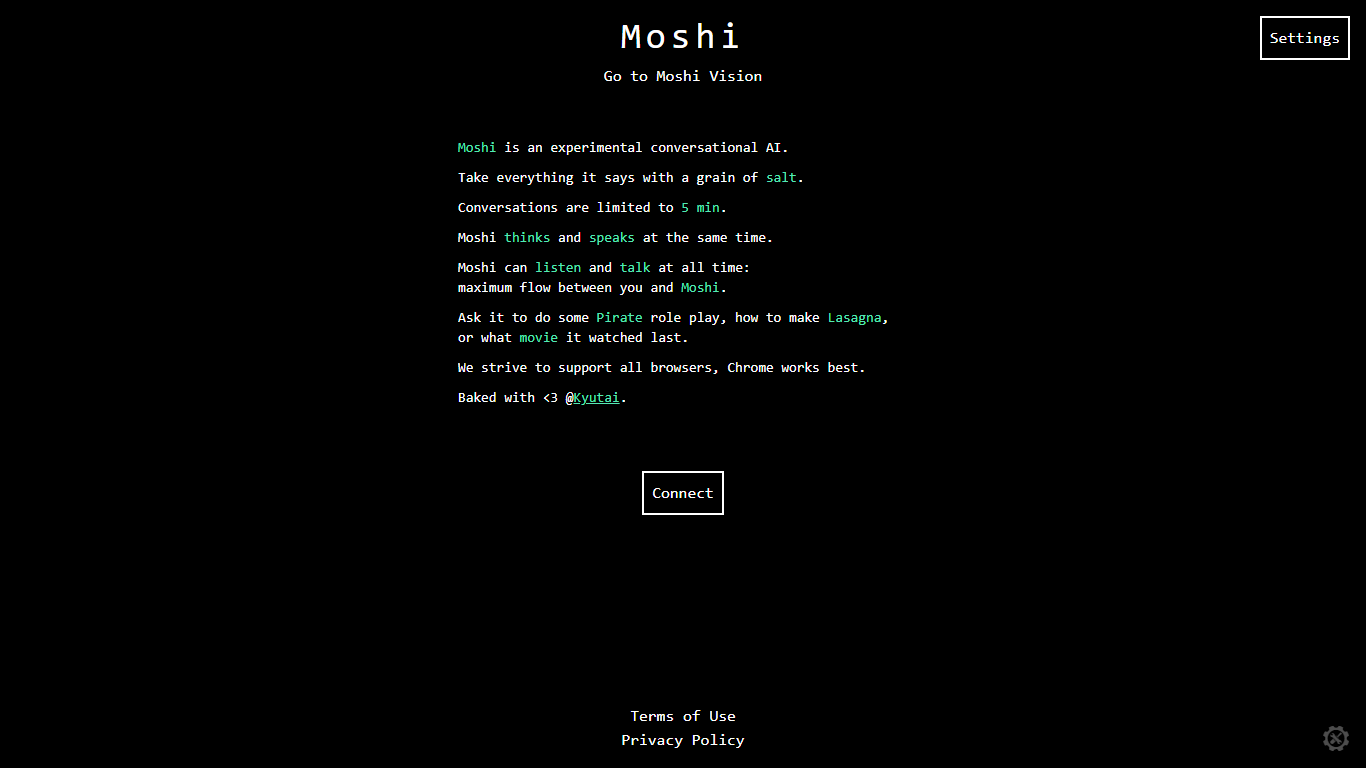

What is Moshi AI?
Moshi AI is a speech-native conversational model from Kyutai, a Paris-based open-science research lab. Instead of chaining speech recognition, text generation, and text-to-speech, Moshi processes audio directly and holds full-duplex voice conversations with minimal latency.
Its multi-stream design runs separate channels for the user, Moshi's spoken output, and an Inner Monologue text stream that improves coherence. That setup lets Moshi listen and talk at the same time, handle overlaps, interruptions, and backchanneling like a real conversation rather than rigid speaker turns.
Moshi is built on Helium, a 7B language model, and Mimi, Kyutai's neural audio codec. Weights and inference code ship for PyTorch, Rust, and MLX, and you can try it in the browser at moshi-chat.kyutai.org. Researchers, voice AI developers, and anyone building real-time spoken interfaces will find the most value here.
MusicTGA-HR
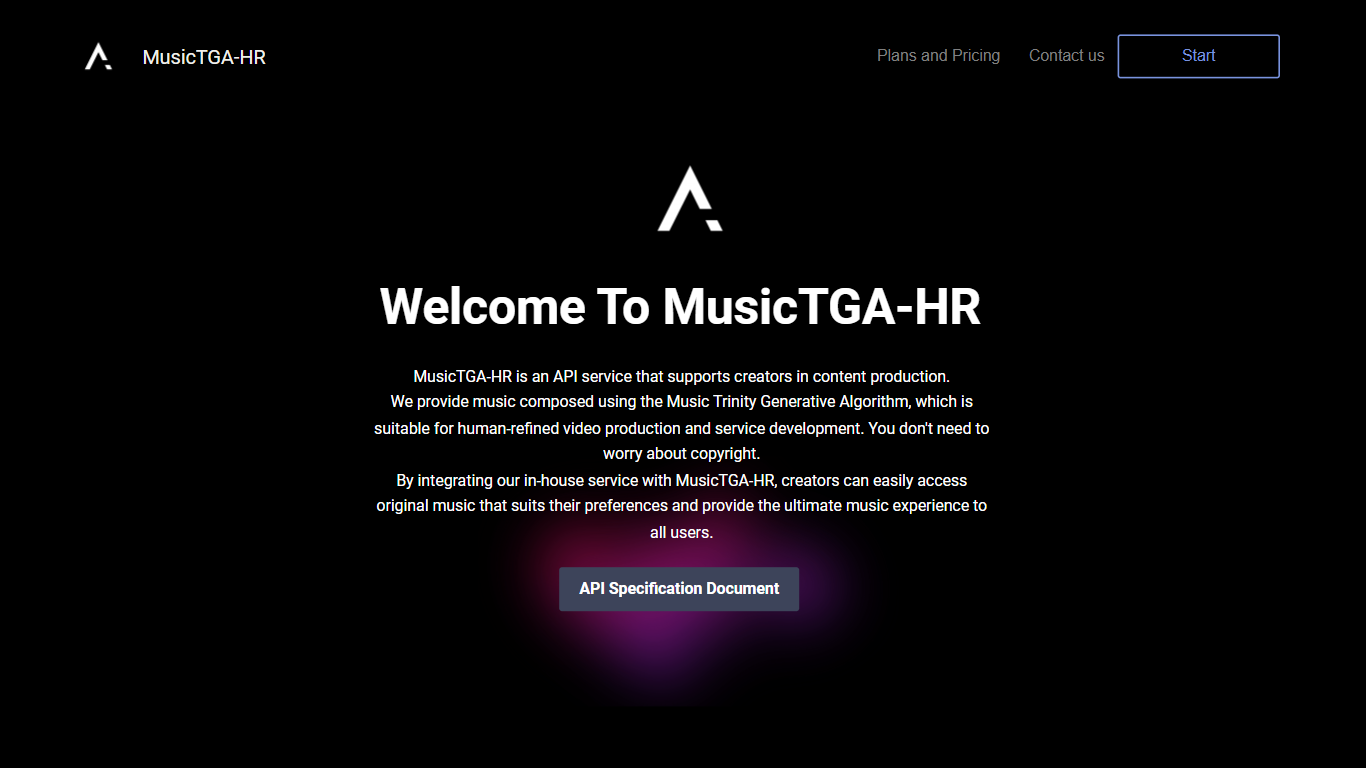
What is MusicTGA-HR?
MusicTGA-HR is Amadeus Code's audio infrastructure API for teams building music AI products. It ships rights-cleared datasets with full mixes, six stem groups, multitrack audio, multitrack MIDI, and human-annotated metadata at 24-bit/48 kHz WAV quality. Developers query the catalog through REST endpoints or MCP with NeuroSync semantic search by mood, genre, BPM, or instruments.
Most public music datasets are noisy, rights-unclear, or missing stems and MIDI in one package. MusicTGA-HR targets that gap with a human-in-the-loop pipeline: semantic analysis, music-theory scoring, and musician review before tracks enter the API. Roland is listed as a trusted partner on the product page.
Generative AI labs, source-separation researchers, and BGM streaming products use it for training data, PoC trials, and production retrieval. Access is sales-led through dataset packages or API integration rather than a self-serve consumer app.
Moshi AI Upvotes
MusicTGA-HR Upvotes
Moshi AI Top Features
Processes speech directly without a text pipeline in the middle
Listens and talks simultaneously with overlap and interruption support
Inner Monologue text stream improves speech quality and reasoning
Runs real-time on an L4 GPU or M3 MacBook Pro via the Mimi codec
Open weights on Hugging Face with PyTorch, Rust, and MLX inference code
MusicTGA-HR Top Features
10,000+ human-designed music classification categories with expert mood and energy tags
24-bit/48 kHz WAV full mixes plus six stem groups and multitrack MIDI per track
NeuroSync semantic search maps text queries to mood, instrumentation, and tempo matches
REST API and free MCP token for Claude, Cursor, and other MCP clients
Rights-cleared catalog cleared for commercial training, product integration, and research
Human-in-the-loop QA from musicians before audio enters the dataset
Moshi AI Category
- Audio Generation
MusicTGA-HR Category
- Audio Generation
Moshi AI Pricing Type
- Free
MusicTGA-HR Pricing Type
- Paid