OnAPI vs Starlens
Dive into the comparison of OnAPI vs Starlens and discover which AI Developer tool stands out. We examine alternatives, upvotes, features, reviews, pricing, and beyond.
When comparing OnAPI and Starlens, which one rises above the other?
When we compare OnAPI and Starlens, two exceptional developer tools powered by artificial intelligence, and place them side by side, several key similarities and differences come to light. The upvote count reveals a draw, with both tools earning the same number of upvotes. The power is in your hands! Cast your vote and have a say in deciding the winner.
Feeling rebellious? Cast your vote and shake things up!
OnAPI

What is OnAPI?
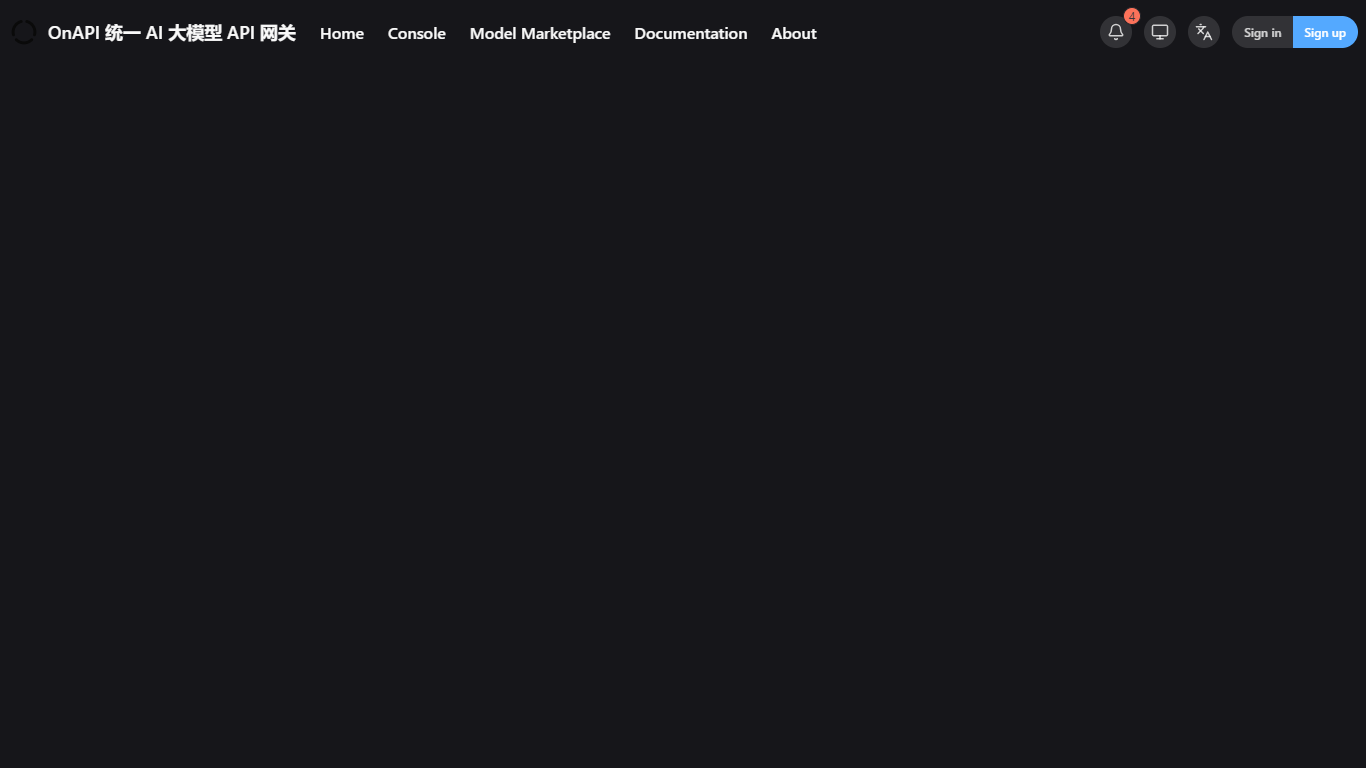
OnAPI is a unified API gateway that lets developers call GPT, Claude, Gemini, Sora, Veo, and Google's Nano Banana image model through a single key. Swap your SDK base URL to OnAPI's endpoint, plug in an OnAPI key, and keep the rest of your integration unchanged.
The gateway speaks OpenAI-compatible and Anthropic-compatible protocols, so chat completions, Anthropic messages, streaming, function calling, and long-context requests work without a rewrite. OnAPI says new upstream models typically appear within 24 hours of release.
Two routing channels share the same account. The economy channel bills at a 1:1 rate multiplier for everyday volume. The official channel routes through paid keys tied directly to provider accounts at a 1:7.5 multiplier when you need a straighter path to upstream APIs.
OnAPI is aimed at builders shipping AI products, especially where direct provider billing is inconvenient. Top-ups run through Alipay, WeChat, USDT, and USDC. Account balance does not expire, and the site states there is no minimum spend.
The service runs on the open-source New API project (based on One API), which handles model aggregation and cross-format conversion between provider APIs.
Starlens
What is Starlens?
The website offers a comprehensive platform designed to enhance productivity and streamline workflows for professionals across various industries. Its core functionality revolves around task management, collaboration tools, and performance tracking, making it an essential tool for teams looking to optimize their operations. The target audience includes project managers, team leaders, and organizations seeking to improve efficiency and communication within their teams. The unique value proposition lies in its user-friendly interface combined with powerful features that cater to both small businesses and large enterprises. Key differentiators include real-time collaboration capabilities, customizable dashboards, and integration with popular third-party applications, setting it apart from competitors in the productivity software market.
OnAPI Upvotes
Starlens Upvotes
OnAPI Top Features
One key reaches GPT, Claude, Gemini, Sora 2, Veo, and Nano Banana
OpenAI and Anthropic SDKs work after a base_url swap
Economy channel runs at a 1:1 multiplier, billed pay-as-you-go
Official channel uses direct provider keys at a 1:7.5 multiplier
Streaming, function calling, and long context stay intact
New upstream models added within 24 hours, per OnAPI
Starlens Top Features
Real-Time Collaboration: Enables team members to work together simultaneously on projects, enhancing communication and reducing delays.
Customizable Dashboards: Users can tailor their dashboards to display relevant metrics and tasks, improving focus and efficiency.
Integration with Third-Party Applications: Seamlessly connects with tools like Slack, Google Drive, and Trello, allowing for a unified workflow.
Performance Tracking: Provides analytics and reporting features to monitor team performance and project progress, facilitating data-driven decision-making.
User-Friendly Interface: Designed with simplicity in mind, ensuring that users can navigate the platform easily without extensive training.
OnAPI Category
- Developer
Starlens Category
- Developer
OnAPI Pricing Type
- Paid
Starlens Pricing Type
- Freemium