Open Interpreter vs Tabnine
In the contest of Open Interpreter vs Tabnine, which AI Code Assistant tool is the champion? We evaluate pricing, alternatives, upvotes, features, reviews, and more.
If you had to choose between Open Interpreter and Tabnine, which one would you go for?
When we examine Open Interpreter and Tabnine, both of which are AI-enabled code assistant tools, what unique characteristics do we discover? In the race for upvotes, Open Interpreter takes the trophy. Open Interpreter has been upvoted 6 times by aitools.fyi users, and Tabnine has been upvoted 4 times.
You don't agree with the result? Cast your vote to help us decide!
Open Interpreter
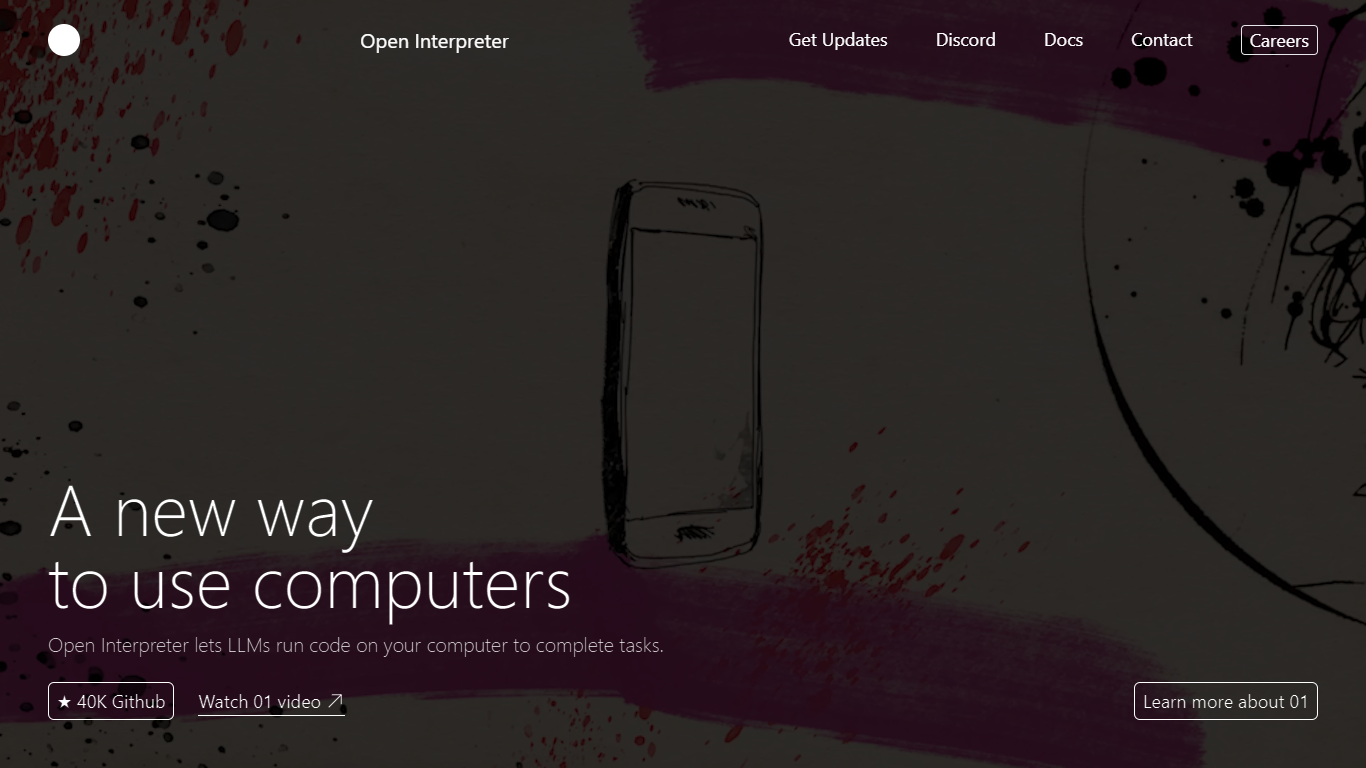

What is Open Interpreter ?
Open Interpreter is an open-source coding agent that runs in your terminal or as a desktop app. Open a project, type interpreter, and it reads your files, edits code, and runs commands with sandbox guardrails. It is built on a fork of OpenAI's Codex CLI and stays provider agnostic, so you can plug in OpenAI, Anthropic, Kimi, Qwen, DeepSeek, or local models.
The project targets low-cost and open-weight models rather than frontier-only agents. Model-specific harnesses emulate the tool interfaces each provider trained on, which the team reports improves benchmark scores on models like Kimi K2.5 and DeepSeek V4 Flash compared to generic agent loops.
Developers get a familiar Codex-style terminal with AGENTS.md support, skills, MCP servers, and session management. The separate desktop app brings the same agent workflow to Word, Excel, PDFs, and the browser for knowledge workers who do not live in a code editor.
Tabnine
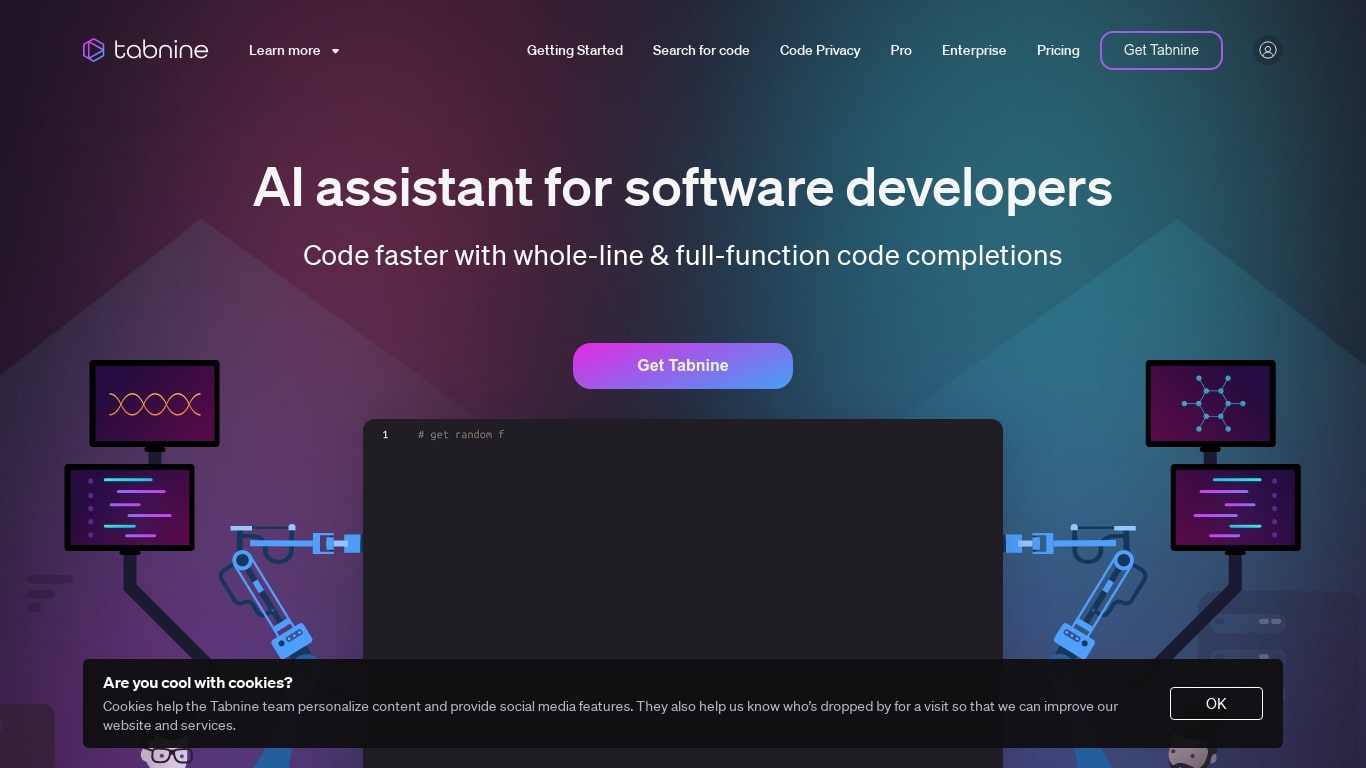
What is Tabnine?
Tabnine is a code assistant that runs inside your IDE with inline completions, multi-line function suggestions, and chat grounded in your repository context. It connects to GitHub, GitLab, Bitbucket, or Perforce so suggestions reflect your architecture instead of generic public code patterns. Teams can deploy it as SaaS, in a VPC, on-premises, or fully air-gapped with zero code retention policies.
Most coding copilots optimize for speed on public repos, while Tabnine sells enterprise control: centralized governance, provenance tracking, SSO, and model choice across OpenAI, Anthropic, Google, Meta, and Mistral endpoints. The Agentic Platform adds CLI agents, MCP tool access, and the Enterprise Context Engine for Jira and Confluence-aware workflows. Tricentis acquired Tabnine in 2025, positioning it inside broader quality-engineering stacks.
Engineering teams in regulated industries use Tabnine when privacy and audit trails matter as much as autocomplete speed. Code Assistant costs $39 per user per month on annual billing, and the Agentic Platform with context engine and CLI agents costs $59 per user per month.
Open Interpreter Upvotes
Tabnine Upvotes
Open Interpreter Top Features
Model-specific harnesses tuned for Kimi, Qwen, DeepSeek, and other open models
OS-level sandbox on macOS, Linux, and Windows with approval gates before network access
Swap providers and models from the terminal with
/modelwithout reinstalling anythingKeeps Codex skills, MCP servers, AGENTS.md, and slash commands from the upstream fork
Desktop app fills PDF forms, edits Word docs, and builds Excel sheets with built-in editors
Tabnine Top Features
Inline and multi-line code completions inside major IDEs with chat support
Index private repositories from GitHub, GitLab, Bitbucket, or Perforce Helix Core
Deploy as SaaS, VPC, on-premises, or fully air-gapped with zero code retention
Agentic Platform adds MCP-connected agents and a terminal-native Tabnine CLI
Code Assistant plan starts at $39 per user per month on annual billing
Open Interpreter Category
- Code Assistant
Tabnine Category
- Code Assistant
Open Interpreter Pricing Type
- Freemium
Tabnine Pricing Type
- Paid