OpenAI o1 vs Claude 3 \ Anthropic
Explore the showdown between OpenAI o1 vs Claude 3 \ Anthropic and find out which AI Large Language Model (LLM) tool wins. We analyze upvotes, features, reviews, pricing, alternatives, and more.
When comparing OpenAI o1 and Claude 3 \ Anthropic, which one rises above the other?
When we contrast OpenAI o1 with Claude 3 \ Anthropic, both of which are exceptional AI-operated large language model (llm) tools, and place them side by side, we can spot several crucial similarities and divergences. With more upvotes, Claude 3 \ Anthropic is the preferred choice. Claude 3 \ Anthropic has 8 upvotes, and OpenAI o1 has 6 upvotes.
Not your cup of tea? Upvote your preferred tool and stir things up!
OpenAI o1
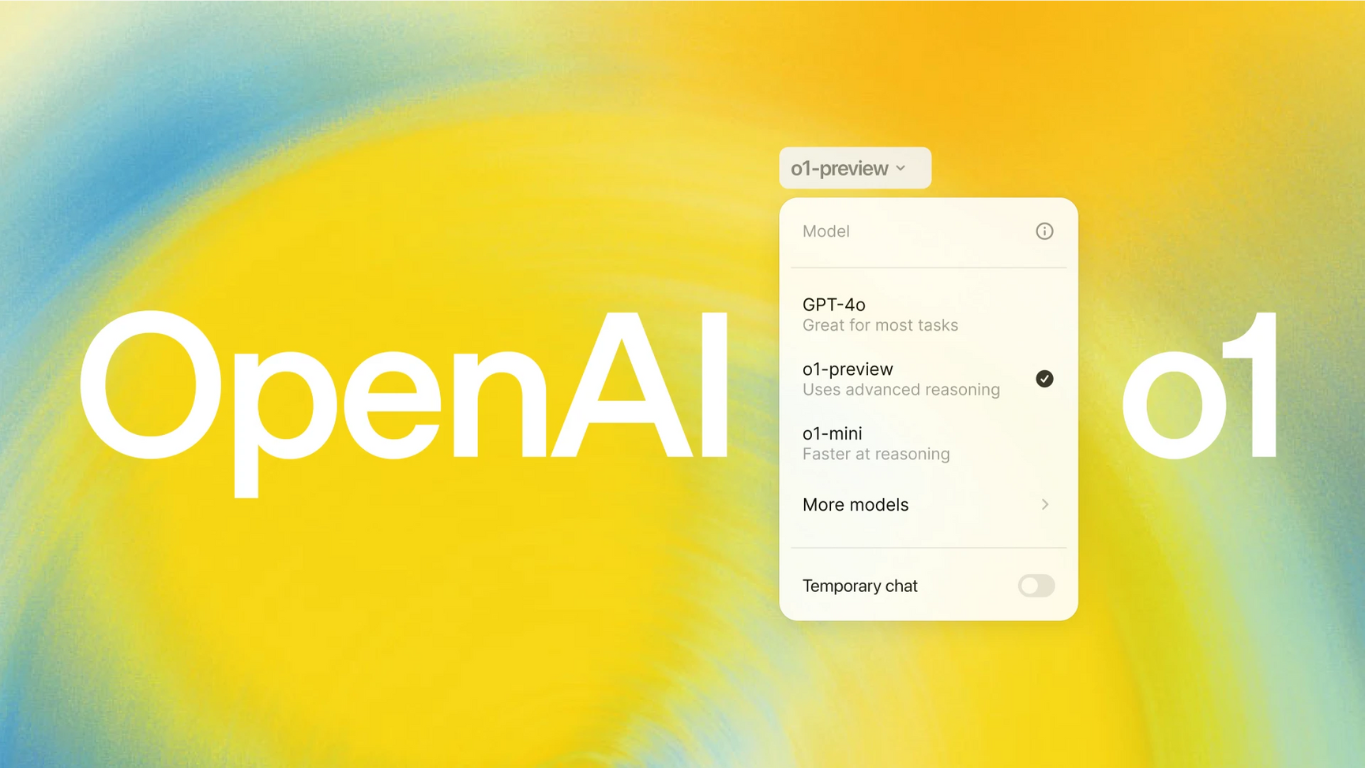

What is OpenAI o1?
OpenAI o1 is a series of language models built to spend more time reasoning before responding. Instead of answering immediately, o1 models work through problems step by step, which helps on math, coding, science, and other tasks that need careful thought.
You can use o1 through ChatGPT Plus on the web and mobile apps, or through the OpenAI API and Playground for developers. OpenAI also publishes research on how these models learn to reason, along with a system card covering safety and capabilities.
o1 is aimed at harder questions where accuracy matters more than speed. For quick everyday prompts, OpenAI's faster models are usually a better fit.
Claude 3 \ Anthropic
What is Claude 3 \ Anthropic?
Claude 3 is Anthropic's third-generation large language model family, released in March 2024. It includes three tiers: Haiku for speed and cost, Sonnet for balanced performance, and Opus for the highest reasoning depth. Each model targets a different tradeoff between intelligence, latency, and price.
The family handles text, code, analysis, and vision tasks. Claude 3 models process photos, charts, graphs, and technical diagrams. They support a 200K token context window at launch, with inputs exceeding 1 million tokens available to select customers. Opus and Sonnet launched on claude.ai and the Claude API in 159 countries, with Haiku following shortly after.
Anthropic built Claude 3 with Constitutional AI safety methods and Responsible Scaling Policy guardrails. The models are available through the Claude API, Amazon Bedrock, and Google Cloud Vertex AI. Sonnet powers the free tier on claude.ai, while Opus is available to Claude Pro subscribers.
OpenAI o1 Upvotes
Claude 3 \ Anthropic Upvotes
OpenAI o1 Top Features
Spends additional compute on internal reasoning before producing a final answer
Available in ChatGPT Plus and through the OpenAI API and Playground
Designed for complex math, coding, science, and multi-step problem solving
Backed by published research on learning to reason with LLMs
Ships with an OpenAI o1 System Card covering safety and deployment details
Claude 3 \ Anthropic Top Features
Three model tiers (Haiku, Sonnet, Opus) let you pick the right balance of speed, cost, and reasoning depth
200K token context window at launch, with 1M+ token inputs available to select enterprise customers
Vision support for photos, charts, graphs, PDFs, and technical diagrams
Haiku reads a ~10k token research paper with charts in under three seconds for live chat workloads
Available on claude.ai, the Claude API, Amazon Bedrock, and Google Cloud Vertex AI
OpenAI o1 Category
- Large Language Model (LLM)
Claude 3 \ Anthropic Category
- Large Language Model (LLM)
OpenAI o1 Pricing Type
- Freemium
Claude 3 \ Anthropic Pricing Type
- Freemium