Peruser AI vs Talk to Books
In the contest of Peruser AI vs Talk to Books, which AI Search Engine tool is the champion? We evaluate pricing, alternatives, upvotes, features, reviews, and more.
If you had to choose between Peruser AI and Talk to Books, which one would you go for?
When we examine Peruser AI and Talk to Books, both of which are AI-enabled search engine tools, what unique characteristics do we discover? The upvote count favors Talk to Books, making it the clear winner. Talk to Books has garnered 23 upvotes, and Peruser AI has garnered 7 upvotes.
Not your cup of tea? Upvote your preferred tool and stir things up!
Peruser AI

What is Peruser AI?
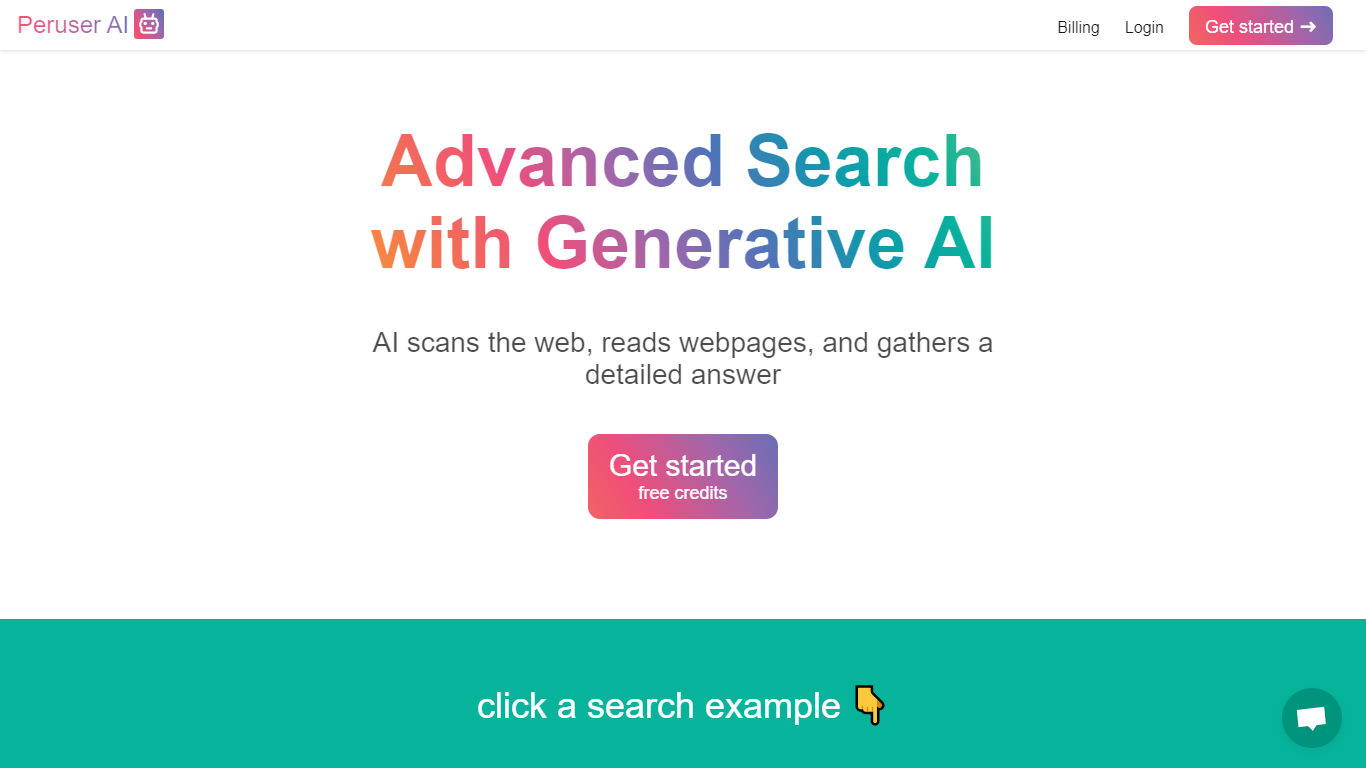
Peruser AI answers research questions by scanning the web, reading source pages, and returning a summarized response with linked citations and images. You type a question, and the service pulls details from multiple sites into one report instead of a traditional list of blue links.
Compared with a standard chatbot that guesses from training data, Peruser AI grounds each answer in live webpages and attaches references you can open to verify claims. The homepage highlights use cases from tech news roundups and Python code checks to research proposals and hobby research like choosing a pet parrot.
Students, developers, and analysts who need sourced summaries over raw search results use it to skip manually opening dozens of tabs. The about page notes free starter credits, Stripe billing for upgrades, and support through [email protected] or the site chat widget.
Talk to Books
What is Talk to Books?
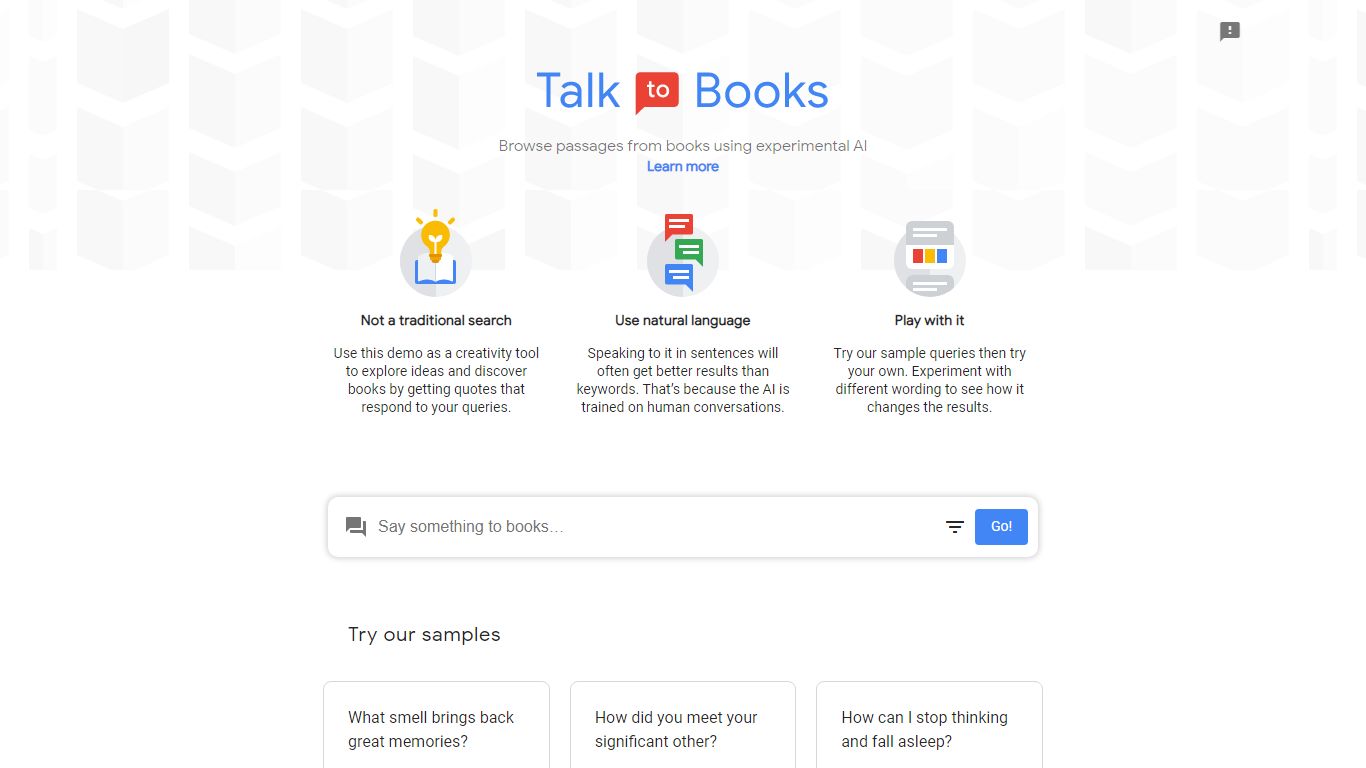
Talk to Books was a Google Research experiment that let you ask natural-language questions and get answers pulled from passages across a large collection of books. You typed a question or statement, and the system returned relevant book excerpts instead of standard web search results. Google has shut the service down, but the site still hosts an archive of sample queries.
The project launched in 2018 as part of Google's Semantic Experiences initiative. It used neural language models for semantic matching and retrieval, showing how conversational queries could surface ideas buried in published books rather than blog posts or forums.
Researchers, students, and curious readers used Talk to Books to explore topics through book-length context. The experiment informed later semantic search features inside Google products such as Shopping, Maps, Gmail, and Hangouts.
Peruser AI Upvotes
Talk to Books Upvotes
Peruser AI Top Features
Scans the web and reads webpages to build a single detailed answer per query
Attaches reference links to each fact so answers can be cross-checked against sources
Includes images alongside text summaries on the results page
Sample queries cover tech news, Python code, CSS help, and research proposals
Free credits available when you create an account from the homepage
Talk to Books Top Features
Ask questions in plain English and get book passages back, not web links
Searches across a large corpus of published books using semantic matching
Archived sample queries still viewable on the shutdown notice page
Part of Google's 2018 Semantic Experiences research alongside Semantris
Demonstrated neural retrieval models that later shaped other Google products
Peruser AI Category
- Search Engine
Talk to Books Category
- Search Engine
Peruser AI Pricing Type
- Freemium
Talk to Books Pricing Type
- Free