Pixelcode vs Warp
In the contest of Pixelcode vs Warp, which AI Code Assistant tool is the champion? We evaluate pricing, alternatives, upvotes, features, reviews, and more.
If you had to choose between Pixelcode and Warp, which one would you go for?
When we examine Pixelcode and Warp, both of which are AI-enabled code assistant tools, what unique characteristics do we discover? Warp is the clear winner in terms of upvotes. Warp has 8 upvotes, and Pixelcode has 6 upvotes.
Disagree with the result? Upvote your favorite tool and help it win!
Pixelcode
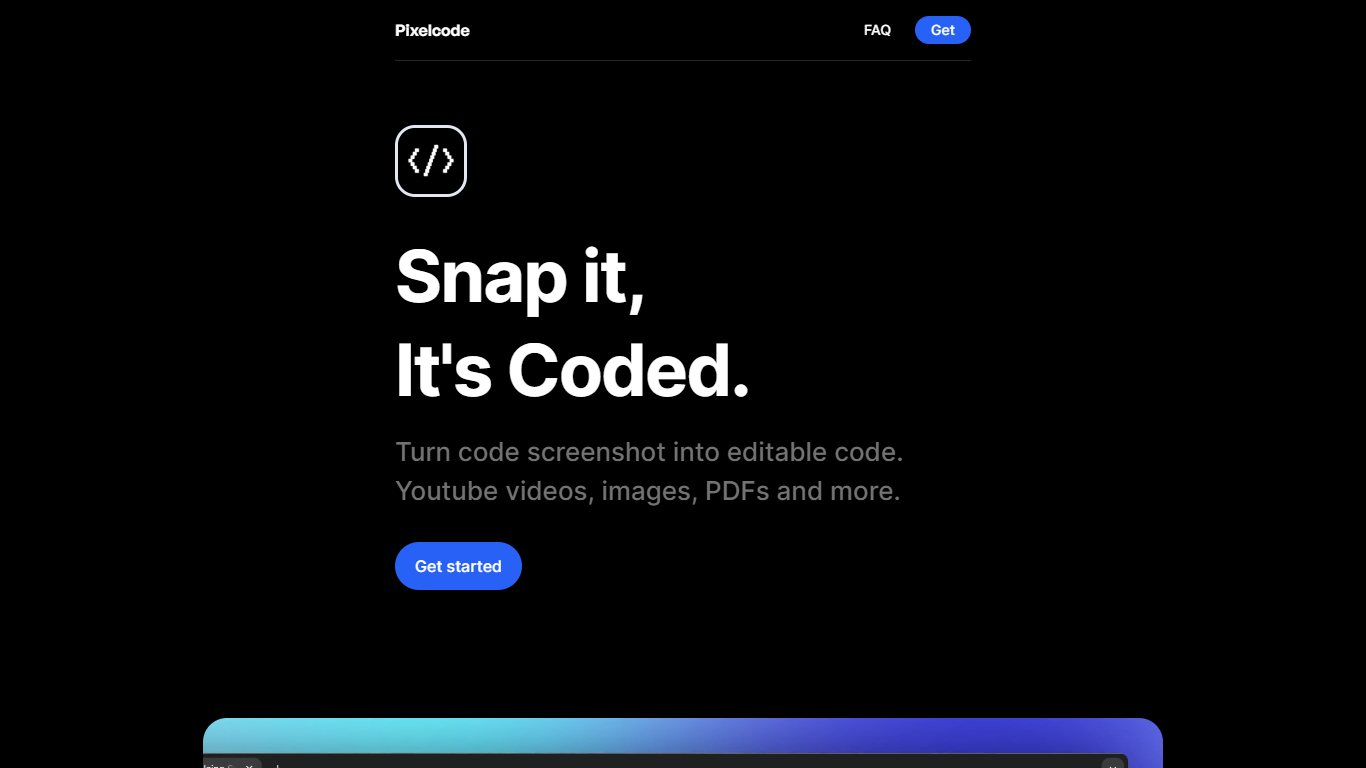

What is Pixelcode?
Pixelcode turns code screenshots, YouTube frames, images, and PDFs into editable source text through a Chrome extension. Click the extension, crop the snippet you need, and the extracted code lands on your clipboard formatted for your IDE instead of forcing a manual retype.
Generic OCR tools flatten indentation and miss language syntax. Pixelcode targets developer workflows with automatic language detection across 30 plus languages, precision cropping from a few lines to long blocks, and optional unlimited extraction when you connect your own ChatGPT API key on the $35 lifetime tier instead of buying screenshot credits.
Developers learning from video tutorials, reviewing legacy PDF docs, or capturing snippets from blog images use Pixelcode when they want paste-ready code without rebuilding formatting by hand.
Warp
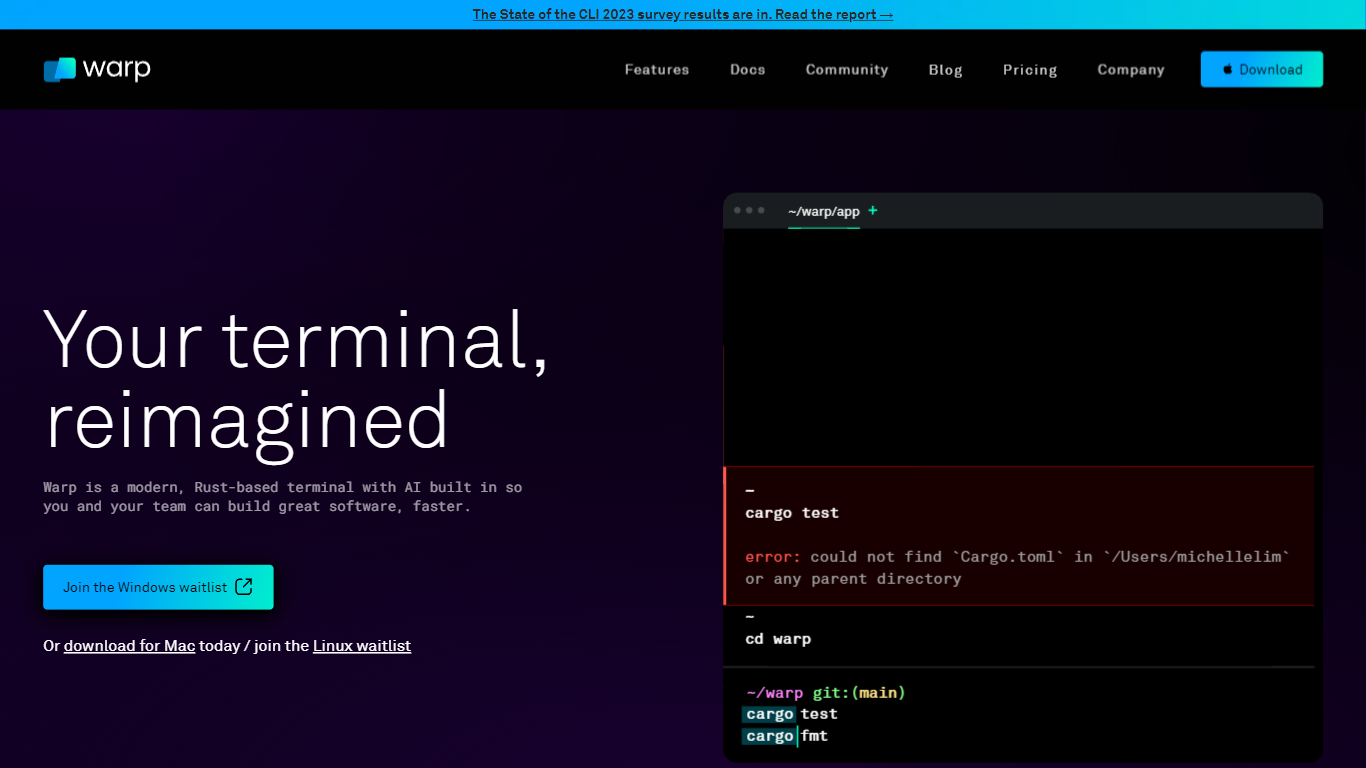
What is Warp?
Warp is a modern terminal and agent platform for developers who want coding agents inside their shell workflow. You get Warp Terminal as an open-source environment, Warp Agent for multi-model coding assistance, and Oz for launching cloud agents from the CLI or SDK. The stack covers local editing, code review panels, bug investigation, and team governance from one vendor.
iTerm and stock Terminal stay dumb panes; Warp rebuilt the shell around blocks, suggestions, and embedded agents. You can bring your own inference keys on the Free plan or buy included credits on Build ($20/month with 1,500 credits) and Max ($200/month with 18,000 credits). Business adds SAML SSO at $50 per user per month for teams up to 25 seats.
Software engineers at startups and Fortune 500 companies use Warp to run CLI agents, index multi-repo codebases, and route between OpenAI, Anthropic, Google, and xAI models without leaving the terminal. The site cites 800,000 developers on Warp Agent and positions Warp Terminal as now open source under an Oz-managed workflow.
Pixelcode Upvotes
Warp Upvotes
Pixelcode Top Features
Chrome extension captures and crops code directly in the browser with clipboard output
Recognizes 30+ programming languages including JavaScript, Python, Java, Swift, and Ruby
Pay-per-use lifetime plan costs $15 with 20 free screenshots and $8 per 100 additional captures
Unlimited lifetime tier at $35 routes extraction through your own ChatGPT API key
Processes code from YouTube video frames, static images, and PDF documents
API keys stay on your device and are not stored on Pixelcode servers per the FAQ
Warp Top Features
Warp Terminal is open source with blocks-based UI and native agent integration
Warp Agent supports multi-repo indexing and models from OpenAI, Anthropic, Google, xAI, GLM 5.2, and DeepSeek V4
Free plan at $0 per month includes core terminal, Warp Agent CLI, and bring-your-own inference
Build plan starts at $20 per month with 1,500 credits of included agent usage
Business plan at $50 per user per month adds SAML SSO for teams up to 25 seats
Oz platform launches cloud agents via SDK, CLI, or handoff from Warp Terminal
Pixelcode Category
- Code Assistant
Warp Category
- Code Assistant
Pixelcode Pricing Type
- Paid
Warp Pricing Type
- Freemium