Quadratic vs DATAKU
In the contest of Quadratic vs DATAKU, which AI Data Science tool is the champion? We evaluate pricing, alternatives, upvotes, features, reviews, and more.
If you had to choose between Quadratic and DATAKU, which one would you go for?
When we examine Quadratic and DATAKU, both of which are AI-enabled data science tools, what unique characteristics do we discover? There's no clear winner in terms of upvotes, as both tools have received the same number. The power is in your hands! Cast your vote and have a say in deciding the winner.
Think we got it wrong? Cast your vote and show us who's boss!
Quadratic

What is Quadratic?
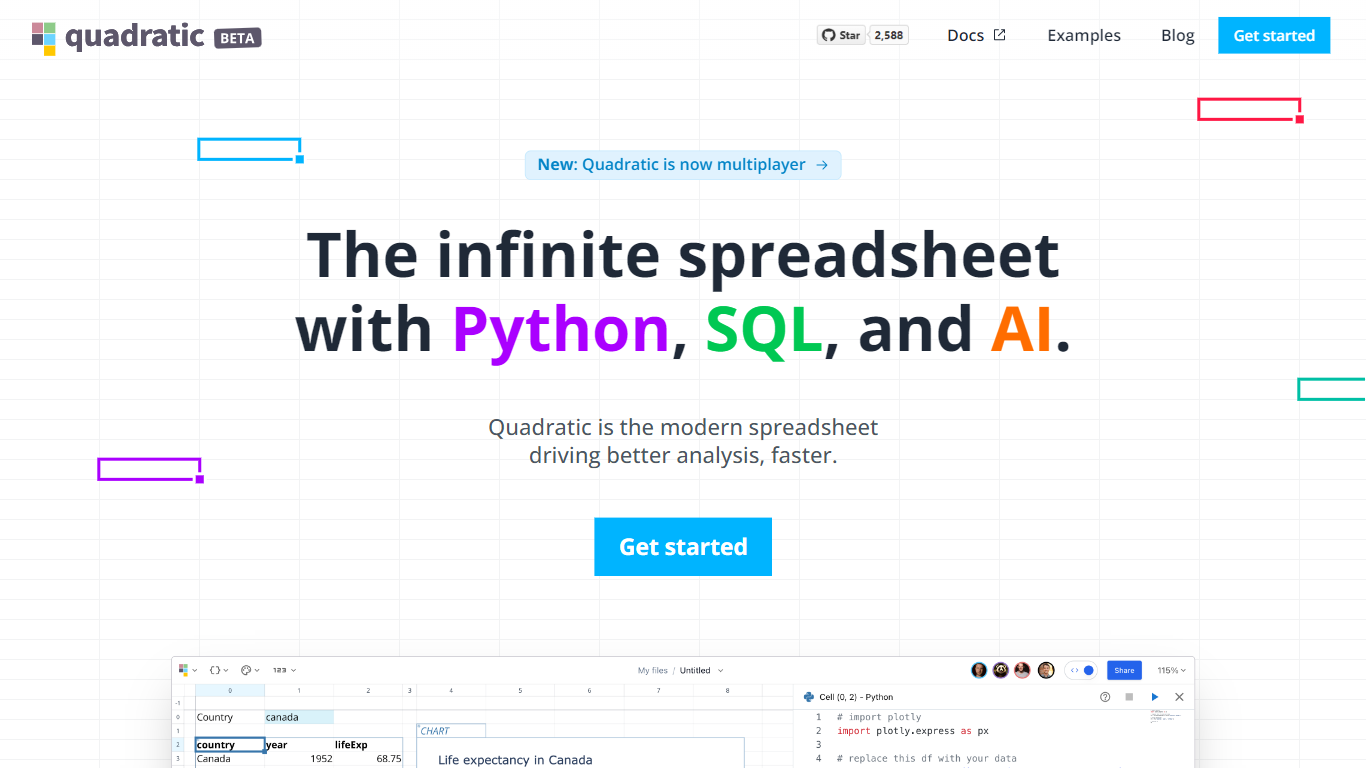
Quadratic is an AI spreadsheet that connects live data from databases, finance tools, analytics platforms, and files into one workspace. You can ask questions in plain language, run Python or SQL in cells, and get answers you can open and verify instead of trusting a black box.
It pulls from sources like Postgres, QuickBooks, Google Analytics, Mixpanel, Plaid, and Snowflake, then unifies everything in a familiar grid. Teams use it for forecasting, exploratory analysis, and reporting without exporting CSVs or juggling disconnected tools.
Quadratic also supports MCP so agents like Claude, Cursor, and ChatGPT can read and write spreadsheet data, plus a REST API for embedding spreadsheet workflows in your own apps. The product is SOC 2 and HIPAA certified.
DATAKU
What is DATAKU?
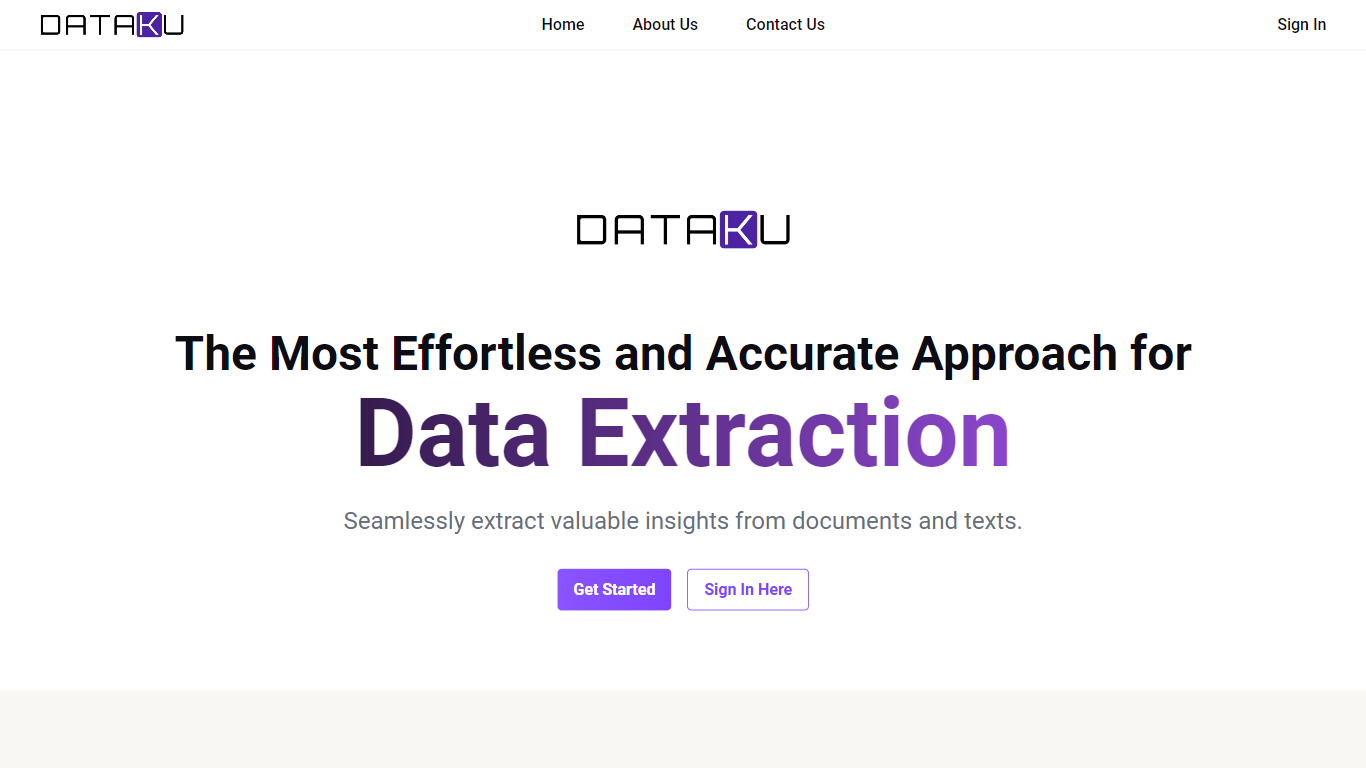
DATAKU is a data science site that tracks AI benchmarks, API pricing, and model releases, then packages the numbers into free calculators and downloadable datasets. The homepage archives articles on inference costs, funding rounds, and head-to-head model comparisons, while the Tools section hosts eight utilities such as an LLM cost calculator, benchmark decoder, and model graveyard.
Most AI news sites summarize press releases. DATAKU cross-references provider docs, leaderboard scores, and its own pricing tables, which is why the downloadable datasets page lists 48-row pricing histories and 62-row benchmark score tables under CC BY 4.0 licenses.
Data analysts, ML engineers, and buyers use DATAKU when they need cost-per-token math, benchmark context, or CSV exports instead of marketing claims. The About page describes the project as benchmark and pricing tracking run by a former Tokyo data analyst.
Quadratic Upvotes
DATAKU Upvotes
Quadratic Top Features
Connect Postgres, QuickBooks, Plaid, Google Analytics, Mixpanel, and other sources for live spreadsheet data
Ask questions in natural language and get auditable Python or SQL cells you can edit and verify
Unify databases, spreadsheets, PDFs, and APIs into one connected workspace
Use MCP so Claude, Cursor, ChatGPT, and other agents can read and write spreadsheet cells
Trigger AI runs and read or write cells through the Quadratic REST API
DATAKU Top Features
LLM Cost Calculator estimates API spend across OpenAI, Anthropic, Google, Meta, and Mistral models
Benchmark Decoder explains what benchmarks measure and which models score highest
AI Training Data Tracker documents sources and cutoff dates for 18+ major models
Model Graveyard archives 25+ deprecated models with replacement notes
Downloadable datasets include 48-row pricing history and 62-row benchmark tables (CC BY 4.0)
AI Energy Calculator estimates watts, kWh, and CO2 per model query
Quadratic Category
- Data Science
DATAKU Category
- Data Science
Quadratic Pricing Type
- Freemium
DATAKU Pricing Type
- Free