Quadratic vs DataRobot
In the battle of Quadratic vs DataRobot, which AI Data Science tool comes out on top? We compare reviews, pricing, alternatives, upvotes, features, and more.
Which one is better? Quadratic or DataRobot?
Upon comparing Quadratic with DataRobot, which are both AI-powered data science tools, Both tools have received the same number of upvotes from aitools.fyi users. The power is in your hands! Cast your vote and have a say in deciding the winner.
You don't agree with the result? Cast your vote to help us decide!
Quadratic

What is Quadratic?
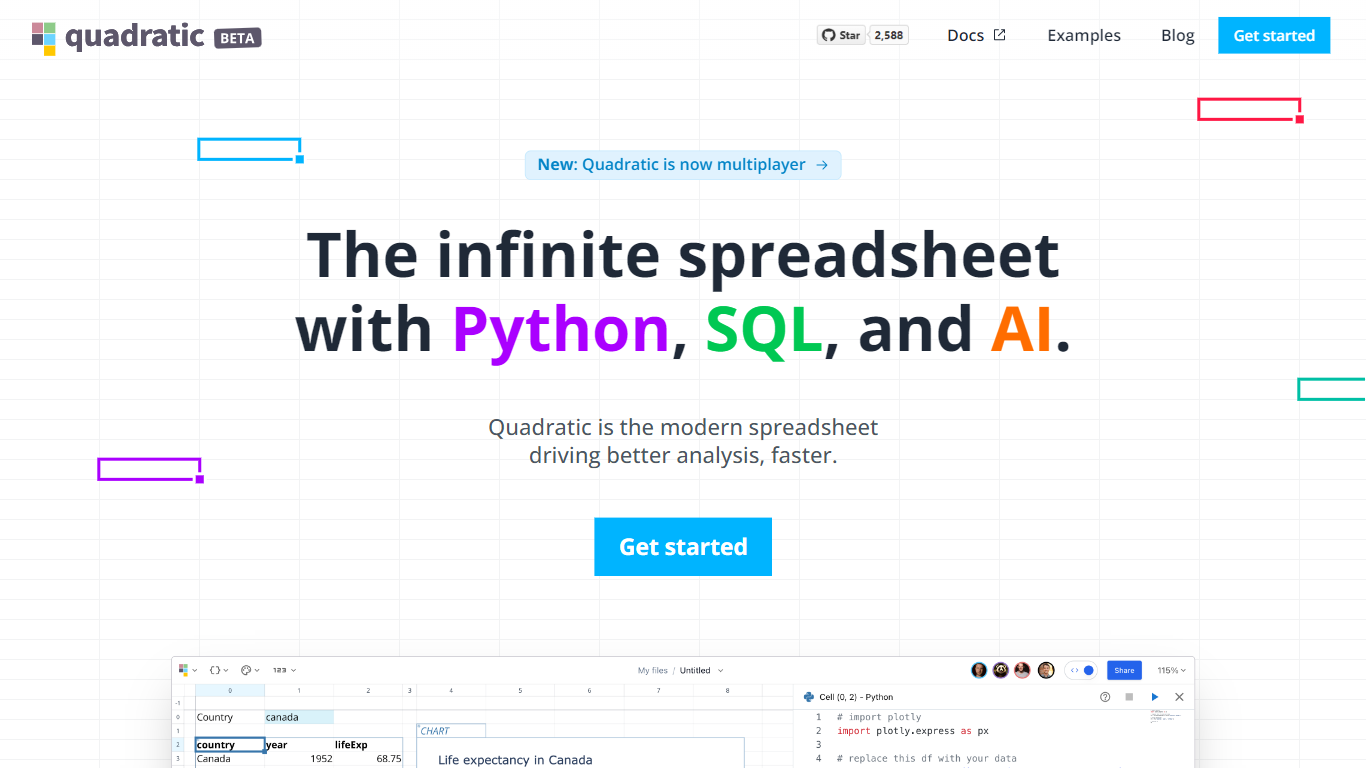
Quadratic is an AI spreadsheet that connects live data from databases, finance tools, analytics platforms, and files into one workspace. You can ask questions in plain language, run Python or SQL in cells, and get answers you can open and verify instead of trusting a black box.
It pulls from sources like Postgres, QuickBooks, Google Analytics, Mixpanel, Plaid, and Snowflake, then unifies everything in a familiar grid. Teams use it for forecasting, exploratory analysis, and reporting without exporting CSVs or juggling disconnected tools.
Quadratic also supports MCP so agents like Claude, Cursor, and ChatGPT can read and write spreadsheet data, plus a REST API for embedding spreadsheet workflows in your own apps. The product is SOC 2 and HIPAA certified.
DataRobot
What is DataRobot?
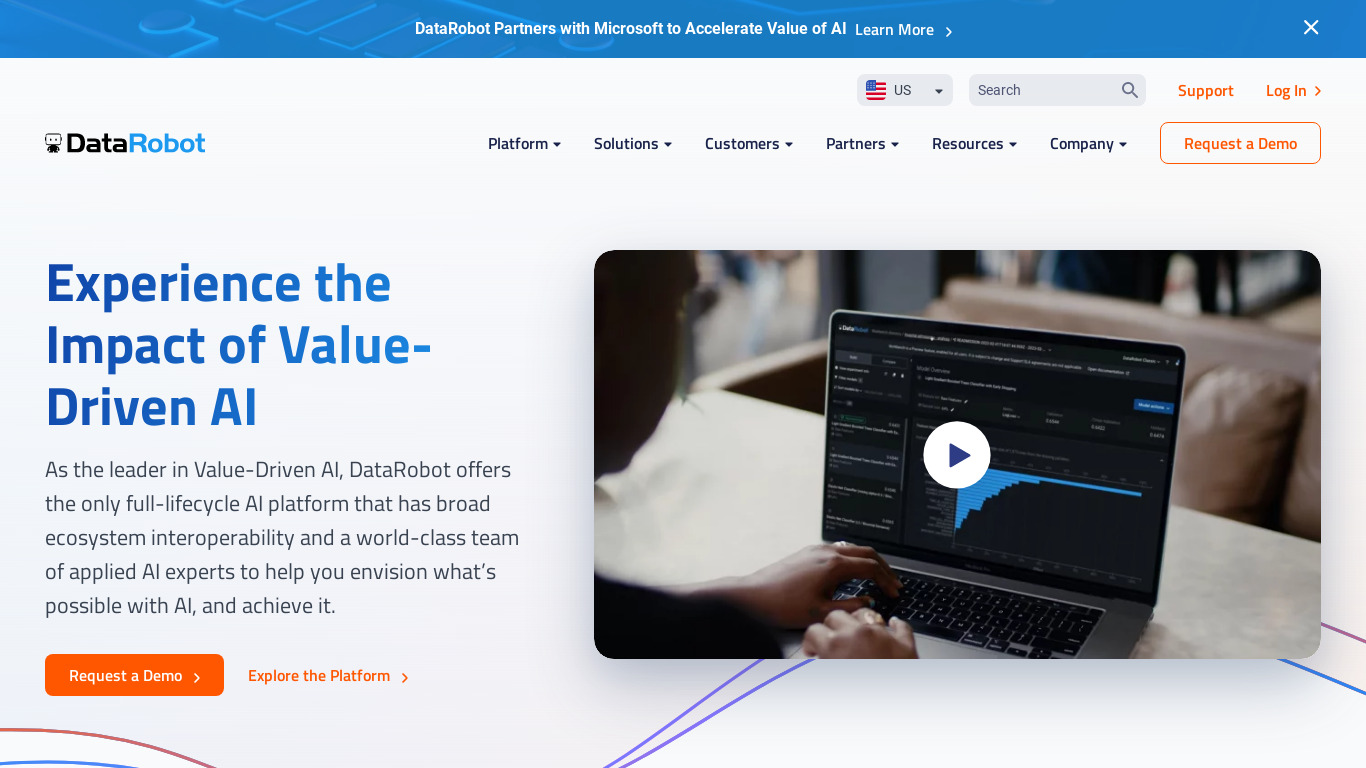
DataRobot lets enterprise teams build, deploy, and govern production-grade AI agents across cloud, hybrid, and on-prem environments from one platform. Agent development, operations, and governance sit in the same stack, so teams launch agents in days instead of stitching together dozens of pilot tools.
Lightweight agent builders often stop at demos. DataRobot covers the full lifecycle with customizable blueprints for builders, real-time monitoring for operators, and enforceable compliance controls for governance teams. It is co-engineered with NVIDIA for enterprise AI factories and certified inside SAP ecosystems, which means the sweet spot is large organizations with complex infrastructure rather than solo developers.
Data science teams, ML engineers, IT security groups, and business units in banking, manufacturing, energy, and retail use DataRobot to replace point AI tools. Common workloads include predictive maintenance, supply chain orchestration, credit risk modeling, and customer service agents that connect to Snowflake, SQL, S3, and ERP systems.
Quadratic Upvotes
DataRobot Upvotes
Quadratic Top Features
Connect Postgres, QuickBooks, Plaid, Google Analytics, Mixpanel, and other sources for live spreadsheet data
Ask questions in natural language and get auditable Python or SQL cells you can edit and verify
Unify databases, spreadsheets, PDFs, and APIs into one connected workspace
Use MCP so Claude, Cursor, ChatGPT, and other agents can read and write spreadsheet cells
Trigger AI runs and read or write cells through the Quadratic REST API
DataRobot Top Features
Agent Workforce Platform covers build, operate, and govern phases in one stack
Deploy agents on-prem, hybrid, VPC, or SaaS with dynamic compute orchestration
350+ integrations and customizable blueprints for faster agent development
Real-time agent quality monitoring with authentication controls for data and APIs
SAP-certified agent integrations and NVIDIA Enterprise AI Factory validation
Gartner Magic Quadrant 3X Leader for Data Science and Machine Learning Platforms
Quadratic Category
- Data Science
DataRobot Category
- Data Science
Quadratic Pricing Type
- Freemium
DataRobot Pricing Type
- Paid