Read Partner vs SciSpace (formerly Typeset)
Dive into the comparison of Read Partner vs SciSpace (formerly Typeset) and discover which AI Summarizer tool stands out. We examine alternatives, upvotes, features, reviews, pricing, and beyond.
In a comparison between Read Partner and SciSpace (formerly Typeset), which one comes out on top?
When we compare Read Partner and SciSpace (formerly Typeset), two exceptional summarizer tools powered by artificial intelligence, and place them side by side, several key similarities and differences come to light. The community has spoken, SciSpace (formerly Typeset) leads with more upvotes. SciSpace (formerly Typeset) has attracted 24 upvotes from aitools.fyi users, and Read Partner has attracted 6 upvotes.
Don't agree with the result? Cast your vote and be a part of the decision-making process!
Read Partner
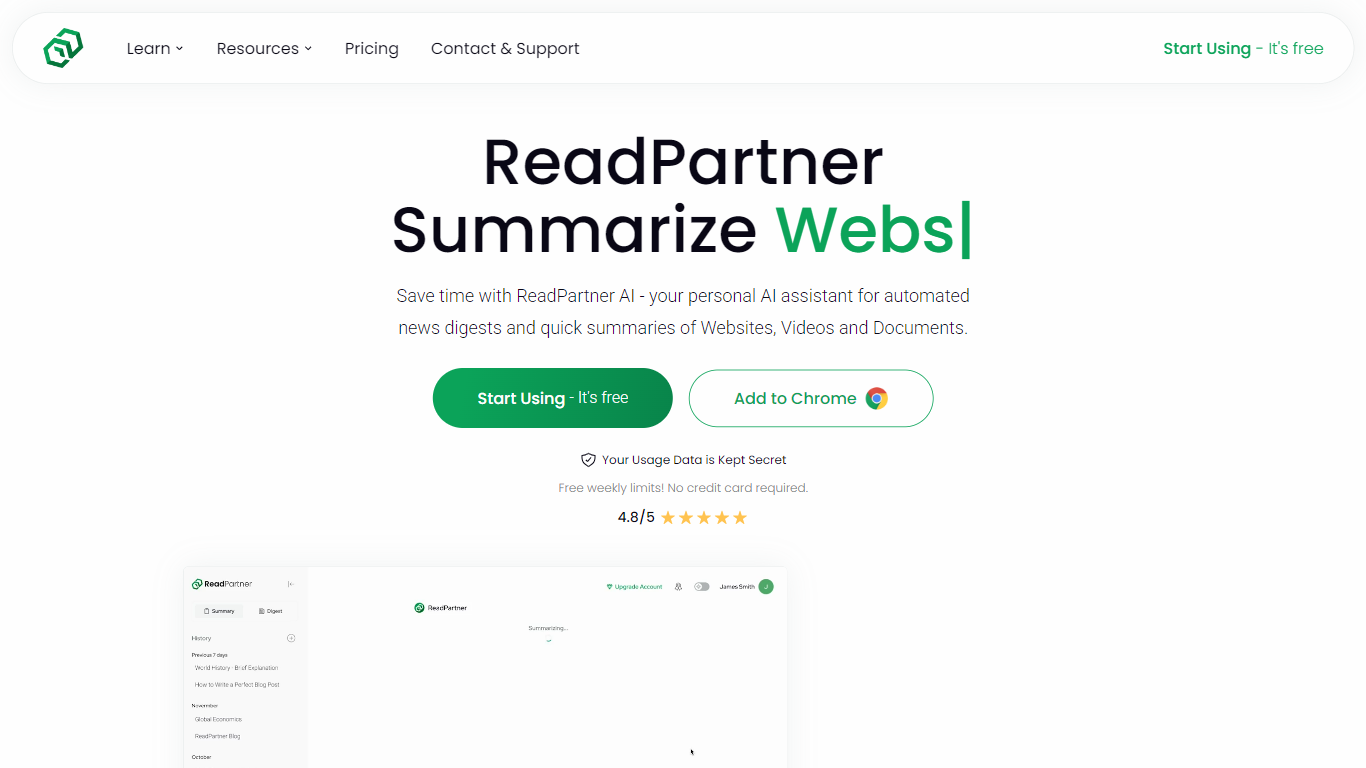

What is Read Partner?
Read Partner is now a media intelligence dashboard for tracking news, social conversations, and emerging trends in one place. Teams set keyword alerts across traditional publishers and platforms like X, LinkedIn, Reddit, and YouTube, then review sentiment, popularity, and bias signals without jumping between separate monitoring tools. The old summarizer positioning is gone; the product today targets brand, competitor, and crisis monitoring workflows.
Where standalone news aggregators dump headlines and social listening tools stay platform-specific, Read Partner bundles keyword monitoring, media monitoring, social listening, disposable inboxes, and internal email newsletters into one platform. Enterprise customers also get API access and executive report generation. The site cites 97 million mentions collected in 2025 and monitoring across 28 global markets.
PR teams, marketing departments, risk analysts, and enterprise operations groups use it for brand monitoring, competitor tracking, market research, and OSINT-style threat detection. Pricing runs through Essentials, Business, and Enterprise tiers with demo-led onboarding rather than self-serve checkout, which fits teams that need custom keyword sets and departmental briefing workflows.
SciSpace (formerly Typeset)
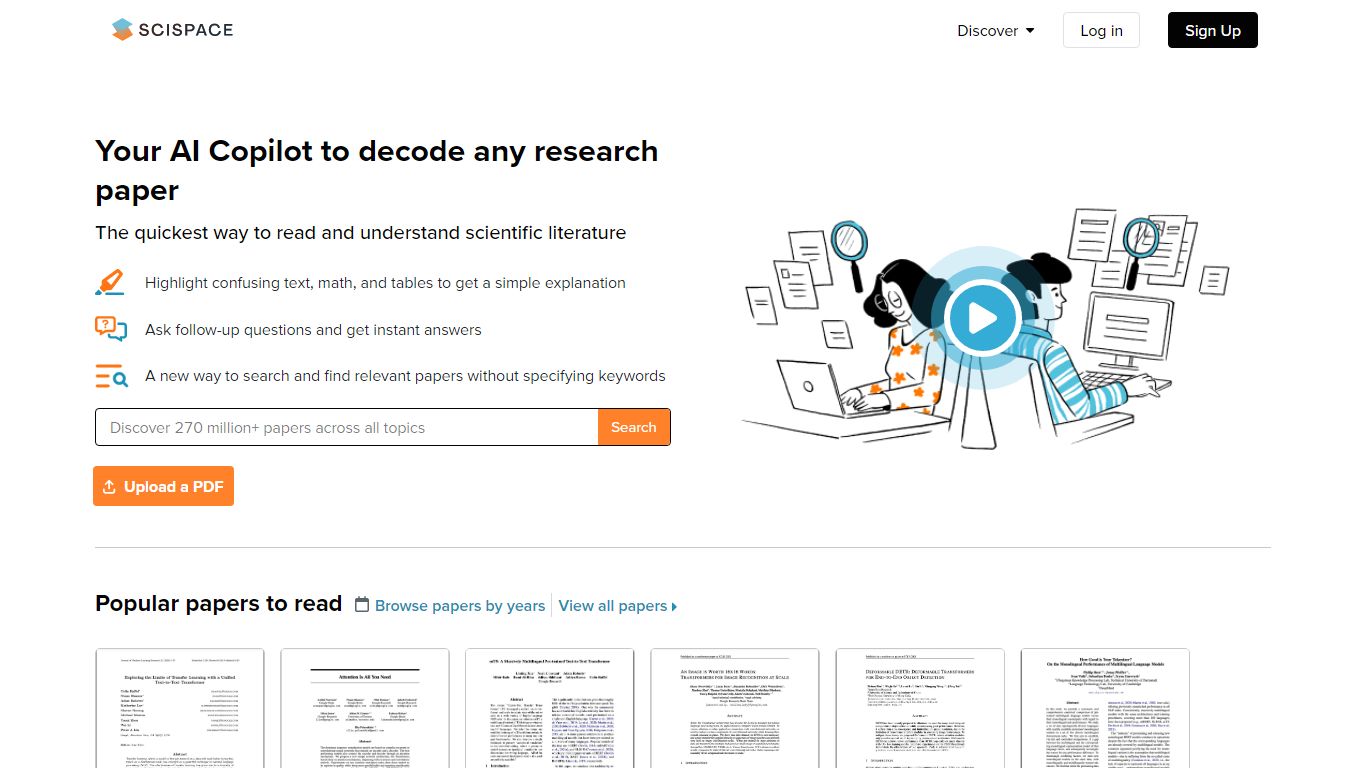
What is SciSpace (formerly Typeset)?
SciSpace, formerly Typeset, is a research workspace where you search a large academic paper index, chat with PDFs, and draft literature reviews with cited sources. The typeset.io URL now lands on scispace.com, which bundles an AI agent, literature review search, paraphraser, citation generator, data extraction, and AI detection in one interface.
General AI chat tools answer from the open web. SciSpace centers the workflow on papers: you can run systematic reviews across 280M+ indexed works, highlight passages for explanations, and move from reading into AI Writer drafts with references. Biomedical Agent, enterprise recruiting, and Chrome or mobile apps extend the same stack for labs and R&D teams.
Graduate students, PhD researchers, and pharma or biotech analysts use SciSpace to screen literature faster, unpack dense PDFs, and produce summaries or manuscripts with traceable citations. The platform reports adoption by 9.6 million researchers and lists SOC 2 compliance on its site.
Read Partner Upvotes
SciSpace (formerly Typeset) Upvotes
Read Partner Top Features
Keyword monitoring across X, LinkedIn, Reddit, and YouTube with a cited 98% delivery guarantee across channels
Media monitoring across thousands of news outlets with near real-time crawling and sentiment scoring
Internal Newsletters that email daily breaking news updates to selected team members
Disposable Inboxes for tracking industry newsletters without cluttering personal inboxes
Enterprise plan includes API keys for integrating ReadPartner data into internal systems
Analytics suite covers volume trends, sentiment spikes, bias distribution, and author analysis
SciSpace (formerly Typeset) Top Features
Search and review literature across 280M+ indexed research papers
Chat with PDF highlights for plain-language explanations of dense sections
SciSpace Agent plus Biomedical Agent for guided research tasks
Built-in paraphraser, citation generator, AI detector, and data extraction tools
AI Writer and templates for drafting papers with cited sources
Chrome extension and mobile app for reading outside the browser tab
Premium plans with a 24-hour money-back guarantee on subscriptions
Read Partner Category
- Summarizer
SciSpace (formerly Typeset) Category
- Summarizer
Read Partner Pricing Type
- Paid
SciSpace (formerly Typeset) Pricing Type
- Freemium