Reform vs Web on Demand
When comparing Reform vs Web on Demand, which AI Web Apps tool shines brighter? We look at pricing, alternatives, upvotes, features, reviews, and more.
In a comparison between Reform and Web on Demand, which one comes out on top?
When we put Reform and Web on Demand side by side, both being AI-powered web apps tools, Both tools are equally favored, as indicated by the identical upvote count. Be a part of the decision-making process. Your vote could determine the winner.
Disagree with the result? Upvote your favorite tool and help it win!
Reform

What is Reform?
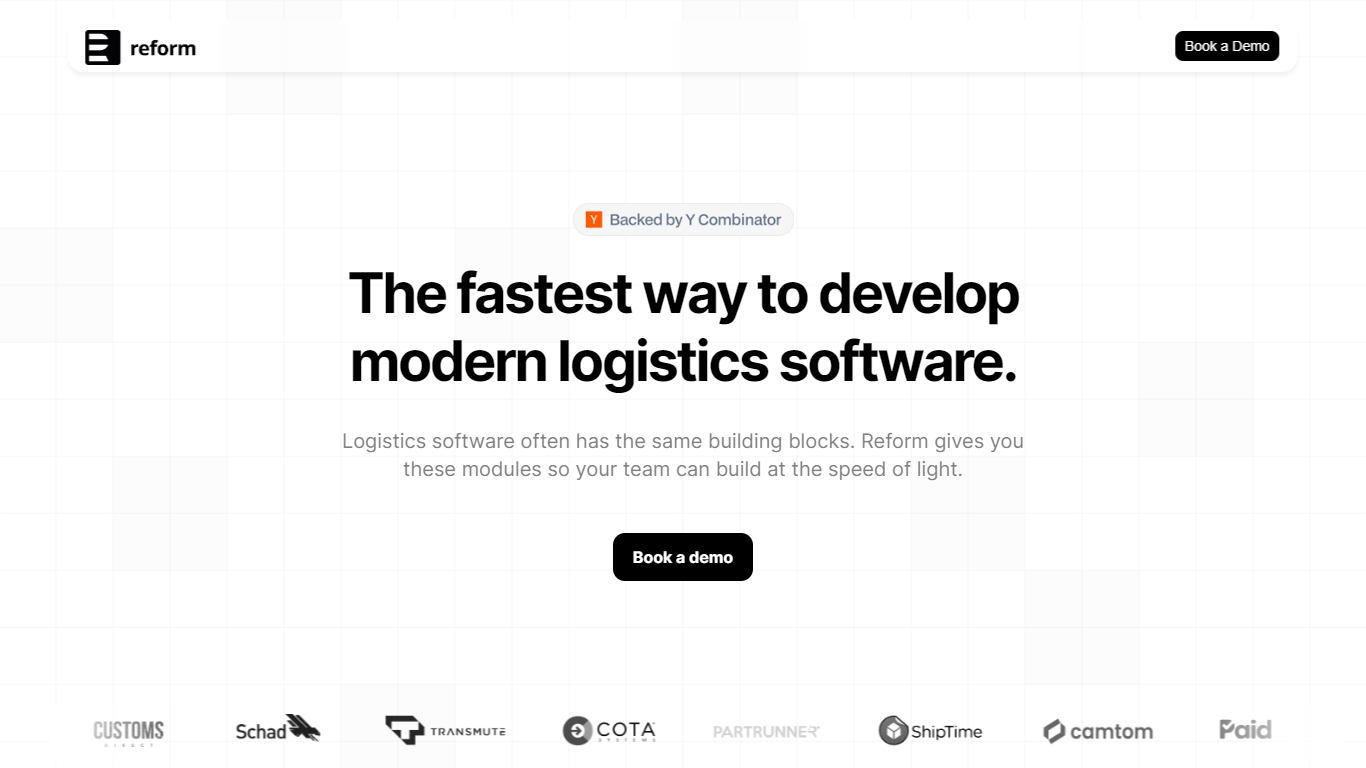
Reform is an AI workflow automation platform built for freight forwarding, customs brokerage, and logistics operations. It connects to your existing TMS, ERP, and in-house systems to automate tasks from quote to cash: document data extraction, customs declaration preparation, AP invoice processing, 3-way matching, and shipment consolidation.
The platform uses human-in-the-loop dashboards so teams handle exceptions while AI handles routine work. Customers report 2,000+ hours saved per month, with 20M+ tasks automated and $500M+ in AP invoices processed across the platform. Reform integrates with systems like Magaya and CargoWise.
Backed by Y Combinator, Reform serves freight forwarders, customs brokers, shippers, and carriers. Pricing tiers include Team (10K credits/month, 4 automations), Operations (100K credits/month, unlimited automations), and Enterprise (unlimited credits and integrations). All plans require contacting sales for pricing.
Web on Demand

What is Web on Demand?
Web on Demand is a no-code web apps builder for agencies, freelancers, and resellers who need client sites without PHP backends or plugin stacks. It combines drag-and-drop layouts, spreadsheet-style database editing, e-commerce tools, and an AI generator for blogs, product descriptions, and SEO metadata. Sites run on HTML and CSS, and edits happen on the live page through embedded controls instead of a separate admin dashboard.
Where WordPress or Webflow charge monthly subscriptions and hide editing behind a backend, Web on Demand sells one-time licenses starting at $1,000 and lets you click text on the published page to change it. That fits white-label workflows where clients expect to update copy themselves. The trade-off is the upfront license cost and the HTML/CSS skills needed for fully custom layouts.
Freelancers, design studios, and ISP partners use it to ship e-commerce stores, landing pages, and branded website storefronts. The AI generator helps teams draft SEO-friendly blog posts and product copy without hiring a writer for every SKU. Resellers on the Storefront plan can earn a 20% share of client hosting fees sold through their store.
Reform Upvotes
Web on Demand Upvotes
Reform Top Features
Automate document extraction from bills of lading, invoices, and customs forms
Human-in-the-loop dashboards for exception handling across connected systems
Customs declaration preparation with AI processing of commercial invoices and packing lists
3-way matching for purchase orders, invoices, and bills of lading
Integrations with TMS, ERP, Magaya, CargoWise, and in-house databases
Web on Demand Top Features
Basic license costs $1,000 as a one-time payment with no recurring platform subscription
AI generator drafts full blog posts from a short prompt and suggests keywords plus meta descriptions from a page title
Edit content on the live site with embedded controls instead of logging into a backend admin panel
Import e-commerce inventory from Google Sheets or Microsoft Excel in one click
Supports 64 languages with LTR and RTL layouts on published sites
Hosting runs on AWS with HTTPS encryption included on every business plan
Reform Category
- Web Apps
Web on Demand Category
- Web Apps
Reform Pricing Type
- Paid
Web on Demand Pricing Type
- Paid