SermonGPT vs Typeset
In the contest of SermonGPT vs Typeset, which AI Summarizer tool is the champion? We evaluate pricing, alternatives, upvotes, features, reviews, and more.
If you had to choose between SermonGPT and Typeset, which one would you go for?
When we examine SermonGPT and Typeset, both of which are AI-enabled summarizer tools, what unique characteristics do we discover? The community has spoken, Typeset leads with more upvotes. Typeset has been upvoted 24 times by aitools.fyi users, and SermonGPT has been upvoted 6 times.
You don't agree with the result? Cast your vote to help us decide!
SermonGPT
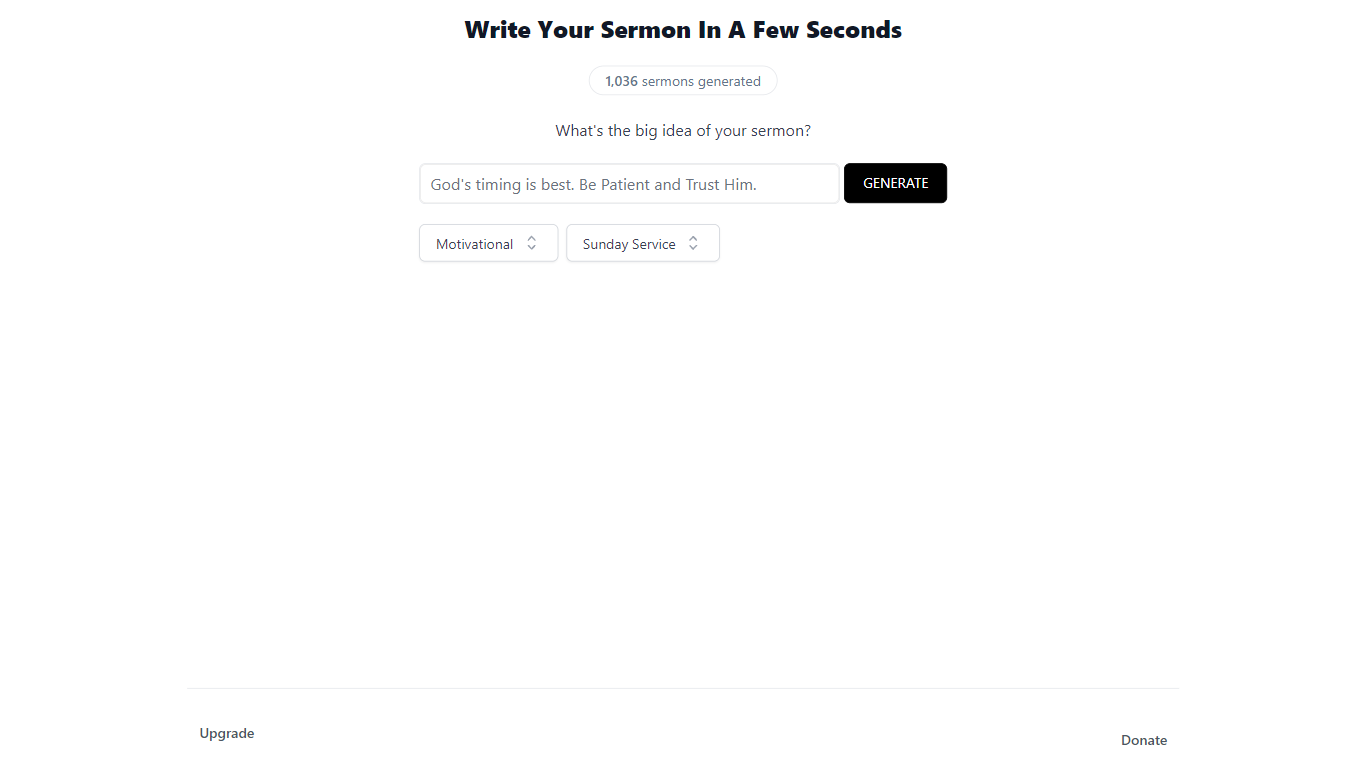

What is SermonGPT?
SermonGPT is an innovative app that revolutionizes the way sermons are written. No longer do you need to spend hours crafting your sermon; with SermonGPT, you can write your sermon in seconds. Powered by cutting-edge Machine Learning and AI technology, SermonGPT automates the process of sermon creation, saving you time and energy.
With SermonGPT, all you need to do is input a few key details, such as your sermon topic, key verses, and main points. The app then generates a fully-formed sermon with compelling intros, engaging illustrations, and practical application points. It even suggests relevant Bible passages and quotes to enhance your message. Whether you're a seasoned preacher or a novice, SermonGPT provides you with the tools and inspiration to deliver powerful sermons every time.
Not only does SermonGPT help you write sermons faster, but it also ensures the quality and depth of your messages. The app incorporates theological insights and biblical principles to offer a thoughtful and well-rounded sermon. It assists in structuring your sermon in a logical and coherent manner, allowing you to effectively communicate your message to your congregation. SermonGPT takes the stress out of sermon preparation, allowing you to focus on delivering a meaningful and impactful sermon.
SermonGPT is designed for pastors, preachers, and anyone involved in sermon preparation. It offers a user-friendly interface that makes sermon writing a breeze. Whether you're preparing for a Sunday service, a special event, or a midweek gathering, SermonGPT streamlines the process and equips you with the tools you need to deliver inspiring sermons.
Typeset
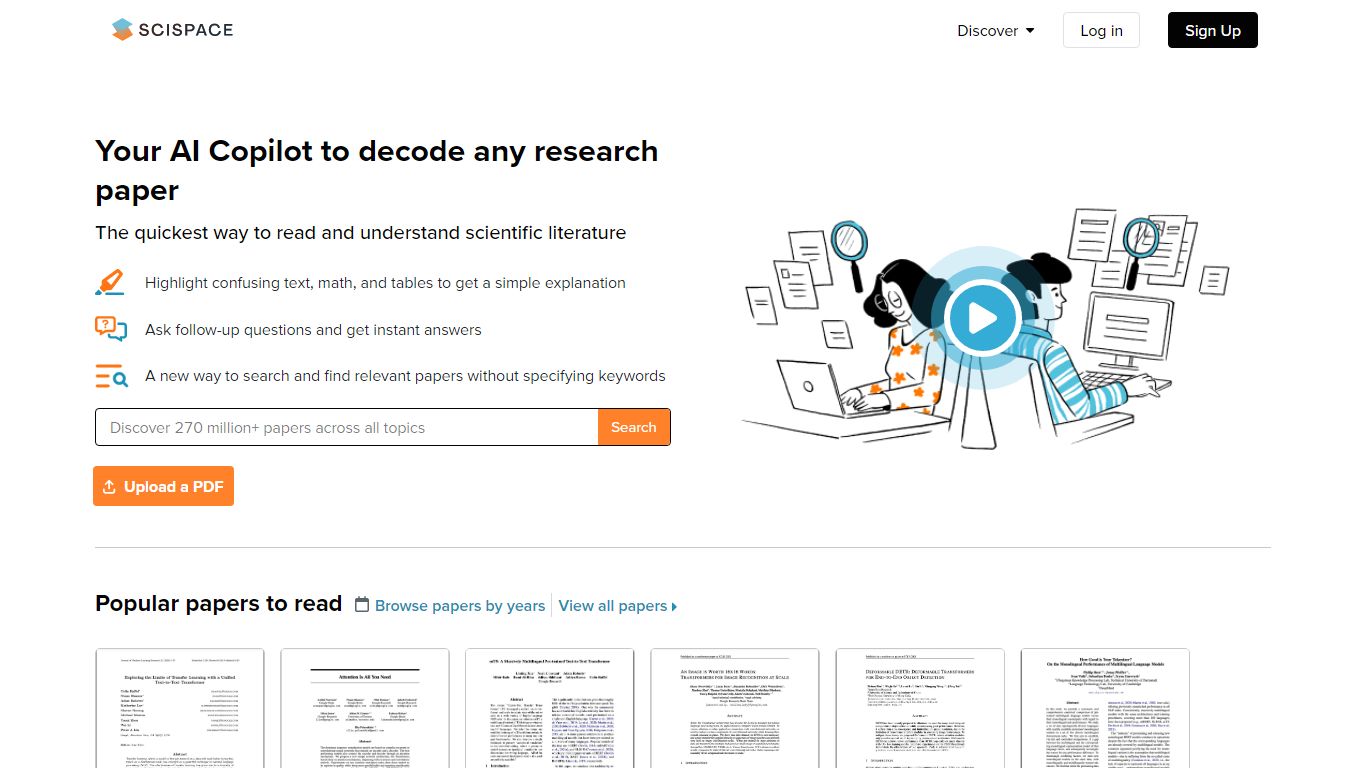
What is Typeset?
Your platform to explore and explain papers. Search for 270M+ papers, understand them in simple language, and find connected papers, authors, topics.
SermonGPT Upvotes
Typeset Upvotes
SermonGPT Category
- Summarizer
Typeset Category
- Summarizer
SermonGPT Pricing Type
- Freemium
Typeset Pricing Type
- Free