SQL-Ease vs SDF
Explore the showdown between SQL-Ease vs SDF and find out which AI SQL tool wins. We analyze upvotes, features, reviews, pricing, alternatives, and more.
When comparing SQL-Ease and SDF, which one rises above the other?
When we contrast SQL-Ease with SDF, both of which are exceptional AI-operated sql tools, and place them side by side, we can spot several crucial similarities and divergences. Neither tool takes the lead, as they both have the same upvote count. Be a part of the decision-making process. Your vote could determine the winner.
Not your cup of tea? Upvote your preferred tool and stir things up!
SQL-Ease

What is SQL-Ease?
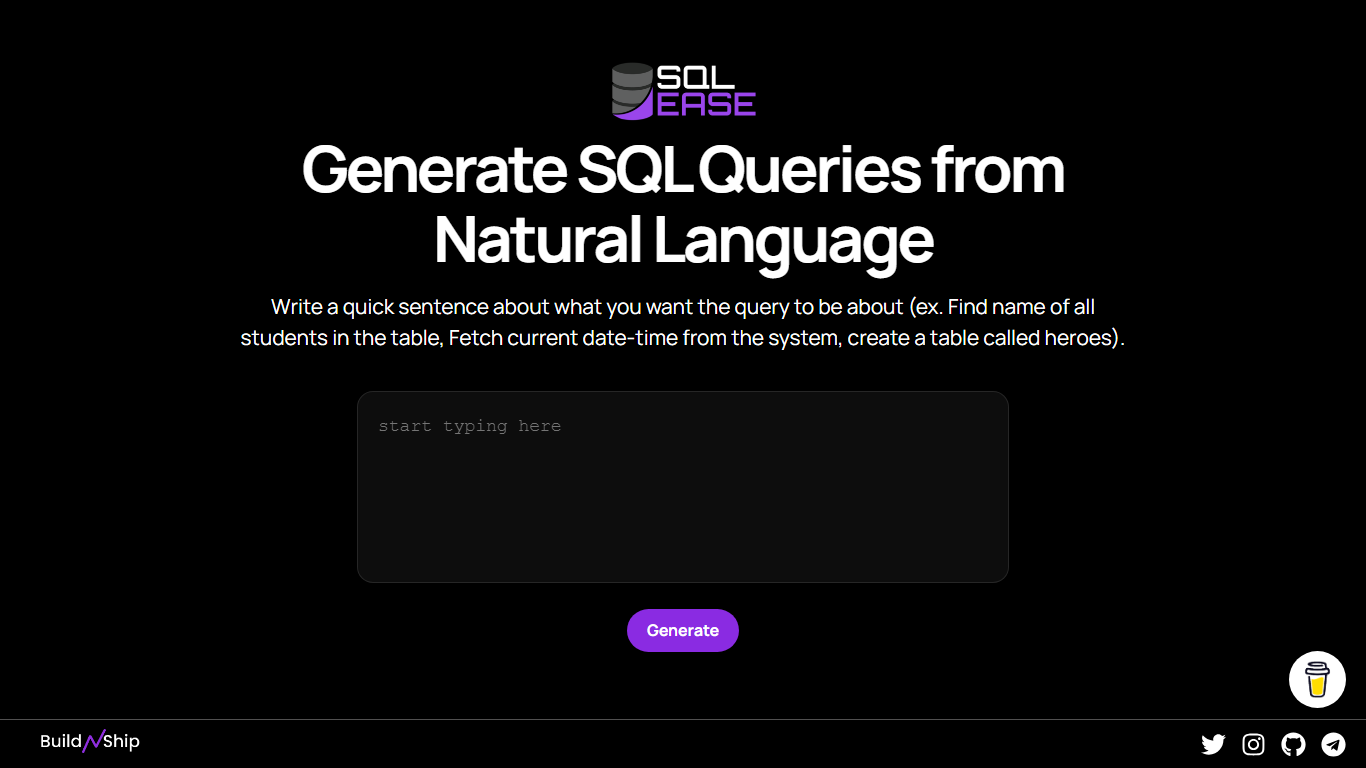
SQL-Ease is a lightweight SQL helper that turns a plain-English sentence into a query from a single browser page. You type what you want, such as finding student names, fetching the current date-time, or creating a table called heroes, and hit Generate to get SQL back.
The interface is intentionally minimal compared with full database clients or schema explorers. There is no account gate, no visible pricing page, and no workflow beyond one text box and a generate button, which makes it closer to a quick scratchpad than a managed data platform.
SQL-Ease is built by BuildNShip and linked from the homepage with a support tip jar. It suits learners, analysts, or developers who want a fast NL-to-SQL draft without opening a heavier SQL editor.
SDF
What is SDF?
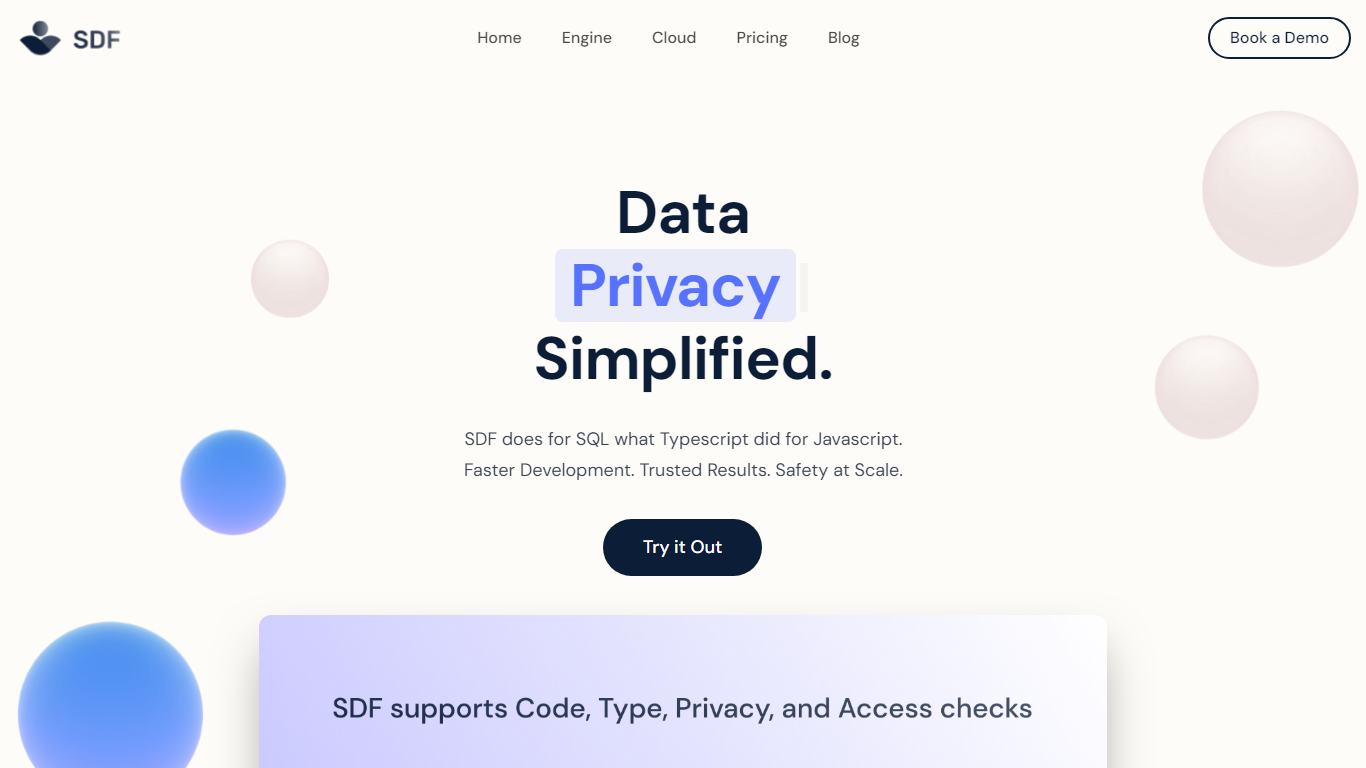
SDF is a SQL comprehension engine that reads warehouse SQL, builds intermediate representations of each query, and flags mistakes before anything runs. It sits in the analytics stack between raw SQL text and the database, giving teams compile-time insight into syntax, types, and downstream column shapes.
Most SQL linters stop at surface syntax. SDF works through three stacked levels: parsing into a syntax tree, compiling a logical plan with function signatures and return types, and executing a physical plan when data-level checks matter. That ladder catches wrong argument order on Snowflake dateadd calls and impossible cast dates that parsers alone would miss, which is why dbt Labs bought SDF Labs to embed the engine inside dbt rather than bolt on another string preprocessor.
Analytics engineers and dbt developers use SDF to harden large warehouse projects, trace column-level lineage, and ship transformations with fewer surprise runtime failures. Since the mid-2024 GA launch, sdf.com routes visitors to dbt Labs pages explaining how the acquisition folds SDF into the next dbt engine.
SQL-Ease Upvotes
SDF Upvotes
SQL-Ease Top Features
Single text field accepts a plain-English sentence and returns a generated SQL query
Homepage examples cover SELECT lookups, system date-time fetches, and CREATE TABLE statements
Runs entirely in the browser with no signup form on the landing page
Published by BuildNShip with links to the parent site and a tip-jar support page
Detected stack includes Tailwind CSS, Google Fonts, and Font Awesome on sqlease.buildnship.in
SDF Top Features
Three SQL comprehension levels: parsing syntax trees, compiling logical plans, and executing physical plans
Level 2 compilation validates Snowflake function signatures and catches wrong dateadd argument order before runtime
dbt Labs acquisition targets true column-level lineage inside dbt projects
Static analysis flags impossible casts such as January 32 dates that parsers approve
Logical plans infer column return types without executing warehouse queries
SQL-Ease Category
- SQL
SDF Category
- SQL
SQL-Ease Pricing Type
- Free
SDF Pricing Type
- Paid