Stellaris AI vs ChatGPT Plugins
Compare Stellaris AI vs ChatGPT Plugins and see which AI Large Language Model (LLM) tool is better when we compare features, reviews, pricing, alternatives, upvotes, etc.
Which one is better? Stellaris AI or ChatGPT Plugins?
When we compare Stellaris AI with ChatGPT Plugins, which are both AI-powered large language model (llm) tools, With more upvotes, ChatGPT Plugins is the preferred choice. ChatGPT Plugins has garnered 13 upvotes, and Stellaris AI has garnered 6 upvotes.
Don't agree with the result? Cast your vote and be a part of the decision-making process!
Stellaris AI

What is Stellaris AI?
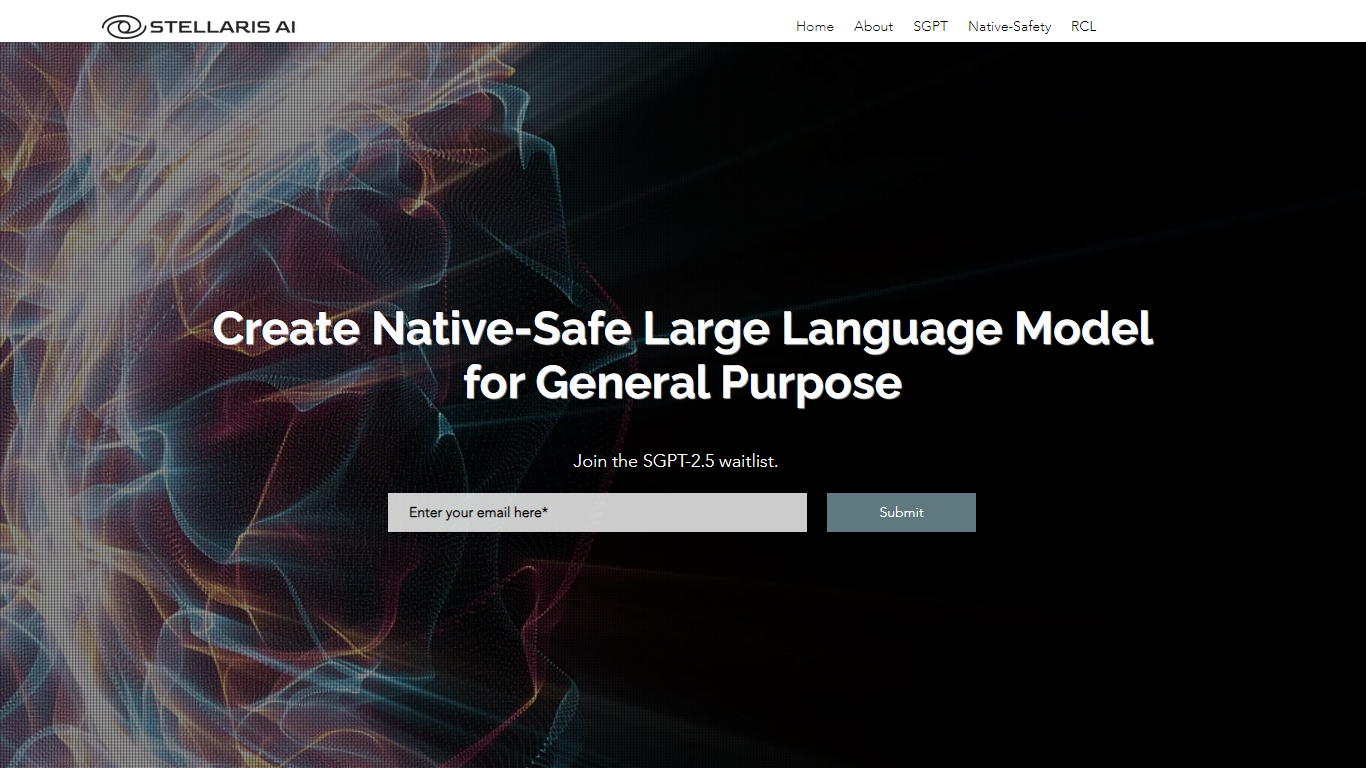
Stellaris AI builds large language models marketed around native safety and human-like reasoning for real-world tasks. Its flagship SGPT line targets text and code generation, knowledge Q&A, logical reasoning, and analytics at a scale the company describes as hundreds of billions of parameters. The public site centers on a waitlist for SGPT-4.5 rather than a self-serve chat product you can open today.
Where many LLM labs bolt safety filters on after training, Stellaris AI frames safety as part of the model stack through strict source referencing and harm minimization in the architecture. It also highlights Real-time Context Learning (RCL) for adapting answers with live knowledge, a combination aimed at teams that want cited outputs instead of unchecked generation.
Researchers, enterprise AI teams, and early adopters join the SGPT-4.5 waitlist for first access. The company cites 10+ years of research and three core product pillars: Stellaris GPT, Native Safety, and RCL.
ChatGPT Plugins
What is ChatGPT Plugins?
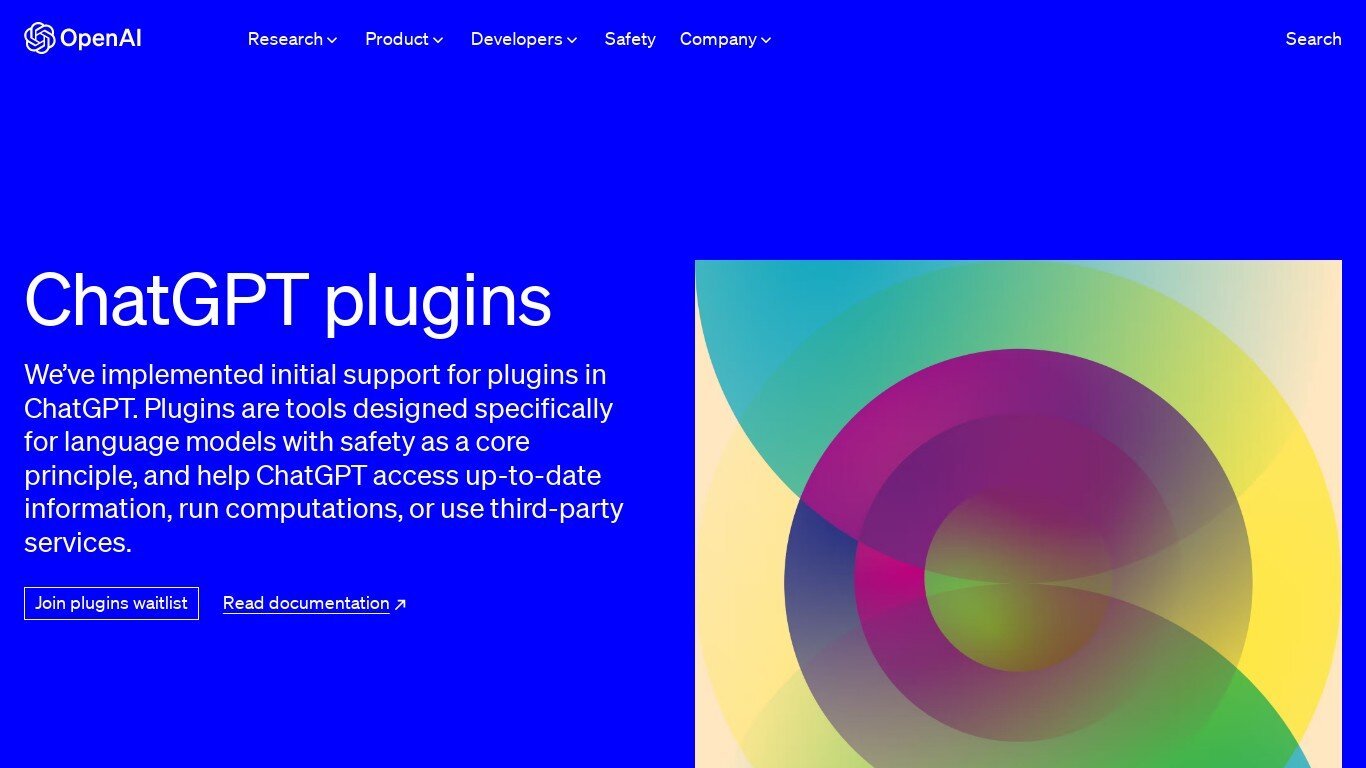
ChatGPT Plugins was OpenAI's 2023 extension system that let ChatGPT call third-party APIs for live data, calculations, and external services. Plugins appeared as tools the model could invoke during a conversation after users enabled them in ChatGPT. OpenAI's March 2023 announcement listed launch partners including Expedia, Instacart, KAYAK, Klarna, OpenTable, Shopify, Slack, Wolfram, and Zapier.
The beta also shipped OpenAI-built plugins for web browsing via Bing, a sandboxed Python code interpreter, and an open-source retrieval plugin for private document search. Developers published plugins through a manifest file and OpenAPI spec, and ChatGPT Plus subscribers were the first users to enable them in chat.
OpenAI deprecated the plugin beta in favor of custom GPTs. The official blog page now states plugins have been deprecated, and OpenAI ended new plugin conversations on March 19, 2024, with full shutdown on April 9, 2024. GPTs with custom actions replaced the integration model for developers and ChatGPT users.
Stellaris AI Upvotes
ChatGPT Plugins Upvotes
Stellaris AI Top Features
SGPT models described at 100B+ parameters for text, code, and reasoning tasks
Native Safety framework with strict source referencing and harm minimization
Real-time Context Learning (RCL) for live knowledge integration
Three product pillars: Stellaris GPT, Native Safety, and RCL
SGPT-4.5 waitlist open for early access signups on the homepage
ChatGPT Plugins Top Features
Third-party plugins from 12 launch partners including Shopify, Slack, and Wolfram
OpenAI web browsing plugin using the Bing search API with source citations
Sandboxed Python code interpreter for math, data analysis, and file conversion
Open-source retrieval plugin supporting vector databases like Pinecone and Milvus
Plugin manifest plus OpenAPI spec defined each integration for the language model
Users chose which enabled plugins appeared in each ChatGPT conversation
Stellaris AI Category
- Large Language Model (LLM)
ChatGPT Plugins Category
- Large Language Model (LLM)
Stellaris AI Pricing Type
- Freemium
ChatGPT Plugins Pricing Type
- Paid