Stytch vs Cosine
In the contest of Stytch vs Cosine, which AI Developer tool is the champion? We evaluate pricing, alternatives, upvotes, features, reviews, and more.
If you had to choose between Stytch and Cosine, which one would you go for?
When we examine Stytch and Cosine, both of which are AI-enabled developer tools, what unique characteristics do we discover? The upvote count favors Cosine, making it the clear winner. The number of upvotes for Cosine stands at 7, and for Stytch it's 6.
Think we got it wrong? Cast your vote and show us who's boss!
Stytch

What is Stytch?
Stytch gives developers one API for login, authorization, and fraud checks in B2B and consumer apps. You add passkeys, SSO, SCIM, MFA, and machine-to-machine tokens without stitching Auth0-style add-ons to a separate risk vendor.
Where many auth platforms gate enterprise features behind sales calls, Stytch includes SSO, RBAC, and multi-tenancy in its pay-as-you-go tier with 10,000 monthly active users included. It also ships an embeddable admin portal so customers configure SAML and SCIM themselves.
Backend engineers, platform teams, and AI product builders use Stytch after Twilio acquired it to cover human users and agent identities in the same stack.
Cosine
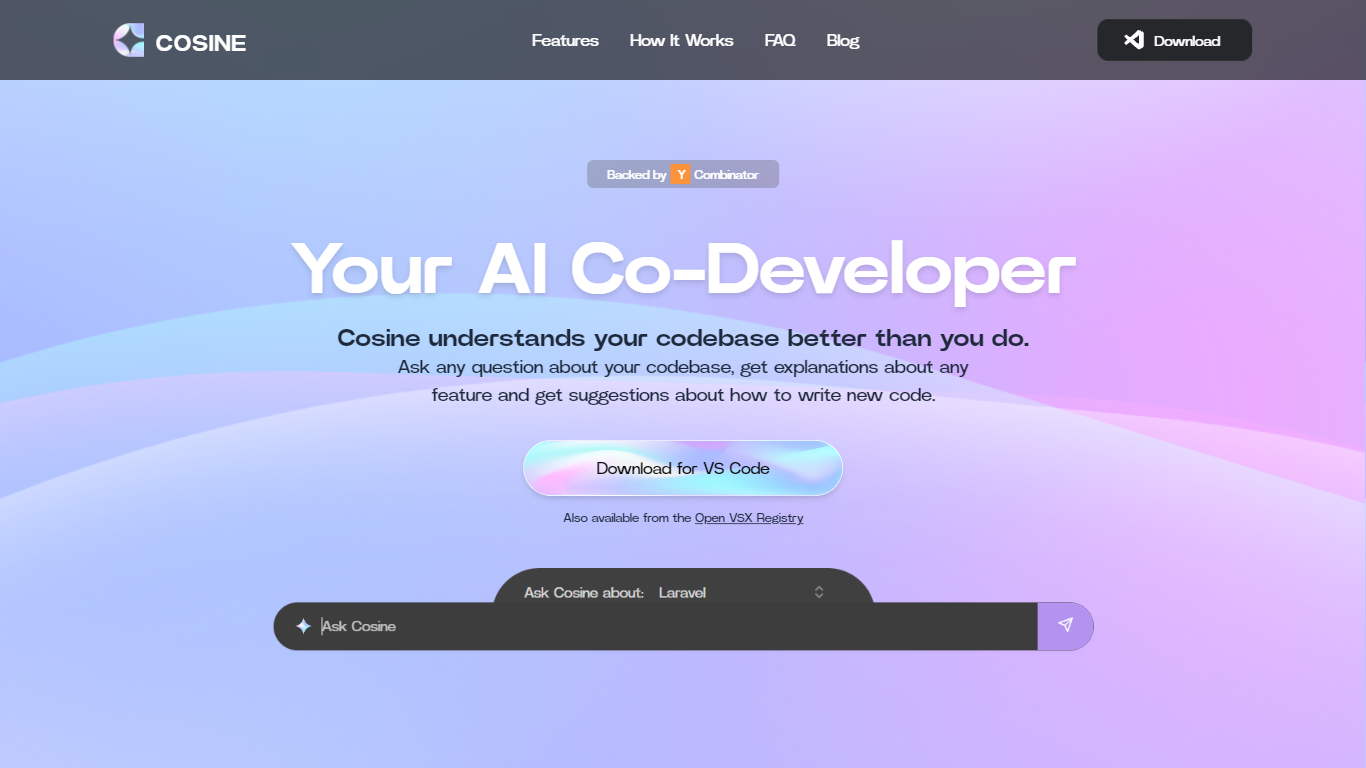
What is Cosine?
Cosine ships the Lumen family of coding models and a developer workspace for teams that want AI close to their repos. You can start in a terminal-native flow with MCP tool access and multi-agent orchestration, or run parallel cloud tasks when PMs and engineers need a shared project view.
General chat models spread training across poetry and trivia; Cosine bets the opposite with Lumen models post-trained on production code from real engineering teams. Lumen Outpost scored 59.3% on Niche-Bench in Cosine's published comparisons, ahead of GPT-5.4 at 42.4%, and the lineup adds Scout for cheap codebase mapping plus a forthcoming Sovereign tier for controlled environments.
Developer teams, platform engineers, and regulated orgs use Cosine when they need deployment choice from public cloud to managed single-tenant or fully air-gapped installs. Pricing starts at $19 per month for 4M credits on the Starter plan, with Team and Enterprise tiers scaling credits and lowering per-million add-on rates.
Stytch Upvotes
Cosine Upvotes
Stytch Top Features
10,000 monthly active users included on the free pay-as-you-go tier
5 SSO or SCIM connections included before $125 per extra connection
1,000 machine-to-machine tokens included on the free tier
Embeddable admin portal for customer self-serve SSO setup
99.99% bot detection accuracy advertised on the homepage
Pre-built web and mobile login UI components
Full email brand removal add-on priced at $99
Cosine Top Features
Lumen Outpost scored 59.3% on Niche-Bench in Cosine's published benchmark table
Starter plan includes 4M credits per month starting at $19 with $6.50 per 1M add-on credits
Lumen Scout post-trained from Devstral 123B for low-cost codebase mapping tasks
Terminal-native workflow supports MCP tool access and multi-agent orchestration
Deployment options span public cloud, managed single-tenant, and fully air-gapped installs
Post-training targets enterprise languages including COBOL, Fortran, Verilog, Rust, and complex SQL
Stytch Category
- Developer
Cosine Category
- Developer
Stytch Pricing Type
- Freemium
Cosine Pricing Type
- Freemium