SvectorDB vs STRING
Explore the showdown between SvectorDB vs STRING and find out which AI Data Science tool wins. We analyze upvotes, features, reviews, pricing, alternatives, and more.
When comparing SvectorDB and STRING, which one rises above the other?
When we contrast SvectorDB with STRING, both of which are exceptional AI-operated data science tools, and place them side by side, we can spot several crucial similarities and divergences. Interestingly, both tools have managed to secure the same number of upvotes. You can help us determine the winner by casting your vote and tipping the scales in favor of one of the tools.
You don't agree with the result? Cast your vote to help us decide!
SvectorDB

What is SvectorDB?
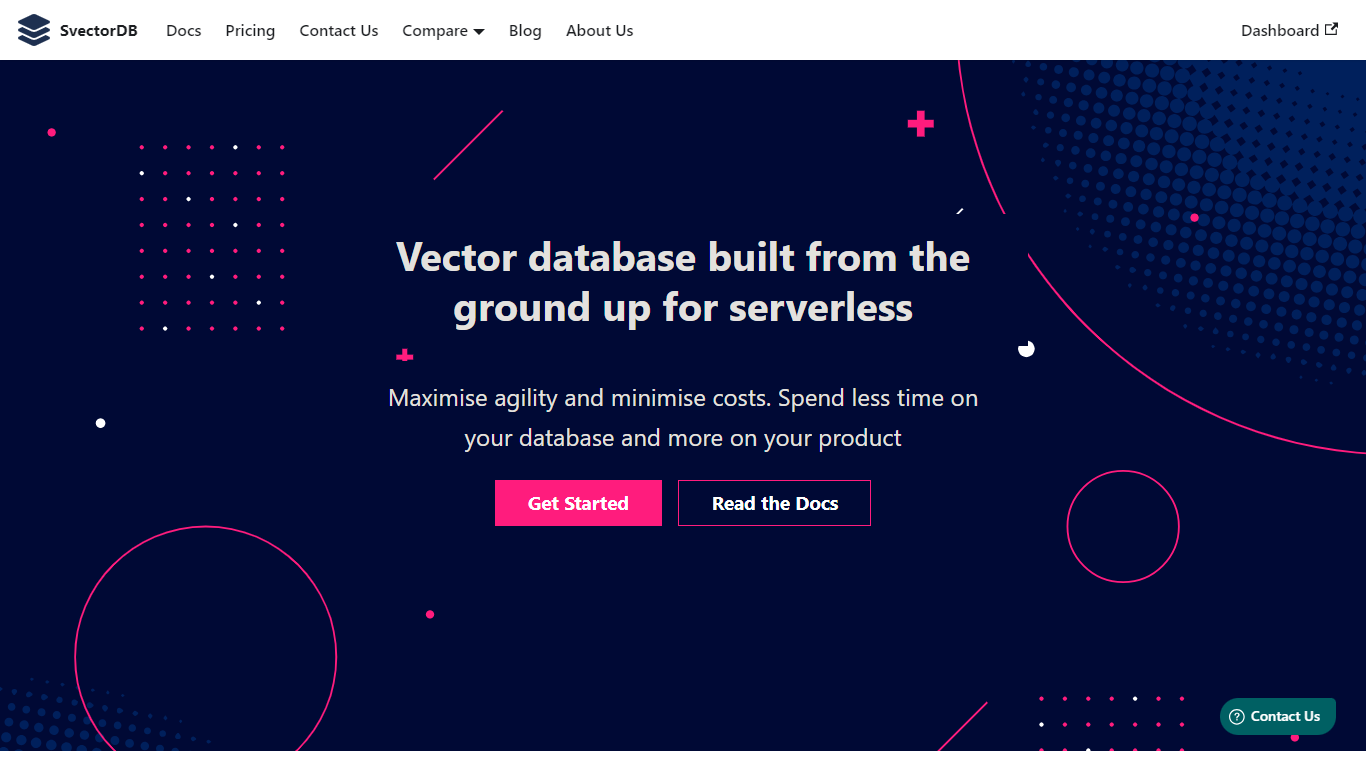
SvectorDB is a serverless vector database built for AWS. It stores vectors, keys, and values, then runs similarity search and hybrid filters so you can ship recommendation engines, semantic search, and RAG without running your own database cluster.
The service uses pay-per-request pricing with no provisioning or scaling steps. Upserts and deletes show up immediately, and you can filter results with Lucene-style key-value queries alongside vector distance. Built-in text and image embedders cover common models, or you can bring your own vectors from any source.
Official clients ship for JavaScript/TypeScript and Python, with an OpenAPI spec for other languages. Sandbox databases let you start free with up to 10 indexes and 5,000 records each, and CloudFormation templates fit into existing AWS workflows.
STRING
What is STRING?
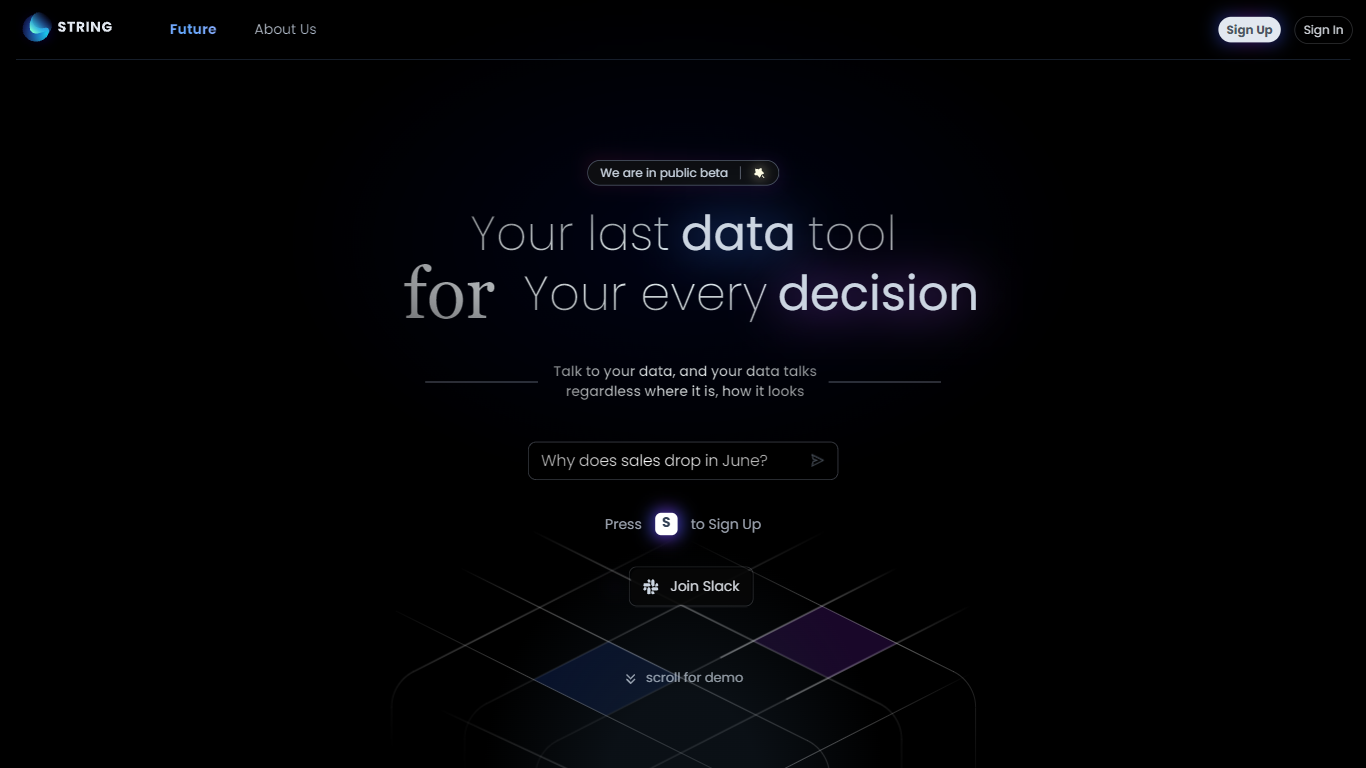
STRING lets you talk to your data through a conversational analytics interface marketed as your last data tool. You sign up for the public beta, connect sources wherever they live, and ask questions in natural language instead of building dashboards first. The product pitch centers on decisions: your data answers back regardless of format or location.
Legacy BI stacks expect hours of SQL and chart assembly before you get a useful answer. STRING's team, with backgrounds at Google, Uber, CMU, and UW, frames the product around AGI-style analytics that listens, understands unstructured text, and takes initiative beyond rigid queries. The Future page contrasts this with older tools that crunch structured tables slowly.
Data analysts, product managers, and operators who want quick answers without standing up a full BI project fit STRING best. It is still in public beta with Slack community access, so teams should expect evolving features rather than a finished enterprise contract page.
SvectorDB Upvotes
STRING Upvotes
SvectorDB Top Features
Hybrid search mixes vector similarity with Lucene-style key-value filters
Upserts and deletes land instantly with no eventual consistency lag
Built-in embedders handle text and images, or bring your own vectors
Pay only per read, write, and stored GB with no minimum fees
Sandbox tier gives 10 free databases at 5,000 records each, no card needed
CloudFormation templates plug into existing AWS infrastructure setups
JavaScript, Python, and OpenAPI clients cover most integration paths
STRING Top Features
Natural language interface to query data without pre-built dashboard workflows
Public beta signup with Slack community invite for early users
Designed to handle structured databases and unstructured sources like docs and notes
Team includes alumni from Google, Uber, Carnegie Mellon, and University of Washington
Slack community invite linked on homepage for public beta testers
Future roadmap targets proactive analytics that initiates insights beyond user prompts
SvectorDB Category
- Data Science
STRING Category
- Data Science
SvectorDB Pricing Type
- Freemium
STRING Pricing Type
- Freemium