TED SMRZR vs SciSpace (formerly Typeset)
When comparing TED SMRZR vs SciSpace (formerly Typeset), which AI Summarizer tool shines brighter? We look at pricing, alternatives, upvotes, features, reviews, and more.
In a comparison between TED SMRZR and SciSpace (formerly Typeset), which one comes out on top?
When we put TED SMRZR and SciSpace (formerly Typeset) side by side, both being AI-powered summarizer tools, With more upvotes, SciSpace (formerly Typeset) is the preferred choice. SciSpace (formerly Typeset) has 24 upvotes, and TED SMRZR has 6 upvotes.
Think we got it wrong? Cast your vote and show us who's boss!
TED SMRZR

What is TED SMRZR?
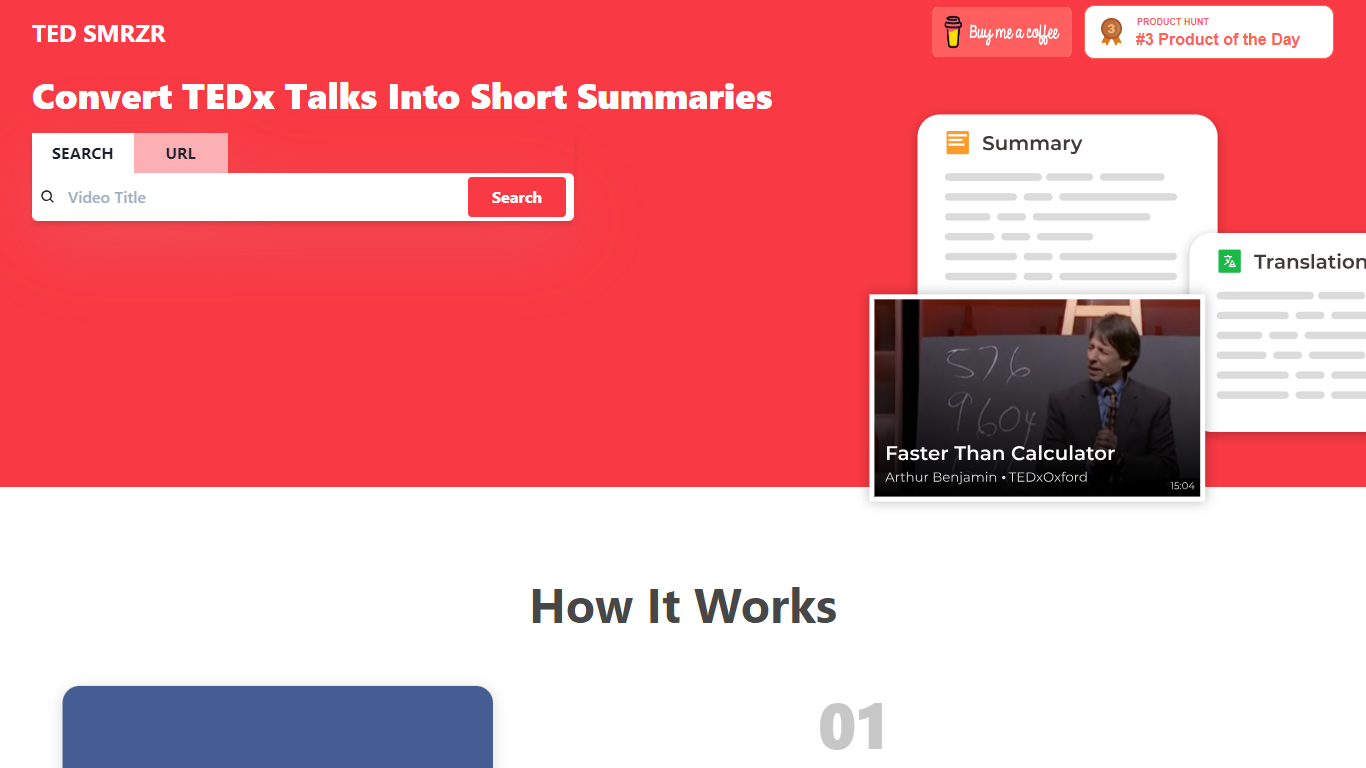
TED SMRZR converts TED and TEDx talks into short, readable summaries. You search by keyword or paste a talk URL, and the tool fetches the YouTube transcript, punctuates it with AI, then generates a concise summary you can read in place of watching the full video.
The workflow has three steps: fetch the unpunctuated transcript from the TEDx video on YouTube, run it through an AI model for punctuation, then send the cleaned text to another AI model for summarization. You can also compare summaries across multiple talks and read translated versions in different languages.
TED SMRZR is a free web app built by a small team. It focuses on making long TED talks faster to consume through punctuated transcripts and AI-generated summaries.
SciSpace (formerly Typeset)
What is SciSpace (formerly Typeset)?
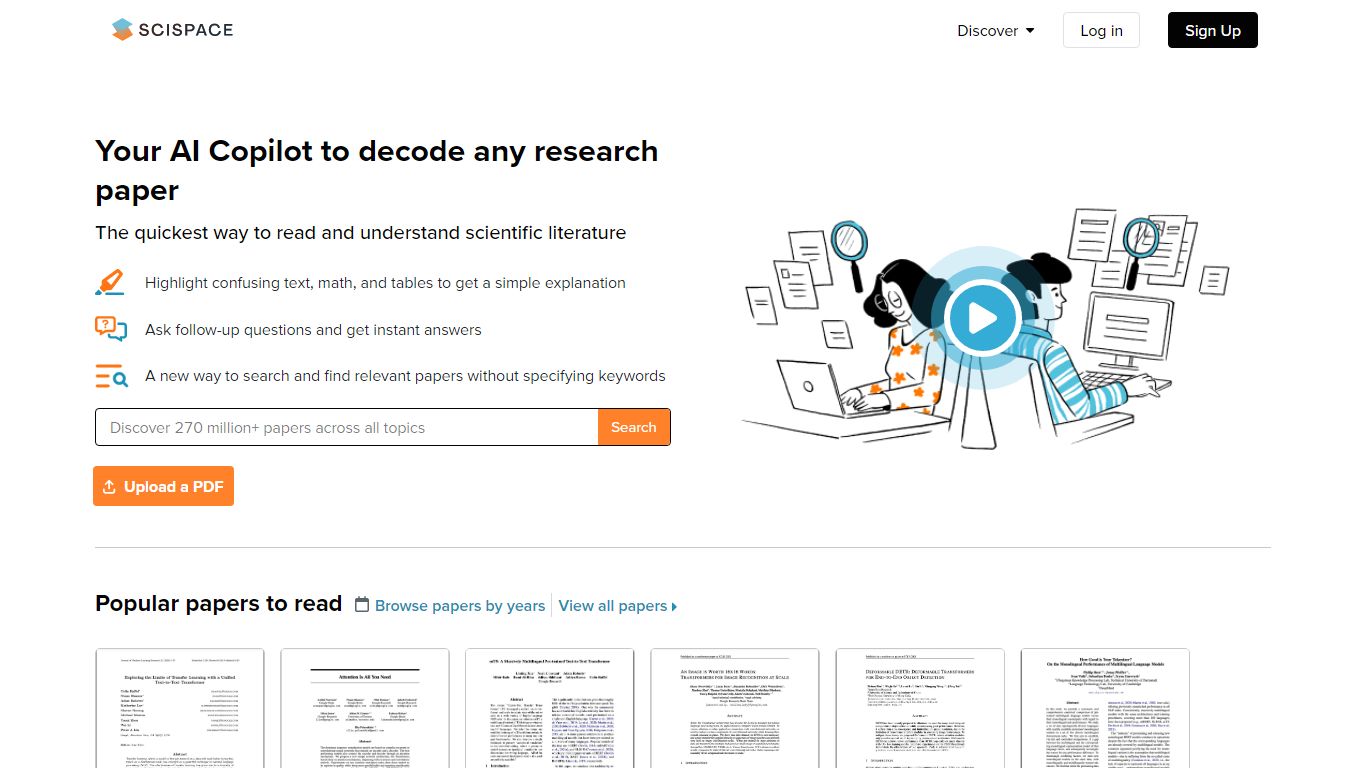
SciSpace, formerly Typeset, is a research workspace where you search a large academic paper index, chat with PDFs, and draft literature reviews with cited sources. The typeset.io URL now lands on scispace.com, which bundles an AI agent, literature review search, paraphraser, citation generator, data extraction, and AI detection in one interface.
General AI chat tools answer from the open web. SciSpace centers the workflow on papers: you can run systematic reviews across 280M+ indexed works, highlight passages for explanations, and move from reading into AI Writer drafts with references. Biomedical Agent, enterprise recruiting, and Chrome or mobile apps extend the same stack for labs and R&D teams.
Graduate students, PhD researchers, and pharma or biotech analysts use SciSpace to screen literature faster, unpack dense PDFs, and produce summaries or manuscripts with traceable citations. The platform reports adoption by 9.6 million researchers and lists SOC 2 compliance on its site.
TED SMRZR Upvotes
SciSpace (formerly Typeset) Upvotes
TED SMRZR Top Features
Search TED and TEDx talks by keyword or paste a YouTube URL to generate a summary
Fetch raw YouTube transcripts and punctuate them with AI for readable text
Generate short AI summaries from punctuated transcript data
Compare summaries across multiple TED talks side by side
Read translated versions of summarized talks in different languages
Free web app with no account required to search and summarize
SciSpace (formerly Typeset) Top Features
Search and review literature across 280M+ indexed research papers
Chat with PDF highlights for plain-language explanations of dense sections
SciSpace Agent plus Biomedical Agent for guided research tasks
Built-in paraphraser, citation generator, AI detector, and data extraction tools
AI Writer and templates for drafting papers with cited sources
Chrome extension and mobile app for reading outside the browser tab
Premium plans with a 24-hour money-back guarantee on subscriptions
TED SMRZR Category
- Summarizer
SciSpace (formerly Typeset) Category
- Summarizer
TED SMRZR Pricing Type
- Free
SciSpace (formerly Typeset) Pricing Type
- Freemium