Vizly vs DeepFaceLab
Dive into the comparison of Vizly vs DeepFaceLab and discover which AI Data Science tool stands out. We examine alternatives, upvotes, features, reviews, pricing, and beyond.
When comparing Vizly and DeepFaceLab, which one rises above the other?
When we compare Vizly and DeepFaceLab, two exceptional data science tools powered by artificial intelligence, and place them side by side, several key similarities and differences come to light. Both tools are equally favored, as indicated by the identical upvote count. Join the aitools.fyi users in deciding the winner by casting your vote.
Not your cup of tea? Upvote your preferred tool and stir things up!
Vizly
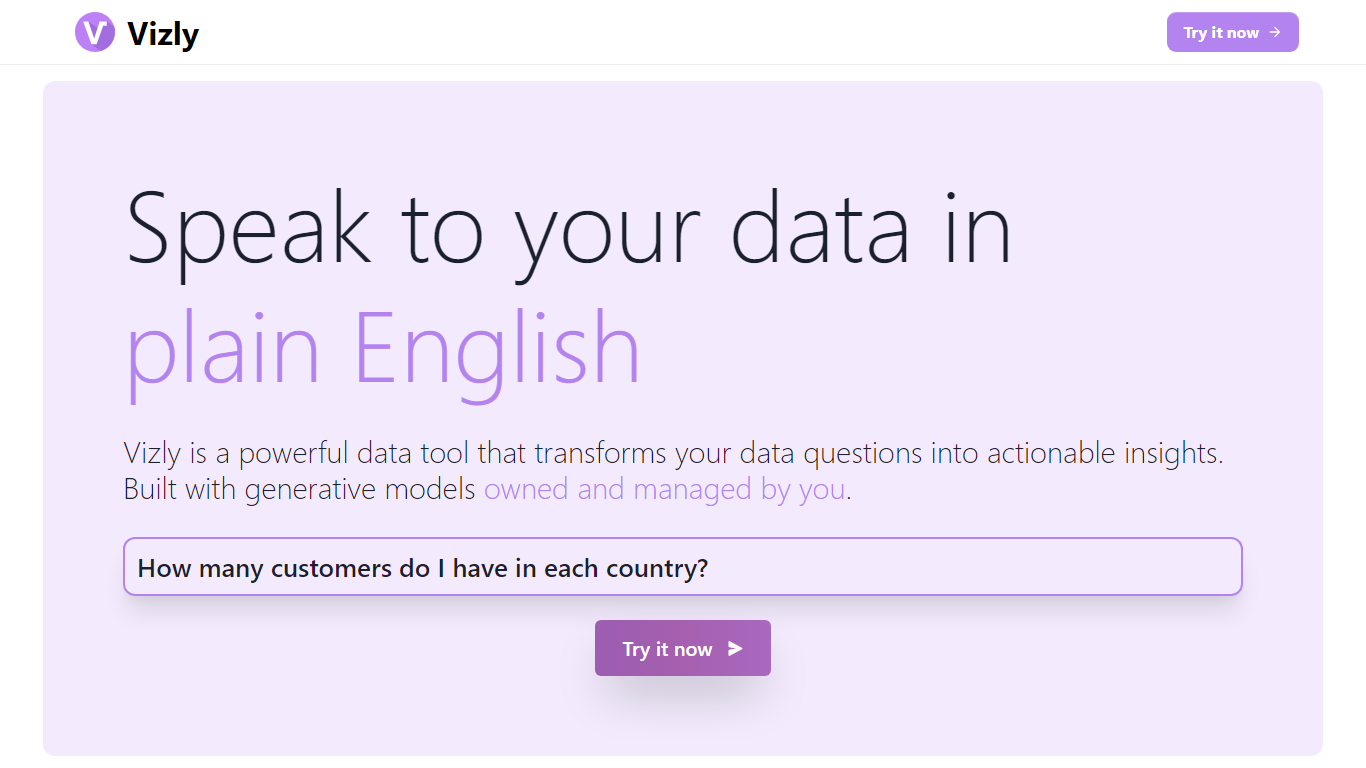

What is Vizly?
Vizly turns spreadsheet uploads into charts and statistical answers through a chat interface. Upload Excel, CSV, or SPSS files, ask questions in plain language, and get interactive Plotly visualizations, regression lines, and correlation matrices back. A private Python sandbox handles machine learning when you need more than summary stats.
Where Tableau and Looker focus on dashboards you configure by hand, Vizly leans on conversational analysis. You describe what you want to know and the app generates visuals on the fly. The trade-off is less pixel-perfect dashboard control in exchange for faster exploratory analysis.
Vizly suits students, analysts, and researchers in healthcare, finance, and genetics who need quick charts without writing notebook code. Premium adds unlimited messages, persistent files between sessions, and high-performance coding environments for heavier workloads.
DeepFaceLab
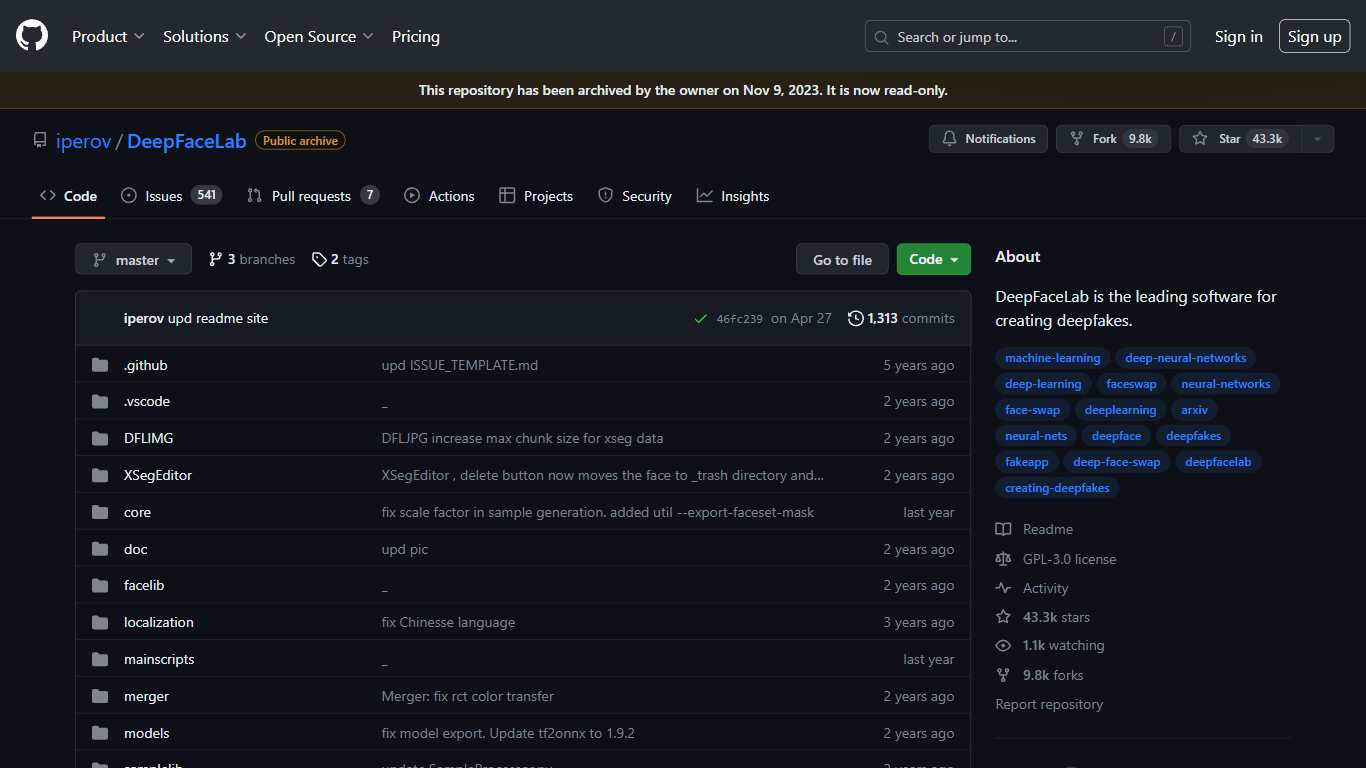
What is DeepFaceLab?
DeepFaceLab trains and runs deepfake face swaps on your own GPU through a full Python pipeline you control locally. Extract faces from source and destination videos, train a neural network model, and merge the swapped face back into footage at resolutions up to 512 pixels and beyond.
Unlike cloud deepfake apps that hide the pipeline, DeepFaceLab gives you every stage, including S3FD face extraction, XSeg masking, and model architectures like SAEHD. That depth comes with a steep learning curve: the README warns there is no one-click fix and expects comfort with After Effects or DaVinci Resolve for finishing work.
VFX artists, YouTube creators, and researchers who need local, GPU-based face replacement are the core audience. The repository was archived read-only on November 13, 2024, but the code, Windows builds, and 19,300+ GitHub stars remain accessible. The related DeepFaceLive project handles real-time streaming swaps separately.
Vizly Upvotes
DeepFaceLab Upvotes
Vizly Top Features
Chat interface generates Plotly visualizations and statistical analysis from uploaded files
Supports Excel, CSV, and SPSS with built-in data cleaning tools
Private Python code sandbox for machine learning and predictive modeling
Premium plan offers unlimited messages and persistent files between sessions
Use-case templates for healthcare, finance, and genetic research workflows
DeepFaceLab Top Features
19,300+ GitHub stars with 928 forks and GPL-3.0 open-source license
Face replacement, de-aging, and full head swap workflows with native resolution training
S3FD face extractor and XSeg editor for precise face masking
Windows builds distributed via torrent and Mega.nz; Linux port available
Built on TensorFlow with CUDA and DirectX GPU acceleration
Related DeepFaceLive project adds real-time face swap for streaming and video calls
Vizly Category
- Data Science
DeepFaceLab Category
- Data Science
Vizly Pricing Type
- Freemium
DeepFaceLab Pricing Type
- Free