SummYT (formerly YouTube Summarized) vs SciSpace (formerly Typeset)
Dive into the comparison of SummYT (formerly YouTube Summarized) vs SciSpace (formerly Typeset) and discover which AI Summarizer tool stands out. We examine alternatives, upvotes, features, reviews, pricing, and beyond.
In a comparison between SummYT (formerly YouTube Summarized) and SciSpace (formerly Typeset), which one comes out on top?
When we compare SummYT (formerly YouTube Summarized) and SciSpace (formerly Typeset), two exceptional summarizer tools powered by artificial intelligence, and place them side by side, several key similarities and differences come to light. SciSpace (formerly Typeset) is the clear winner in terms of upvotes. The number of upvotes for SciSpace (formerly Typeset) stands at 24, and for SummYT (formerly YouTube Summarized) it's 6.
Disagree with the result? Upvote your favorite tool and help it win!
SummYT (formerly YouTube Summarized)
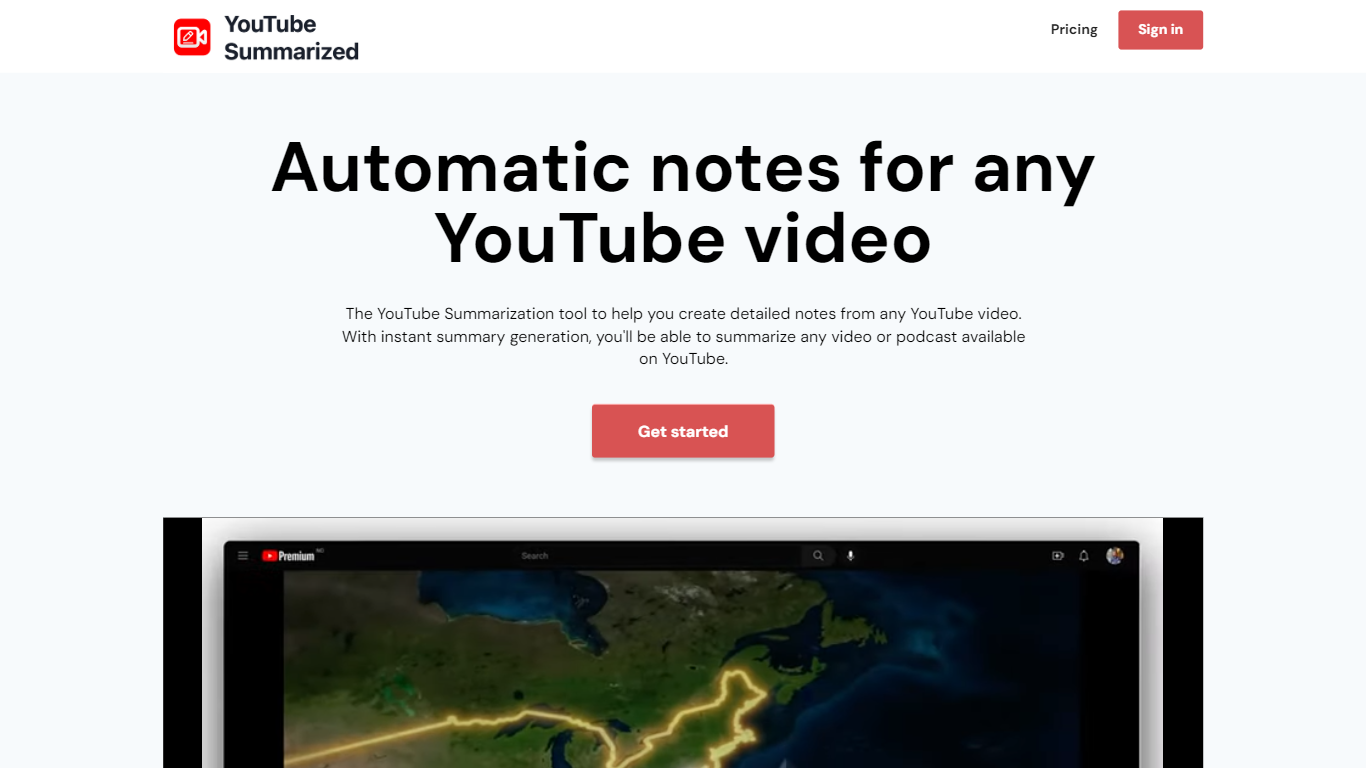

What is SummYT (formerly YouTube Summarized)?
SummYT (formerly YouTube Summarized) turns long YouTube videos into short summaries you can read in seconds. Paste a video link on summyt.app and get a skimmable recap, full transcript, and a chat panel where you can ask questions about the content. Summaries, transcripts, and chats save to a personal library so you can return without re-processing the same video.
Most YouTube summarizers give you a one-time text dump and nothing else. SummYT keeps everything in one workspace: summary, transcript, and chat tabs for the same video, plus a browser extension for Chrome and Edge that works while you are already on YouTube. That library layer matters when you are working through a lecture series or research playlist and need to reference earlier videos days later.
Students, researchers, and professionals use SummYT to preview lectures, tutorials, and interviews before committing to a full watch. The site supports English, Spanish, Portuguese, and Turkish. A playlist length calculator is also available as a separate tool. The Chrome and Edge extensions let you summarize and save videos without leaving the YouTube page.
SciSpace (formerly Typeset)
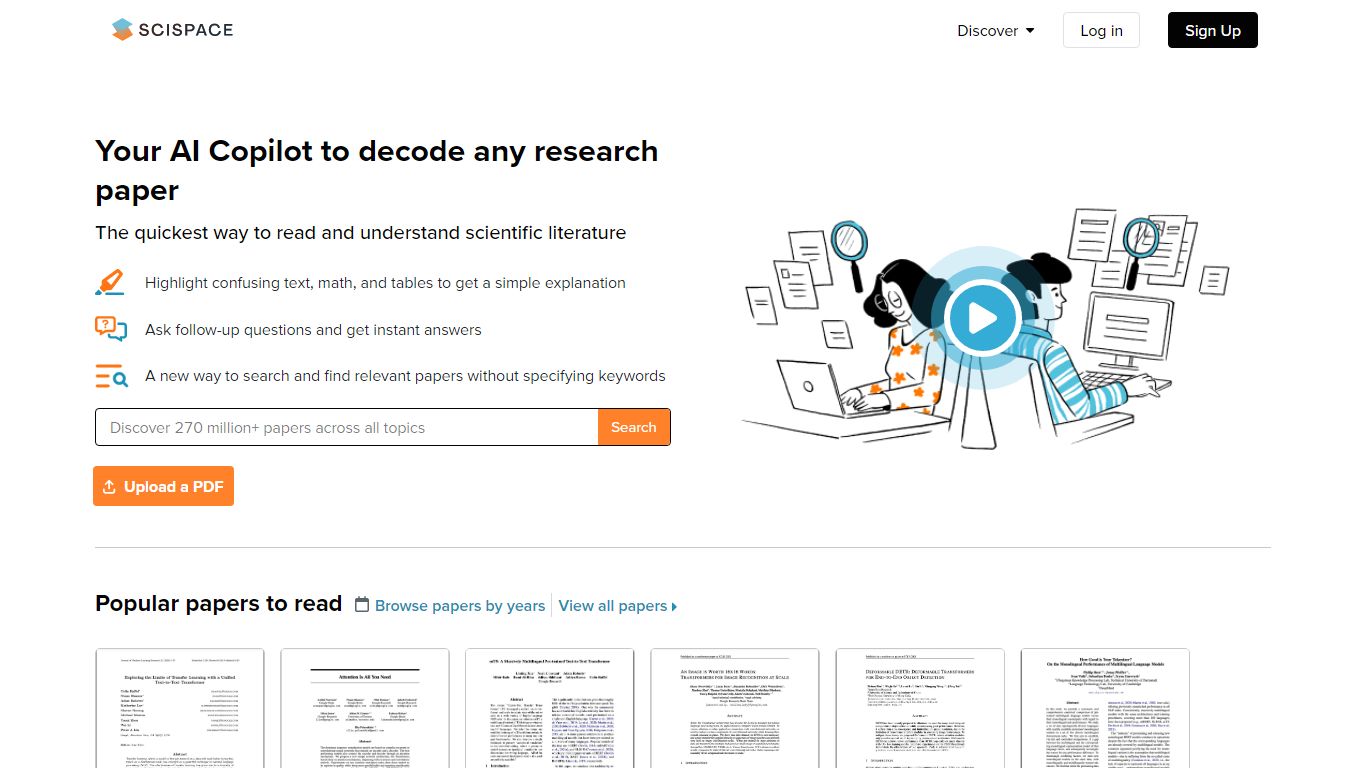
What is SciSpace (formerly Typeset)?
SciSpace, formerly Typeset, is a research workspace where you search a large academic paper index, chat with PDFs, and draft literature reviews with cited sources. The typeset.io URL now lands on scispace.com, which bundles an AI agent, literature review search, paraphraser, citation generator, data extraction, and AI detection in one interface.
General AI chat tools answer from the open web. SciSpace centers the workflow on papers: you can run systematic reviews across 280M+ indexed works, highlight passages for explanations, and move from reading into AI Writer drafts with references. Biomedical Agent, enterprise recruiting, and Chrome or mobile apps extend the same stack for labs and R&D teams.
Graduate students, PhD researchers, and pharma or biotech analysts use SciSpace to screen literature faster, unpack dense PDFs, and produce summaries or manuscripts with traceable citations. The platform reports adoption by 9.6 million researchers and lists SOC 2 compliance on its site.
SummYT (formerly YouTube Summarized) Upvotes
SciSpace (formerly Typeset) Upvotes
SummYT (formerly YouTube Summarized) Top Features
Paste a YouTube URL and get a summary, transcript, and chat in one workspace
Personal video library saves summaries, transcripts, and chats for later
Chrome and Edge browser extensions summarize videos without leaving YouTube
Chat panel lets you ask questions about the video content directly
Supports English, Spanish, Portuguese, and Turkish interfaces
Playlist length calculator tool at summyt.app/tools/playlist-calculator-youtube
SciSpace (formerly Typeset) Top Features
Search and review literature across 280M+ indexed research papers
Chat with PDF highlights for plain-language explanations of dense sections
SciSpace Agent plus Biomedical Agent for guided research tasks
Built-in paraphraser, citation generator, AI detector, and data extraction tools
AI Writer and templates for drafting papers with cited sources
Chrome extension and mobile app for reading outside the browser tab
Premium plans with a 24-hour money-back guarantee on subscriptions
SummYT (formerly YouTube Summarized) Category
- Summarizer
SciSpace (formerly Typeset) Category
- Summarizer
SummYT (formerly YouTube Summarized) Pricing Type
- Free
SciSpace (formerly Typeset) Pricing Type
- Freemium