Autofillr vs Web on Demand
Explore the showdown between Autofillr vs Web on Demand and find out which AI Web Apps tool wins. We analyze upvotes, features, reviews, pricing, alternatives, and more.
When comparing Autofillr and Web on Demand, which one rises above the other?
When we contrast Autofillr with Web on Demand, both of which are exceptional AI-operated web apps tools, and place them side by side, we can spot several crucial similarities and divergences. Interestingly, both tools have managed to secure the same number of upvotes. Your vote matters! Help us decide the winner among aitools.fyi users by casting your vote.
Not your cup of tea? Upvote your preferred tool and stir things up!
Autofillr
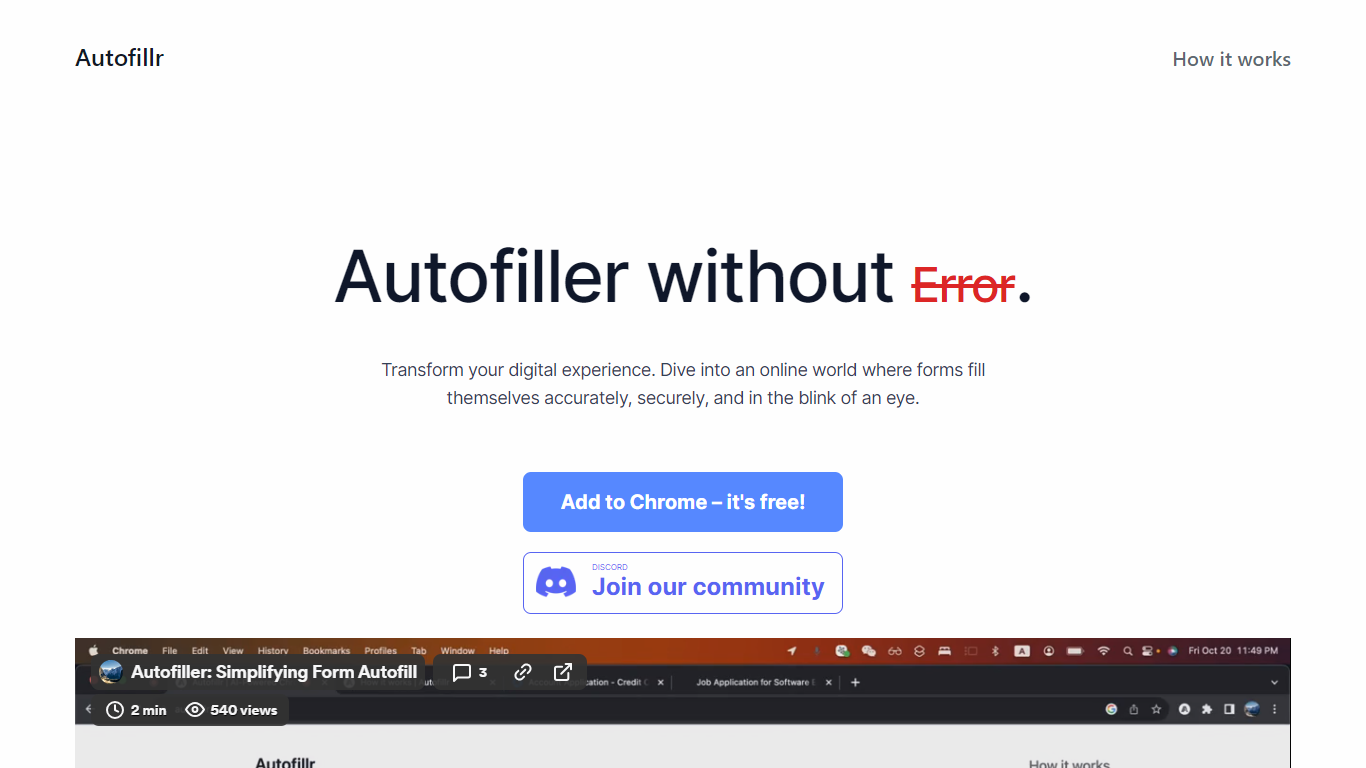

What is Autofillr?
Autofillr is a free Chrome extension that fills web forms using machine learning to read field labels and page structure. You store your personal details once in the extension options, then click Fill on any supported page to populate fields in seconds.
All profile data stays on your device. Autofillr does not transmit personal information to its servers, and staff cannot access locally stored entries. The extension may collect website visit data to improve form detection rules, as described in its privacy policy.
The product targets anyone who repeatedly enters the same details on job applications, checkout pages, and account signup flows. A Discord community is available for support, and the team also ships a related product called IdentityFill.
Web on Demand
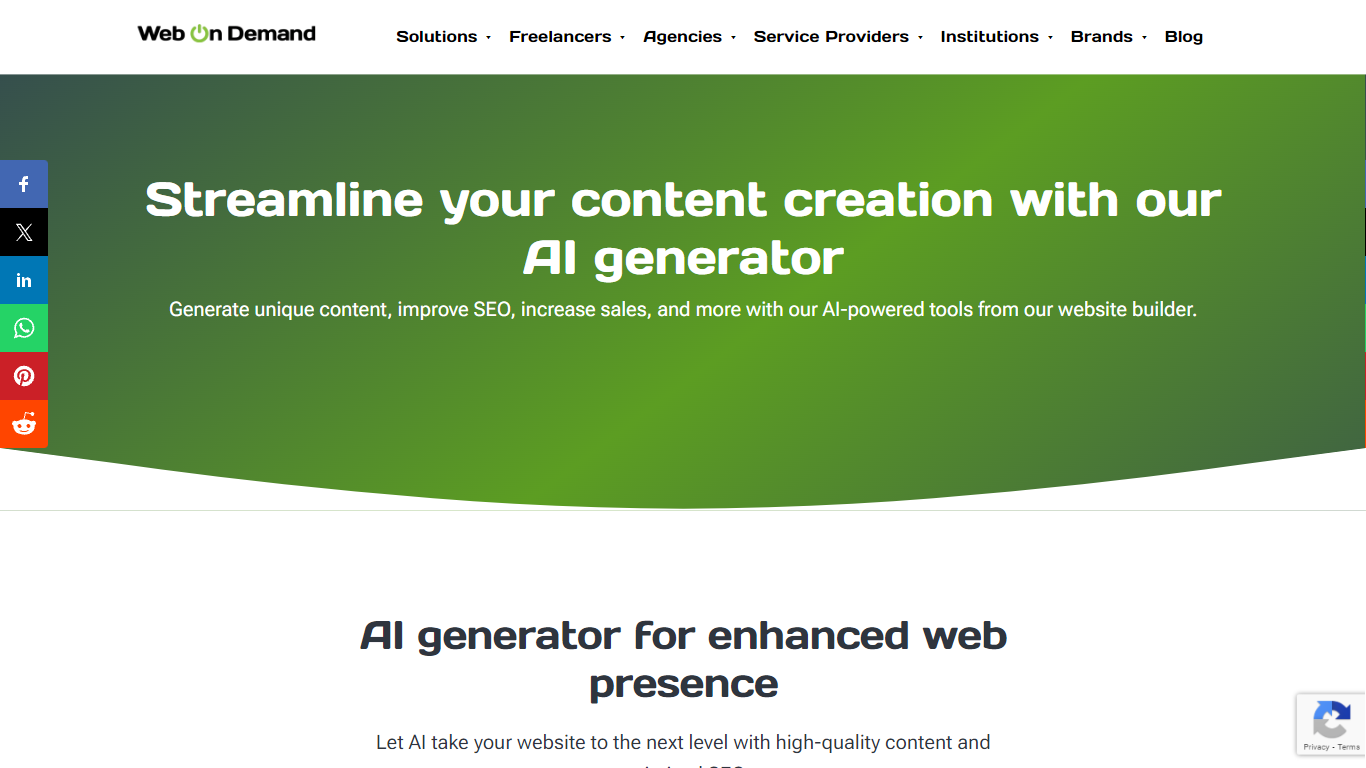
What is Web on Demand?
Web on Demand is a no-code web apps builder for agencies, freelancers, and resellers who need client sites without PHP backends or plugin stacks. It combines drag-and-drop layouts, spreadsheet-style database editing, e-commerce tools, and an AI generator for blogs, product descriptions, and SEO metadata. Sites run on HTML and CSS, and edits happen on the live page through embedded controls instead of a separate admin dashboard.
Where WordPress or Webflow charge monthly subscriptions and hide editing behind a backend, Web on Demand sells one-time licenses starting at $1,000 and lets you click text on the published page to change it. That fits white-label workflows where clients expect to update copy themselves. The trade-off is the upfront license cost and the HTML/CSS skills needed for fully custom layouts.
Freelancers, design studios, and ISP partners use it to ship e-commerce stores, landing pages, and branded website storefronts. The AI generator helps teams draft SEO-friendly blog posts and product copy without hiring a writer for every SKU. Resellers on the Storefront plan can earn a 20% share of client hosting fees sold through their store.
Autofillr Upvotes
Web on Demand Upvotes
Autofillr Top Features
Learns form layouts on the fly and fills fields from a saved profile with one click
Stores personal data locally on your device with no server upload of profile entries
Works through a Chrome toolbar icon where you pick a profile and tap Fill
Free to install from the Chrome Web Store with no account required on autofillr.com
Includes setup guides, FAQs, and a Discord server for community support
Web on Demand Top Features
Basic license costs $1,000 as a one-time payment with no recurring platform subscription
AI generator drafts full blog posts from a short prompt and suggests keywords plus meta descriptions from a page title
Edit content on the live site with embedded controls instead of logging into a backend admin panel
Import e-commerce inventory from Google Sheets or Microsoft Excel in one click
Supports 64 languages with LTR and RTL layouts on published sites
Hosting runs on AWS with HTTPS encryption included on every business plan
Autofillr Category
- Web Apps
Web on Demand Category
- Web Apps
Autofillr Pricing Type
- Free
Web on Demand Pricing Type
- Paid