Autonomous vs Pencil
In the clash of Autonomous vs Pencil, which AI E-commerce tool emerges victorious? We assess reviews, pricing, alternatives, features, upvotes, and more.
When we put Autonomous and Pencil head to head, which one emerges as the victor?
Let's take a closer look at Autonomous and Pencil, both of which are AI-driven e-commerce tools, and see what sets them apart. The upvote count is neck and neck for both Autonomous and Pencil. Join the aitools.fyi users in deciding the winner by casting your vote.
Don't agree with the result? Cast your vote and be a part of the decision-making process!
Autonomous
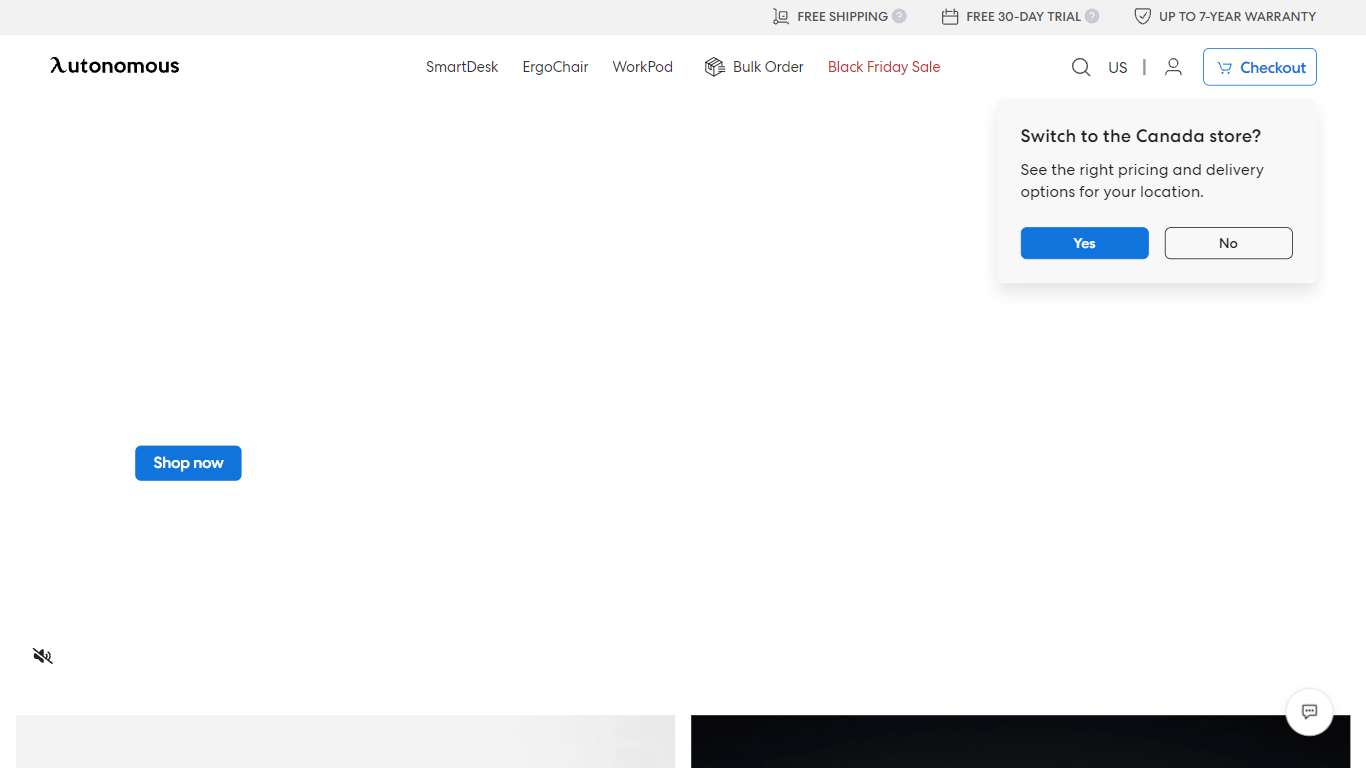

What is Autonomous?
Autonomous runs an e-commerce store for AI hardware and office furniture, selling standing desks, ergonomic chairs, backyard office pods, local AI computers, and agent devices like Harness and Intern 2. The site positions itself as an AI hardware workshop where software builders can buy finished products or open-source CAD and firmware to build their own.
Most office furniture brands stop at desks and chairs. Autonomous ships agent hardware that talks to Claude Code, Codex, and Cursor, publishes every product as open source on GitHub, and sells prefab backyard pods that skip permits in many markets. You are buying from a maker shop, not a catalog reseller.
Software engineers, remote startup teams, and home office workers shop here for gear that supports long coding sessions, local agent workflows, and backyard offices. Enterprise buyers use bulk ordering with volume discounts, lifetime warranty, and free floor-plan layout help.
Pencil

What is Pencil?
Pencil pulls OpenAI, Google, Adobe, Runway, and Bria models into one workspace where marketing teams generate images, video, and ad copy, then push finished creatives to Meta, Google, TikTok, and LinkedIn. It covers brief-to-launch workflows for e-commerce brands and enterprises that need governed AI production instead of juggling separate generator apps.
Single-vendor creative suites lock you into one model family. Pencil acts as an orchestration layer with enterprise controls like SOC 2 Type II, a no-train data policy, and IP indemnification, so procurement can approve one platform while teams swap models as releases ship.
Global brands like L'Oréal and Unilever use it to cut asset production costs and scale variants across markets. Solo founders start on Core with 50 monthly generations, while growth teams move to higher tiers for unlimited workspaces and direct product team access.
Autonomous Upvotes
Pencil Upvotes
Autonomous Top Features
Autonomous Harness ($149) routes voice tasks to Claude Code, Codex, Cursor, OpenCode, and other agents across your machines
Intern 2 ($249) runs OpenClaw and Hermes on an Orange Pi 4 Pro with 6GB RAM and 64GB storage, expandable to 256GB
Standing desks lift up to 330 lbs on dual motors with anti-collision, under 30 dB on the Desk Pro model
Backyard WorkPod ships at 102 sq ft with foundation-ready pre-wiring and 1 to 2 day setup, priced at $20,900
Bulk orders cut unit prices on desks, chairs, Harness, and Intern 2, with lifetime warranty on every unit
Every product line has open-source repos on GitHub, including autonomous-computer, autonomous-pod, and autonomous-harness
Pencil Top Features
Core plan includes 50 AI generations per month and ad launch to Facebook, Instagram, TikTok, YouTube, Google Display, DV360, and LinkedIn
Growth plan at $55 per month includes 250 generations and unlimited workspaces
Aggregates models from OpenAI, Google, Adobe, Runway, and Bria in one orchestration layer
In-browser editor scales one brief into thousands of creative variations
Enterprise controls include SOC 2 Type II, no-train policy, and full IP indemnification
Workflow agents cover briefing, generation, approval, and direct launch to ad platforms
Autonomous Category
- E-commerce
Pencil Category
- E-commerce
Autonomous Pricing Type
- Paid
Pencil Pricing Type
- Paid