Autonomous vs Yuma
In the face-off between Autonomous vs Yuma, which AI E-commerce tool takes the crown? We scrutinize features, alternatives, upvotes, reviews, pricing, and more.
In a face-off between Autonomous and Yuma, which one takes the crown?
If we were to analyze Autonomous and Yuma, both of which are AI-powered e-commerce tools, what would we find? Yuma stands out as the clear frontrunner in terms of upvotes. Yuma has attracted 7 upvotes from aitools.fyi users, and Autonomous has attracted 6 upvotes.
Think we got it wrong? Cast your vote and show us who's boss!
Autonomous
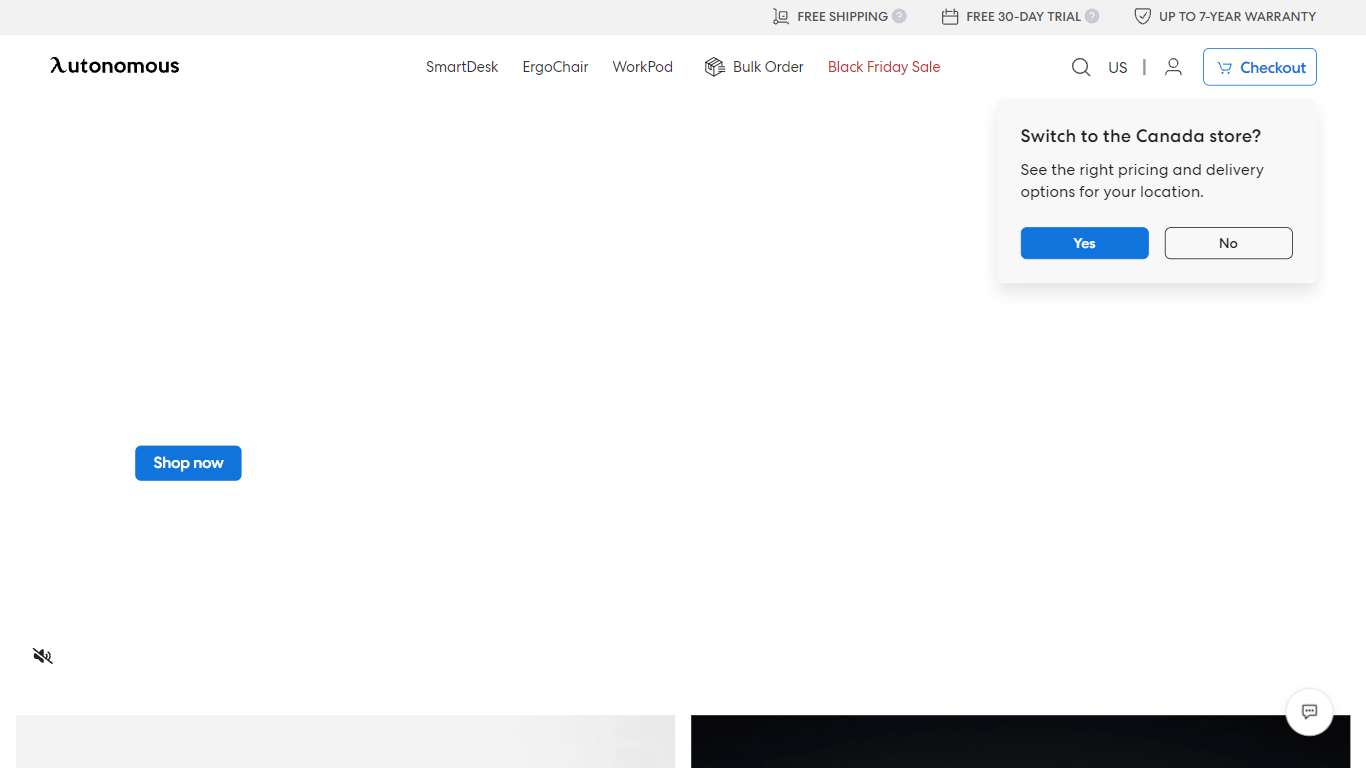

What is Autonomous?
Autonomous runs an e-commerce store for AI hardware and office furniture, selling standing desks, ergonomic chairs, backyard office pods, local AI computers, and agent devices like Harness and Intern 2. The site positions itself as an AI hardware workshop where software builders can buy finished products or open-source CAD and firmware to build their own.
Most office furniture brands stop at desks and chairs. Autonomous ships agent hardware that talks to Claude Code, Codex, and Cursor, publishes every product as open source on GitHub, and sells prefab backyard pods that skip permits in many markets. You are buying from a maker shop, not a catalog reseller.
Software engineers, remote startup teams, and home office workers shop here for gear that supports long coding sessions, local agent workflows, and backyard offices. Enterprise buyers use bulk ordering with volume discounts, lifetime warranty, and free floor-plan layout help.
Yuma
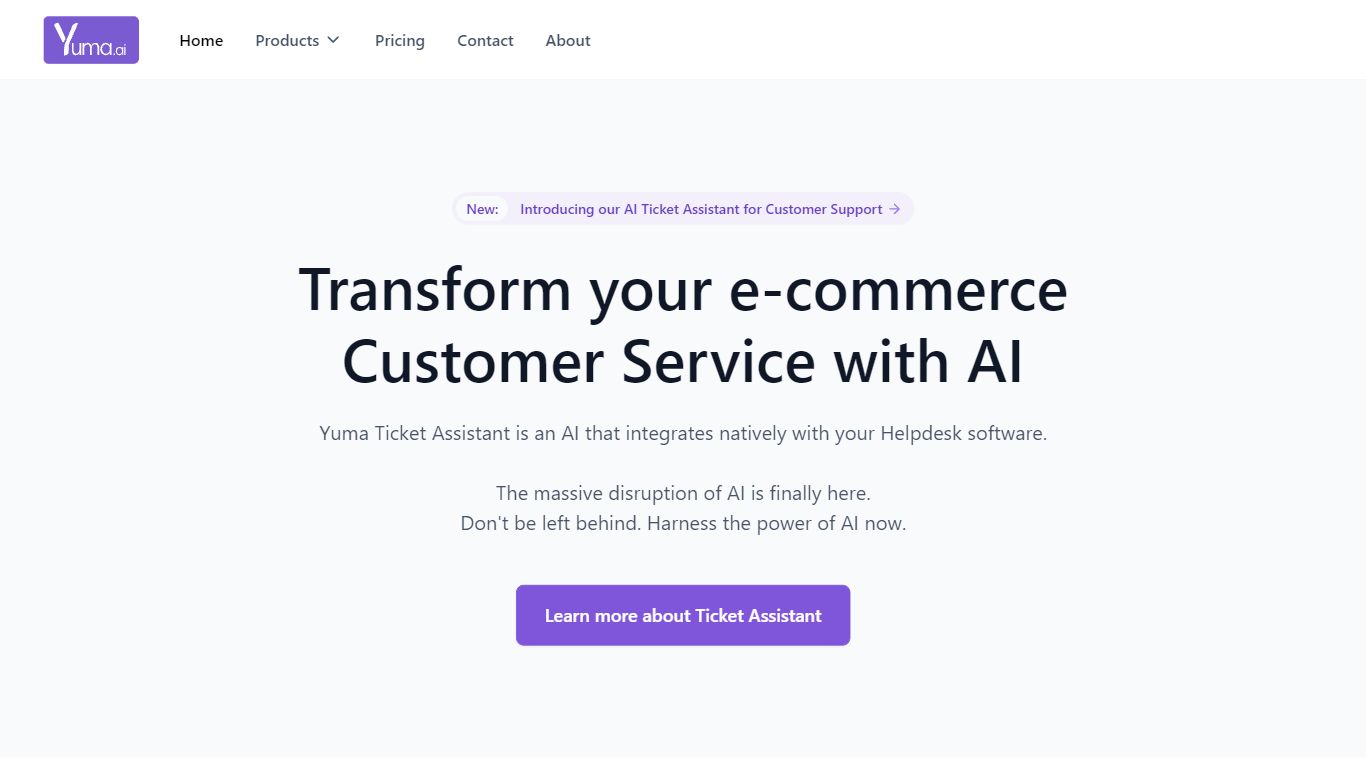
What is Yuma?
Yuma deploys specialized AI agents across ecommerce support, sales, social, and chat inside the helpdesk you already run. It connects to helpdesks like Gorgias, Zendesk, Kustomer, Gladly, and Re:amaze, then reads live Shopify order data and linked tools to resolve tickets end to end. That covers refunds, returns, exchanges, subscription changes, and order edits, not just draft replies.
Most helpdesk AI stops at suggested responses. Yuma takes approved actions in Shopify, Recharge, Loop Returns, and shipping carriers, and bills only for tickets it fully resolves. That outcome-based model fits high-volume DTC brands better than per-seat pricing when automation rates climb past 60%.
Support AI handles post-purchase volume like WISMO and returns with 75+ pre-built automations and 15 to 20 safety checks per reply. Sales AI answers product questions on site. Social AI moderates Facebook and Instagram. Ask Yuma spots automation gaps from ticket history and builds fixes in plain English.
Yuma is Y Combinator-backed, SOC 2 Type II certified, and rated 4.8/5 on G2. Case studies cite up to 89% ticket automation for Shopify brands processing 150,000+ tickets per month.
Autonomous Upvotes
Yuma Upvotes
Autonomous Top Features
Autonomous Harness ($149) routes voice tasks to Claude Code, Codex, Cursor, OpenCode, and other agents across your machines
Intern 2 ($249) runs OpenClaw and Hermes on an Orange Pi 4 Pro with 6GB RAM and 64GB storage, expandable to 256GB
Standing desks lift up to 330 lbs on dual motors with anti-collision, under 30 dB on the Desk Pro model
Backyard WorkPod ships at 102 sq ft with foundation-ready pre-wiring and 1 to 2 day setup, priced at $20,900
Bulk orders cut unit prices on desks, chairs, Harness, and Intern 2, with lifetime warranty on every unit
Every product line has open-source repos on GitHub, including autonomous-computer, autonomous-pod, and autonomous-harness
Yuma Top Features
Resolve up to 89% of support conversations with 75+ pre-built ecommerce automations
Take real actions in Shopify, Recharge, Loop Returns, and shipping tools instead of only drafting replies
Connect to Gorgias, Zendesk, Kustomer, Gladly, and Re:amaze without migrating your helpdesk
Run 15 to 20 safety checks on every AI reply before it reaches the customer
Deploy Sales AI on product pages for sizing and compatibility questions with up to 18% revenue-per-visitor lift in A/B tests
Use Social AI to auto-reply on Facebook and Instagram and automate up to 60% of social moderation
Autonomous Category
- E-commerce
Yuma Category
- E-commerce
Autonomous Pricing Type
- Paid
Yuma Pricing Type
- Paid