Basis Theory vs Expense Sorted
Explore the showdown between Basis Theory vs Expense Sorted and find out which AI Finance tool wins. We analyze upvotes, features, reviews, pricing, alternatives, and more.
In a face-off between Basis Theory and Expense Sorted , which one takes the crown?
When we contrast Basis Theory with Expense Sorted , both of which are exceptional AI-operated finance tools, and place them side by side, we can spot several crucial similarities and divergences. There's no clear winner in terms of upvotes, as both tools have received the same number. Join the aitools.fyi users in deciding the winner by casting your vote.
Not your cup of tea? Upvote your preferred tool and stir things up!
Basis Theory
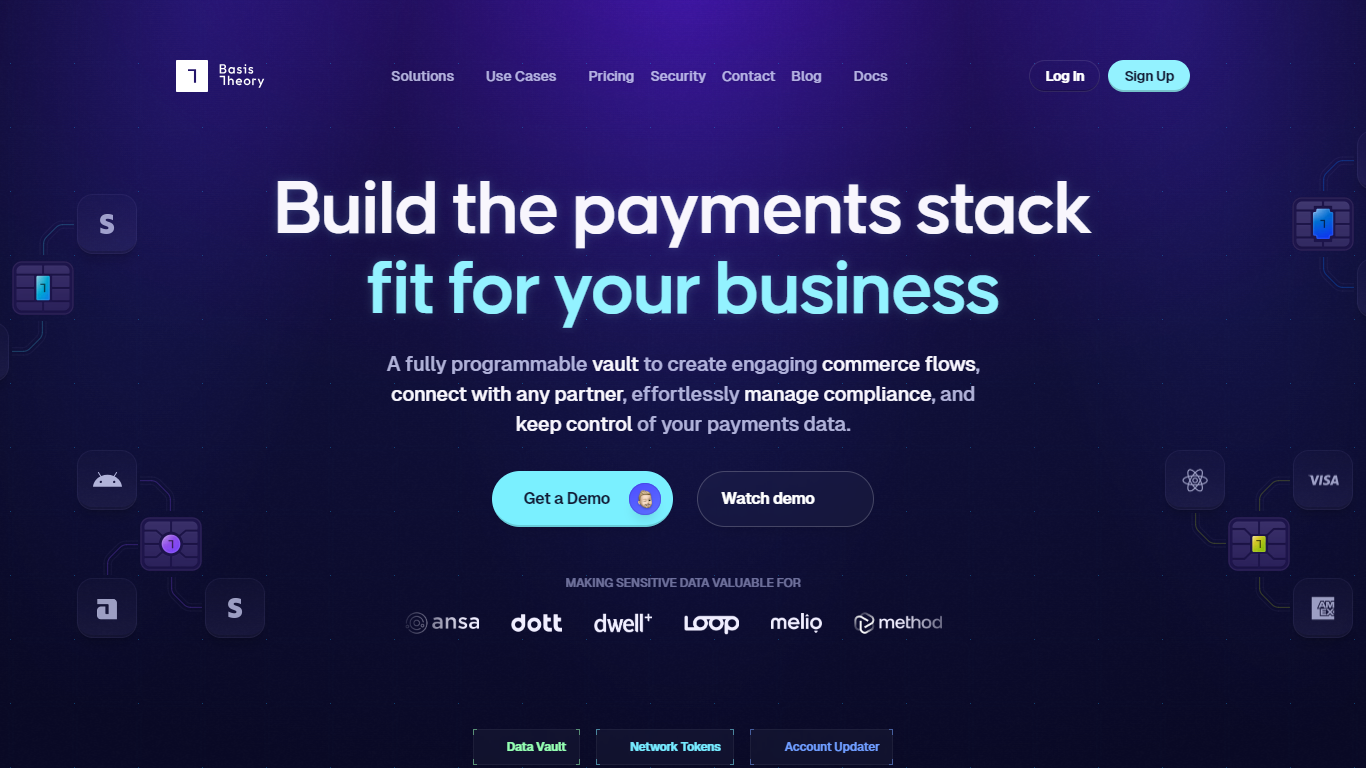

What is Basis Theory?
Basis Theory tokenizes, routes, and stores payment data outside your own systems so finance teams can keep checkout running without touching raw card numbers. Merchants collect cards through Universal Form Elements, keep tokens for recurring charges, and send those tokens to any payment service provider without rebuilding checkout. The site describes it as more than a token vault because it also handles PSP routing, authorization optimization, and resilience when a processor fails.
Most payment vaults lock you into one processor stack. Basis Theory stays PSP-agnostic so you can route transactions to Stripe, Braintree, Adyen, or a backup provider when the primary path declines. That unbundling matters most when a single PSP shutdown would otherwise take revenue offline, which creator platforms and vertical SaaS vendors cite as the core reason they adopt it over all-in-one checkout bundles.
Developers integrate through APIs, SDKs, and prebuilt web Elements documented at developers.basistheory.com. Product and finance teams at subscription businesses, e-commerce brands, and platforms building PayFac capabilities use it to shrink PCI scope, configure retry logic for failed renewals, and add Linque-powered payment method discovery at checkout.
Expense Sorted
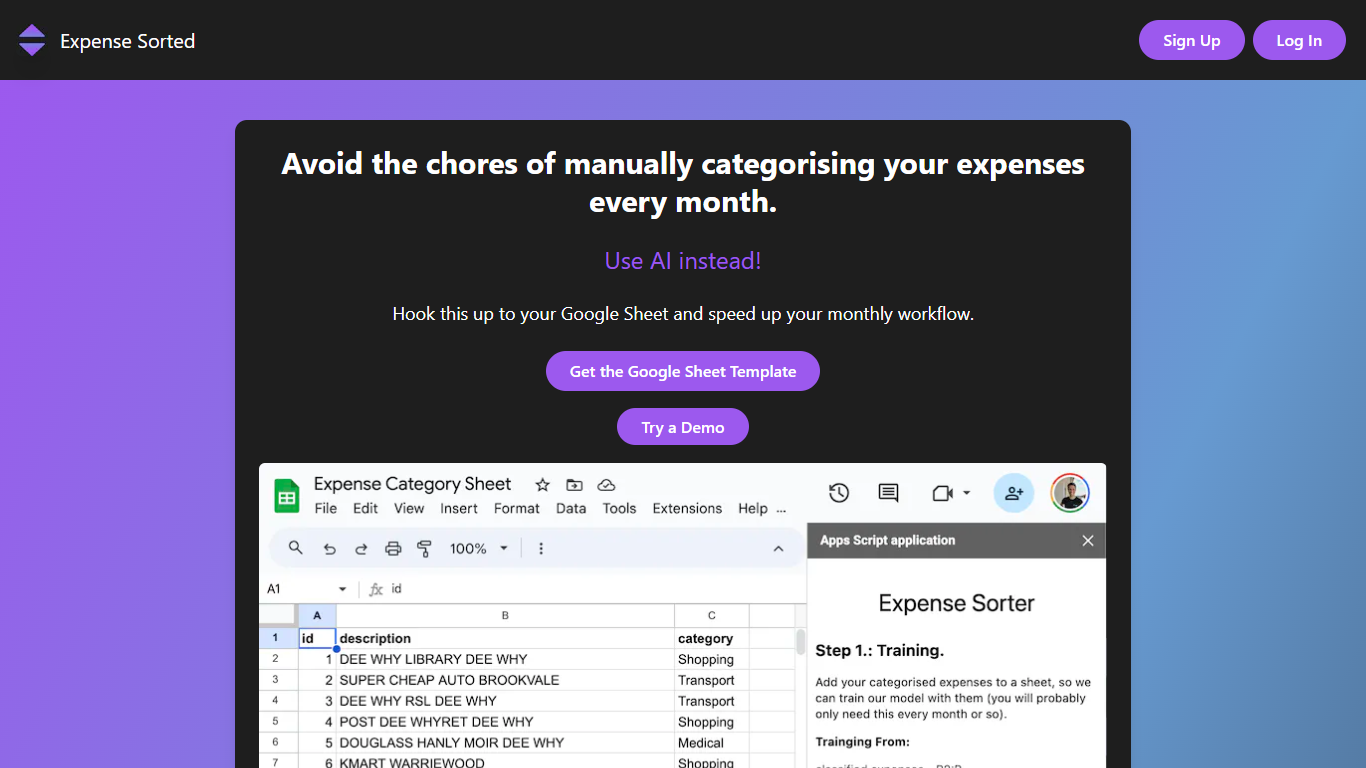
What is Expense Sorted ?
Expense Sorted Local imports bank CSV exports into a private database on your computer, then connects Claude, ChatGPT, or Cursor so your agent can categorize transactions and answer spending questions through MCP tools. No bank login, no cloud vault, and no subscription. You download the desktop app for macOS or Windows, drop in a CSV, and keep full control of the data file.
Cloud budgeting apps like Mint or YNAB sync through bank aggregators and store your history on their servers. Expense Sorted bets on local-first privacy instead: a small machine-learning model on your machine learns merchants and categorizes thousands of rows consistently, which chat models alone struggle to do without token burn or drift. The trade-off is manual CSV exports instead of automatic bank feeds.
Freelancers, privacy-conscious households, and small business owners who already use AI agents for other work are the natural fit. The free tier covers rule-based categorization, while Local Pro adds semantic search and smarter local AI for a $49 lifetime license after a 14-day trial.
Basis Theory Upvotes
Expense Sorted Upvotes
Basis Theory Top Features
Starter plan includes 20,000 vault tokens for $995 per month, with $0.05 per additional token
PCI Level 1 CDE plus SOC 2 Type II, ISO 27001, and HIPAA compliance certifications on the security page
Configurable retry logic re-presents failed subscription charges through a backup payment processor
Universal Form Elements SDK mounts cardNumber, cardExpirationDate, and cardVerificationCode fields without raw PAN data touching your app
Linque payment discovery covers roughly 80% of U.S. consumers using first name, last name, and phone verification
Proxy and Share APIs format token payloads for Stripe, Braintree, Adyen, and other processors
Expense Sorted Top Features
Imports bank CSV exports with no bank login or aggregator
Local ML model categorizes thousands of transactions on your machine
MCP integration works with Claude, ChatGPT, and Cursor
Local Pro costs $49 once with a 14-day no-credit-card trial
Free Google Sheets template available as a cloud alternative
macOS and Windows desktop apps with offline database storage
Basis Theory Category
- Finance
Expense Sorted Category
- Finance
Basis Theory Pricing Type
- Freemium
Expense Sorted Pricing Type
- Freemium