Comment Analyzer vs Semantic Scholar
In the clash of Comment Analyzer vs Semantic Scholar, which AI Research tool emerges victorious? We assess reviews, pricing, alternatives, features, upvotes, and more.
If you had to choose between Comment Analyzer and Semantic Scholar, which one would you go for?
Let's take a closer look at Comment Analyzer and Semantic Scholar, both of which are AI-driven research tools, and see what sets them apart. The users have made their preference clear, Semantic Scholar leads in upvotes. Semantic Scholar has 18 upvotes, and Comment Analyzer has 6 upvotes.
Disagree with the result? Upvote your favorite tool and help it win!
Comment Analyzer
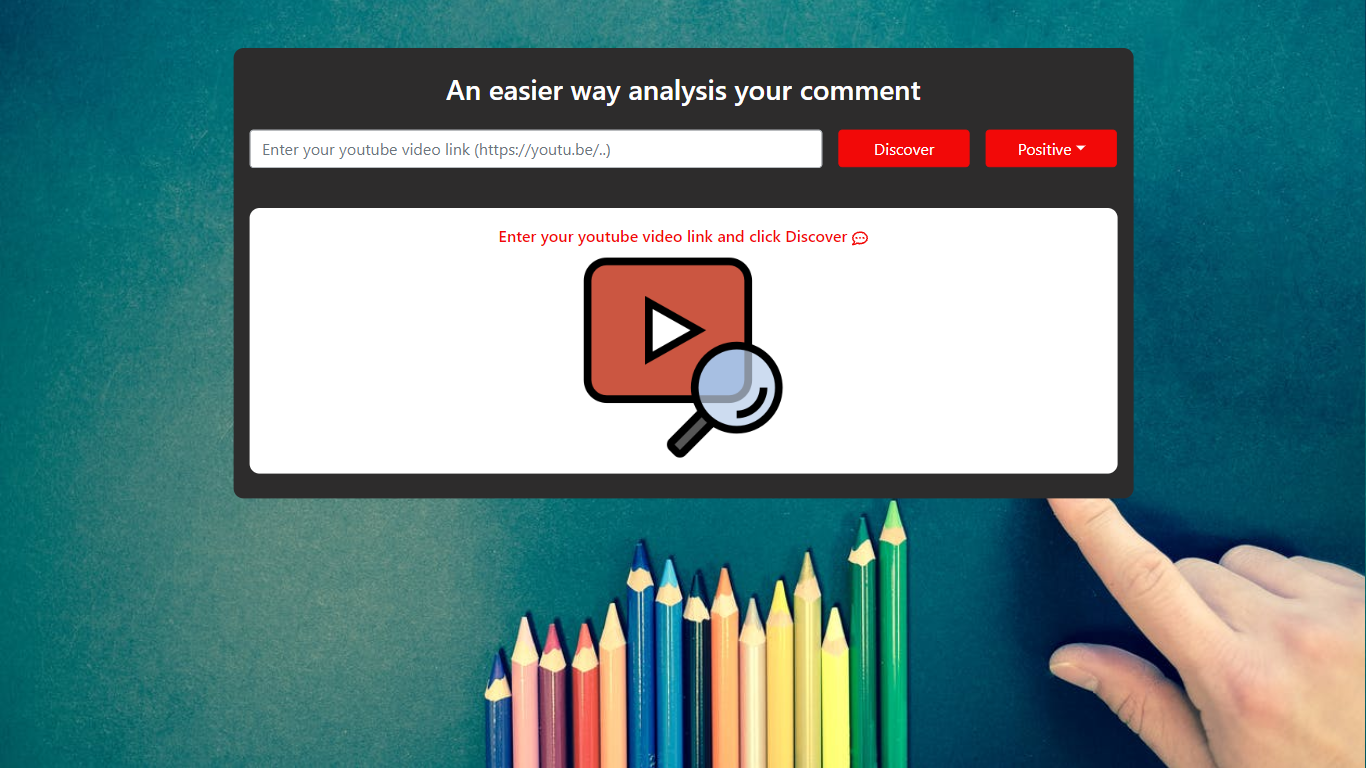

What is Comment Analyzer?
Enhance your YouTube engagement with the Comment Analyzer tool, specifically designed to simplify the process of comment analysis. Ideal for content creators, marketers, and community managers looking to gain insights into their audience's reactions, this user-friendly platform allows for a swift evaluation of comments by categorizing them into positive and negative sentiments.
- Get a quick sentiment overview: Simply paste your YouTube video link and click "Discover" to start analyzing the comments.
- User-friendly interface: The tool is designed to be straightforward, making it accessible even for those with minimal technical expertise.
- Improve audience engagement: Understanding the sentiment of your audience helps tailor your content to better resonate with viewers.
Streamline your comment analysis process with Comment Analyzer and dive into the psychology of your audience effortlessly. By filtering through positive and negative feedback, you'll be able to make data-driven decisions to enhance your YouTube strategy.
Semantic Scholar
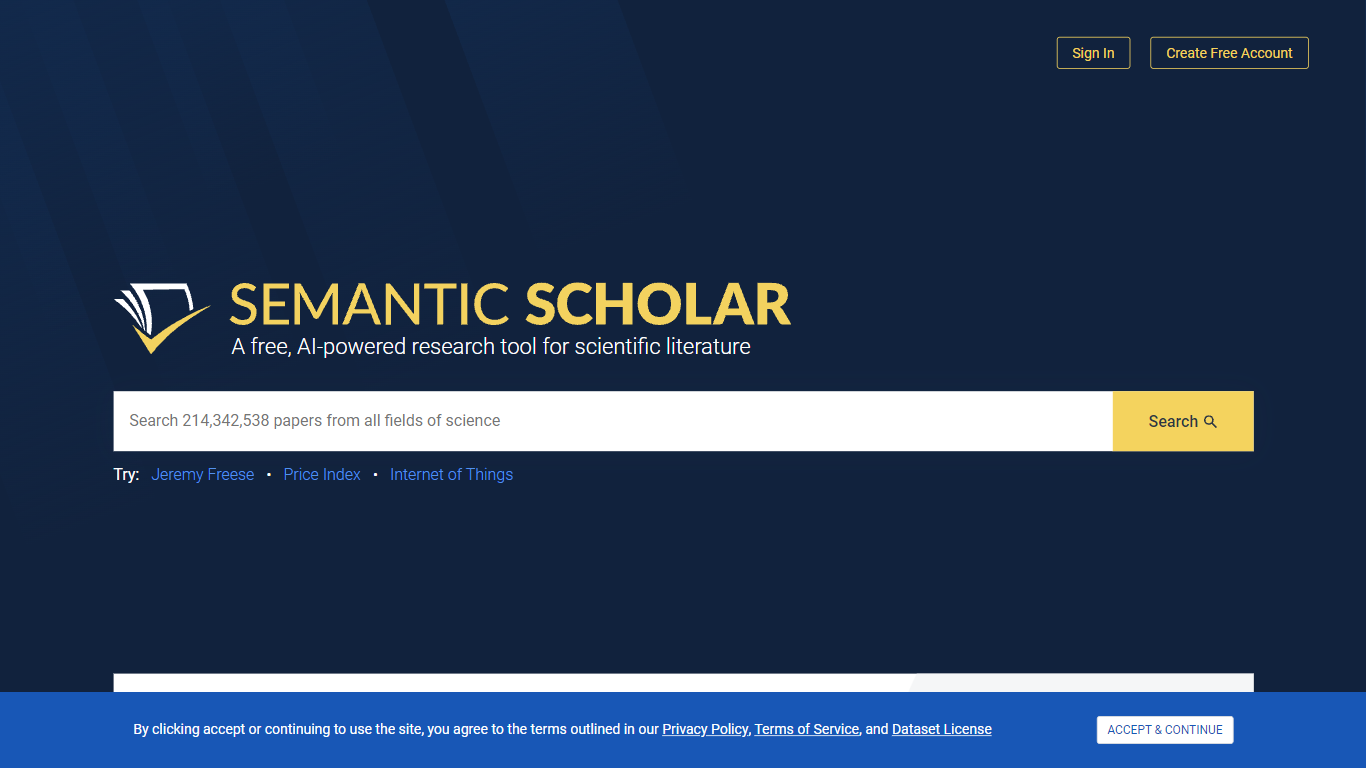
What is Semantic Scholar?
Semantic Scholar searches more than 236 million academic papers across every scientific field and surfaces citations, authors, and related work from one free interface. Built by the Allen Institute for AI (Ai2), it extracts meaning from papers so you can scan abstracts, follow citation chains, and open PDFs without jumping between databases.
Google Scholar indexes broadly but leaves connection-finding to you. Semantic Scholar adds AI-classified paper metadata, a Semantic Reader beta for in-browser annotation, and a public Academic Graph API with 214 million papers and 2.49 billion citations for developers. The S2AG and S2ORC datasets are also published as open JSON archives for NLP research.
Graduate students, faculty, librarians, and research engineers use it for literature reviews, citation tracking, and building scholarly apps. The API is free with optional keys for higher rate limits, and the platform partners with 50+ publishers to keep the index current.
Comment Analyzer Upvotes
Semantic Scholar Upvotes
Comment Analyzer Top Features
Simplified Analysis: Quickly categorize comments into positive or negative sentiments.
Ease of Use: Paste your YouTube link and click "Discover" for an easy-to-use experience.
Sentiment Overview: Instantly get a sentiment breakdown of your video comments.
Enhance Engagement: Utilize sentiment insights to improve audience interaction and content appeal.
Data-Driven Decisions: Make more informed content decisions based on audience feedback analysis.
Semantic Scholar Top Features
Search 236,851,843 papers indexed across all fields of science from one homepage
Semantic Reader beta adds in-browser annotations and contextual overlays on select papers
Academic Graph API covers 214 million papers, 2.49 billion citations, and 79 million authors
S2AG and S2ORC datasets ship as free JSON archives for NLP and text mining projects
Paper recommendations surface related studies based on citation and content similarity
Partners with 50+ publishers and scholarly societies to ingest new academic content
Comment Analyzer Category
- Research
Semantic Scholar Category
- Research
Comment Analyzer Pricing Type
- Freemium
Semantic Scholar Pricing Type
- Free