Dubformer vs Timebolt
In the face-off between Dubformer vs Timebolt, which AI Video Editing tool takes the crown? We scrutinize features, alternatives, upvotes, reviews, pricing, and more.
In a face-off between Dubformer and Timebolt, which one takes the crown?
If we were to analyze Dubformer and Timebolt, both of which are AI-powered video editing tools, what would we find? Timebolt stands out as the clear frontrunner in terms of upvotes. The number of upvotes for Timebolt stands at 18, and for Dubformer it's 6.
You don't agree with the result? Cast your vote to help us decide!
Dubformer

What is Dubformer?
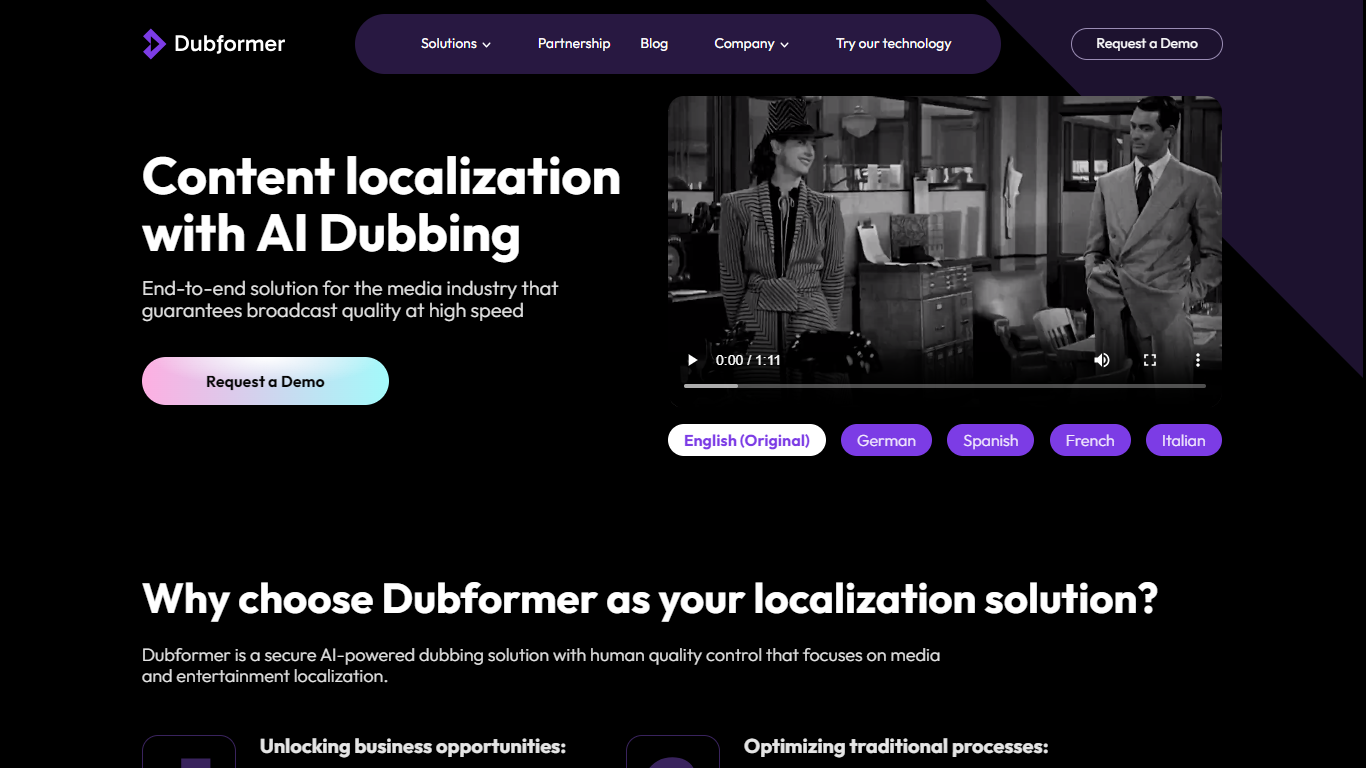
Dubformer is an AI dubbing studio built for production teams that want phrase-level control over localized voice performances. You import source video, map speakers, review a timecoded cue sheet, and direct how each line sounds across 140+ target languages before export.
The platform combines automated transcription, voice generation, and emotion transfer with human review workflows. Directors pick emotion presets or custom prompts per phrase, compare multiple generated takes, and adjust stability to balance consistency against expressive range. Studio also tracks decisions so any dubbed segment can be traced back to the release that approved it.
Dubformer positions itself as technology for studios rather than a replacement service. Customers include localization teams like D&C Localization and content distributors like Adapt. New teams can start with a paid pilot that delivers a first dubbed project in about two weeks.
Timebolt
What is Timebolt?
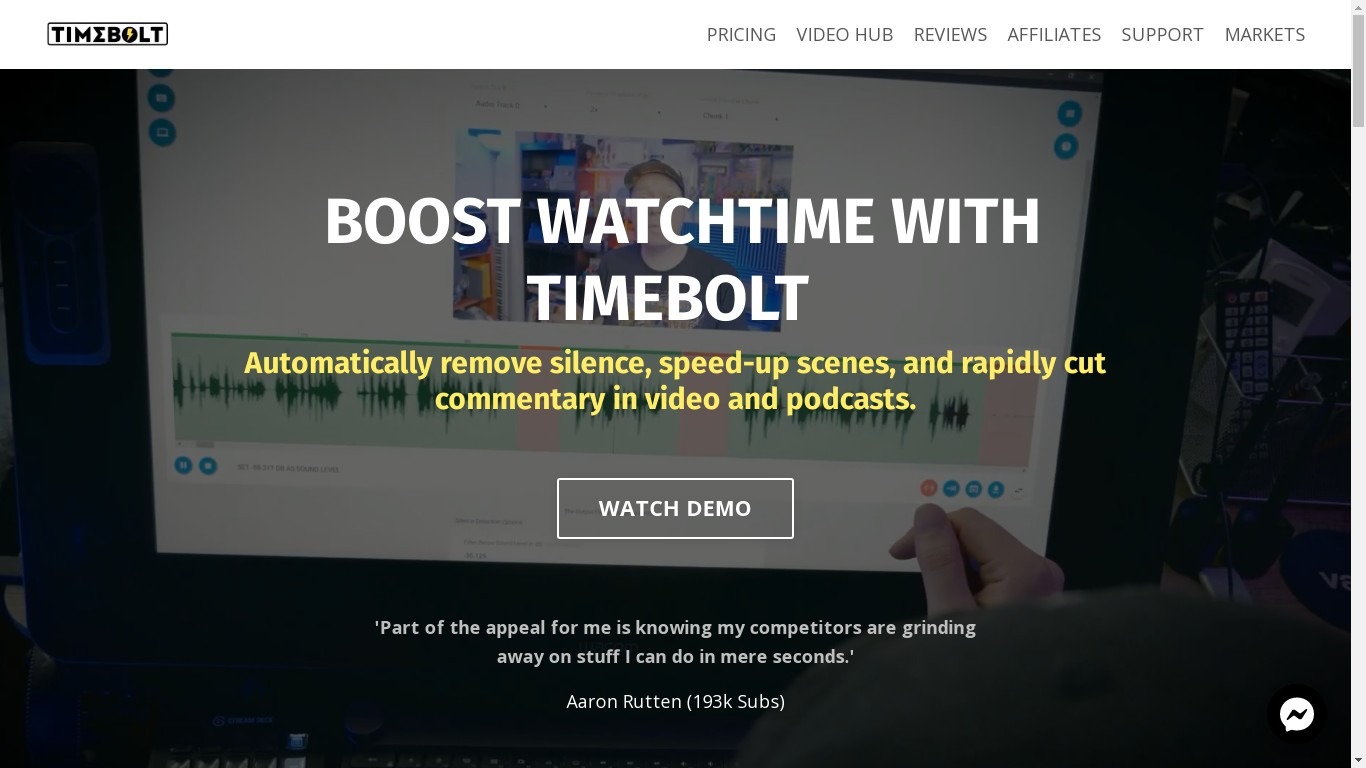
Timebolt is a desktop video editor built around waveform-first jump cuts for podcasts, interviews, and screen recordings. It strips silence, filler words, and bad takes with 0.01 second cut control, then exports timelines to Premiere Pro, Final Cut Pro, DaVinci Resolve, or Camtasia without re-cutting by hand.
Most text-based AI editors guess where pauses live and leave hundreds of missed cuts per hour. Timebolt measures the audio waveform first, which is why its benchmark claims zero mistakes left per hour while rivals like Descript and Gling still need manual cleanup. That trade-off favors editors who want frame-tight cuts over a chat-style transcript workflow.
Podcasters, YouTubers, and course creators use Timebolt to shrink raw talking-head footage before publishing. Post-production teams also route Riverside multicam sessions through Timebolt XML exports so senior editors finish polish work in their preferred NLE.
Dubformer Upvotes
Timebolt Upvotes
Dubformer Top Features
Phrase-level voice direction with emotion presets, custom prompts, and multiple takes per line
Emotion transfer that carries original delivery intent into dubbed target languages
Import-to-delivery workflow with speaker mapping, cue sheets, and conformance checks
Support for 140+ languages with side-by-side source and dubbed script review
Audit trail tracing each dubbed segment back to the approving decision
AES-256 encrypted source media with a policy that customer data is not used to train AI
Timebolt Top Features
0.01 second cut control on waveform-based silence removal
Processes an hour of footage in about 13 seconds for jump cuts
Exports XML timelines to Premiere Pro, Final Cut Pro, and DaVinci Resolve
UMCHECK removes filler words automatically from recorded speech
Free 4K screen capture tool for Mac and Windows
Benchmark reports zero missed cuts per hour versus hundreds on rival AI editors
Dubformer Category
- Video Editing
Timebolt Category
- Video Editing
Dubformer Pricing Type
- Paid
Timebolt Pricing Type
- Freemium