Fetcher vs ADP
Explore the showdown between Fetcher vs ADP and find out which AI Human Resource tool wins. We analyze upvotes, features, reviews, pricing, alternatives, and more.
In a face-off between Fetcher and ADP, which one takes the crown?
When we contrast Fetcher with ADP, both of which are exceptional AI-operated human resource tools, and place them side by side, we can spot several crucial similarities and divergences. There's no clear winner in terms of upvotes, as both tools have received the same number. Every vote counts! Cast yours and contribute to the decision of the winner.
Think we got it wrong? Cast your vote and show us who's boss!
Fetcher

What is Fetcher?
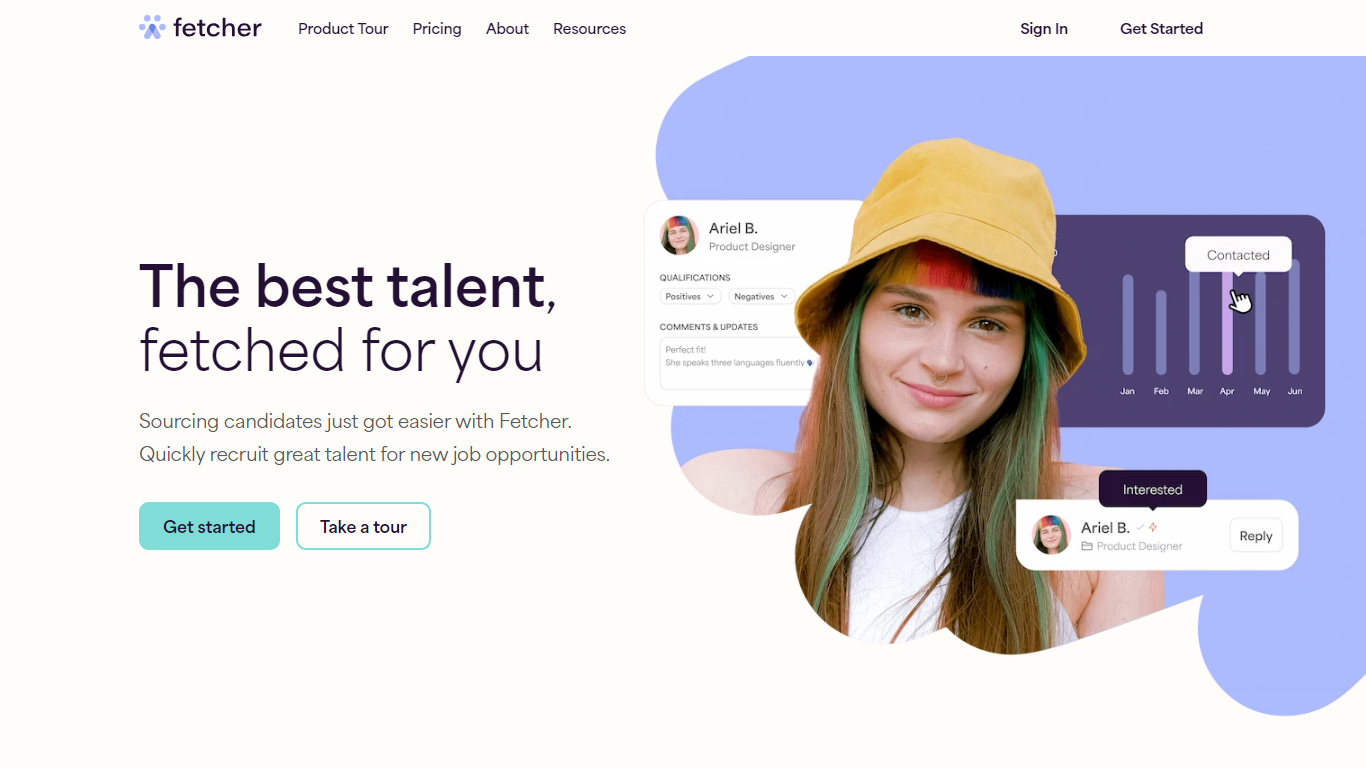
Fetcher is a talent sourcing platform for recruiting teams that need help finding and engaging candidates without spending hours in databases and inboxes. It combines automated candidate search with optional human sourcers, so teams can fill roles faster while keeping control of the hiring experience.
The platform handles both inbound and outbound recruiting in one workflow. It can sort incoming applicants against job requirements, then shift to passive candidate search when pipelines run thin. Fetcher also runs outreach campaigns and tracks responses, which lets recruiters spend less time on repetitive screening and more time talking to qualified people.
Fetcher is built for in-house people teams, staffing agencies, and small businesses that hire regularly but do not want sourcing to consume their week. It fits teams hiring engineers, go-to-market roles, executives, and other hard-to-fill positions where speed and pipeline quality matter.
ADP
What is ADP?
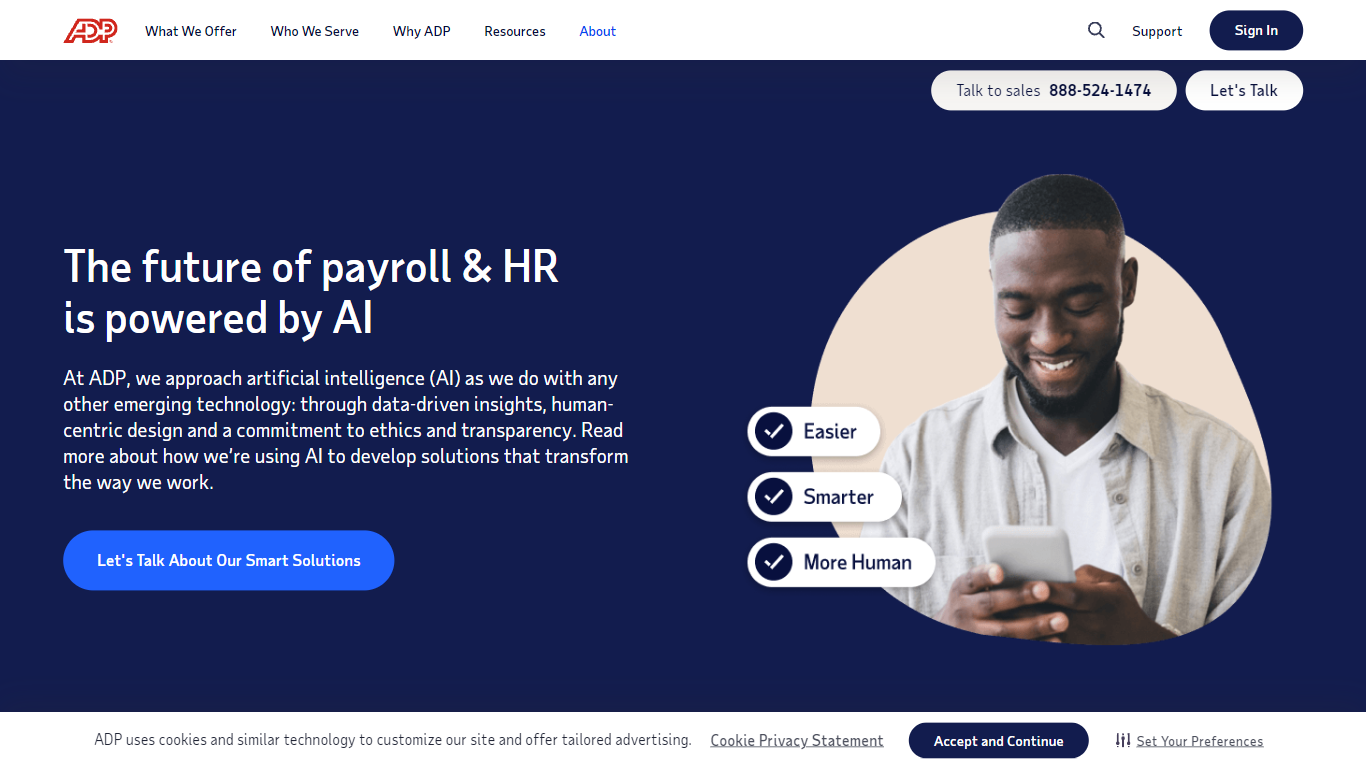
ADP embeds artificial intelligence across its payroll and human resources platform, drawing on 77 years of workforce data from 1.1 million clients and 42 million wage earners worldwide. Its AI tools surface payroll anomalies, answer employee policy questions, and flag turnover risks inside the same systems teams already use for payroll, time tracking, benefits, and compliance across 140 countries.
Standalone HR chatbots often lack payroll-grade data or compliance guardrails. ADP pairs its models with governed oversight from an AI and Data Ethics Council, audit trails, and human experts who validate insights before they reach high-stakes payroll or compliance decisions. The pitch is precision over generic confidence.
HR practitioners, payroll managers, and IT leaders at mid-size and enterprise companies use ADP Assist and related features to resolve anomalies faster, personalize employee experiences, and reduce manual policy lookups. ADP cites clients saving 30 minutes per payroll anomaly resolved and 19,000 minutes when employees self-serve policy answers.
Fetcher Upvotes
ADP Upvotes
Fetcher Top Features
Screen inbound applicants against job requirements so recruiters review the best matches first
Search a 500M+ candidate database and get profiles sourced by Fetcher's team on higher plans
Flip outbound sourcing on or off depending on whether inbound volume is too low or overwhelming
Send templated email outreach sequences that Fetcher reports average a 40% response rate
Sync candidates two-way with Ashby, Greenhouse, Lever, Workday, and other ATS platforms
ADP Top Features
Draws on payroll and HR data from 42 million wage earners across 140 countries and 1.1 million clients
ADP Assist turns HR data into contextual insights for managers, employees, practitioners, and IT teams
Clients report saving 30 minutes per payroll anomaly resolved and 19,000 HR minutes via employee self-serve policy answers
Governed AI with an AI and Data Ethics Council, audit trails, and human expert oversight for compliance decisions
Embedded across payroll, time and attendance, talent management, benefits, and global compliance workflows
60% of organizations using ADP's Turnover Cost storyboard lowered voluntary turnover costs per ADP internal data
Fetcher Category
- Human Resource
ADP Category
- Human Resource
Fetcher Pricing Type
- Paid
ADP Pricing Type
- Paid