Flux vs Supernormal
Explore the showdown between Flux vs Supernormal and find out which AI tool wins. We analyze upvotes, features, reviews, pricing, alternatives, and more.
In a face-off between Flux and Supernormal, which one takes the crown?
When we contrast Flux with Supernormal, both of which are exceptional AI-operated tools, and place them side by side, we can spot several crucial similarities and divergences. The users have made their preference clear, Flux leads in upvotes. The number of upvotes for Flux stands at 11, and for Supernormal it's 4.
Not your cup of tea? Upvote your preferred tool and stir things up!
Flux


What is Flux?
Flux runs ECAD in the browser so hardware engineers design printed circuit boards from idea through manufacturing without desktop installs. You describe what you want to build, and Flux Copilot plans the work, generates schematics and layouts, and checks in before key steps so you stay in control.
Compared with traditional desktop ECAD suites, Flux combines collaborative schematic and layout editing with live component data, supply chain pricing, and explainable automation in one workspace. Copilot handles planning, part research, BoM generation, placement, routing, and design reviews while you approve key steps instead of clicking through every net manually.
Flux supports multi-layer PCBs up to eight layers for IoT devices, wearables, robotics, and production-bound hardware. You can import from Altium, Cadence, KiCad, Eagle, and EasyEDA, then export Gerbers, drill files, BoMs, pick-and-place files, and standard netlists for fabrication.
Supernormal
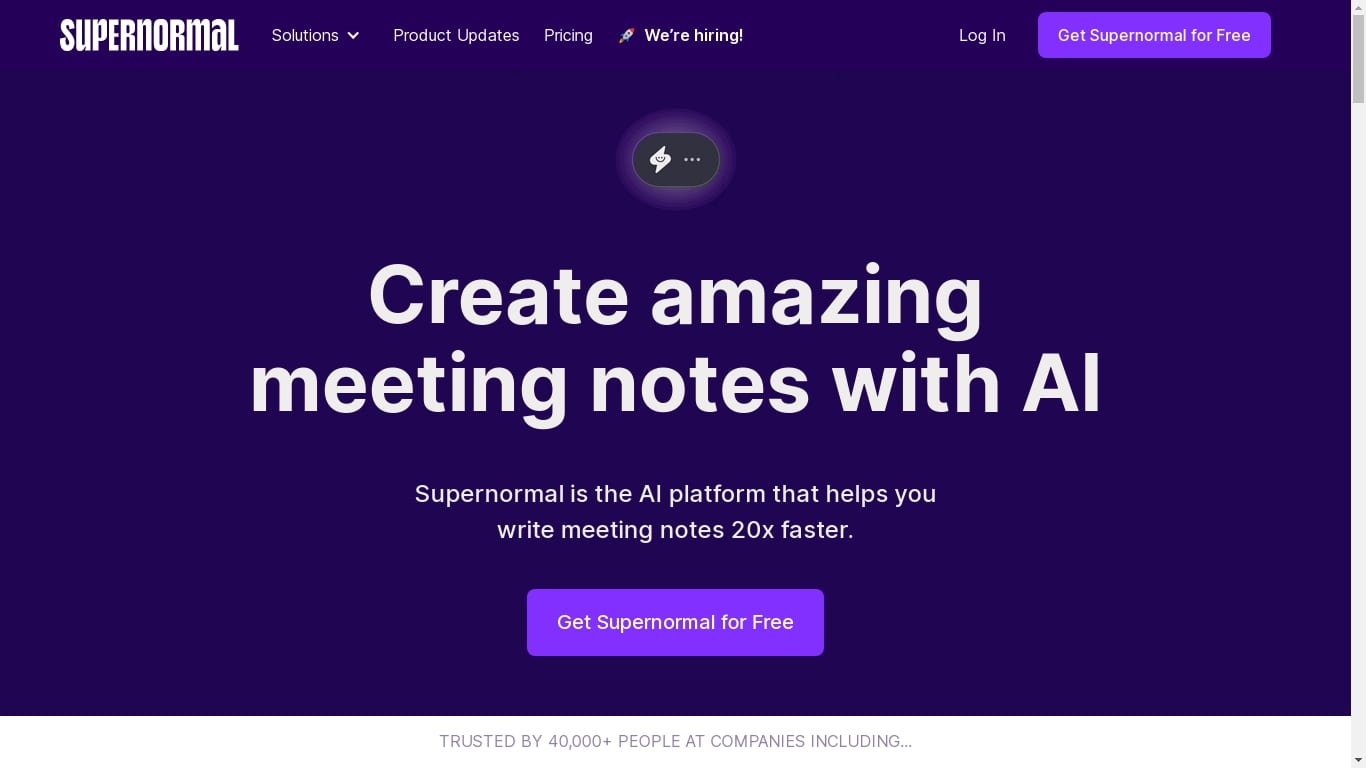
What is Supernormal?
Supernormal captures meeting notes without sending a bot into your calls, then turns those notes into client-ready slides, documents, spreadsheets, and images. Agencies connect meetings, docs, and email context so templates like pitch decks, creative briefs, and proposals draft from real conversation details. The free plan includes 15 monthly credits and 5 daily credits with unlimited projects.
Most meeting assistants optimize for a transcript and action items. Supernormal targets agency deliverables, so a kickoff call can become a creative brief or one-pager in the same workspace. The trade-off is a credit budget instead of unlimited generation, and team features require a sales conversation for larger credit pools.
Account managers, strategists, and agency producers use Supernormal to skip retyping call notes into decks and docs. Founded by Colin Treseler and Fabian Perez, the company reports 700,000+ organizations on its site and offers desktop notetaker apps for macOS 14.4.1+ and Windows 11.
Flux Upvotes
Supernormal Upvotes
Flux Top Features
Describe a board in plain language and Copilot maps a plan for approval
Generates schematics, BoMs, and layouts with placement and routing
Runs design reviews for unconnected pins, missing caps, and tolerance issues
Multi-layer PCBs up to eight layers, from prototype to production
Imports Altium, Cadence, KiCad, Eagle, and EasyEDA projects
Exports Gerbers, drill files, BoM, pick-and-place, and netlists
14-day free trial covers all features before Explore, Build, or Pro billing starts
Supernormal Top Features
Meeting notetaker captures notes without a bot joining client calls
Free plan includes 15 monthly credits and 5 daily credits with no credit card
Templates turn meetings into pitch decks, creative briefs, one-pagers, and proposals
AI Slides, Documents, Spreadsheets, and Images modules share meeting context
MCP connection links Supernormal outputs to other tools in your stack
Team plans share credits across unlimited seats with rollover up to two years
Flux Category
- Design
Supernormal Category
- Meeting Assistant
Flux Pricing Type
- Freemium
Supernormal Pricing Type
- Freemium