GradeLab vs Lutra AI
In the battle of GradeLab vs Lutra AI, which AI Automation tool comes out on top? We compare reviews, pricing, alternatives, upvotes, features, and more.
Between GradeLab and Lutra AI, which one is superior?
Upon comparing GradeLab with Lutra AI, which are both AI-powered automation tools, Neither tool takes the lead, as they both have the same upvote count. You can help us determine the winner by casting your vote and tipping the scales in favor of one of the tools.
Feeling rebellious? Cast your vote and shake things up!
GradeLab
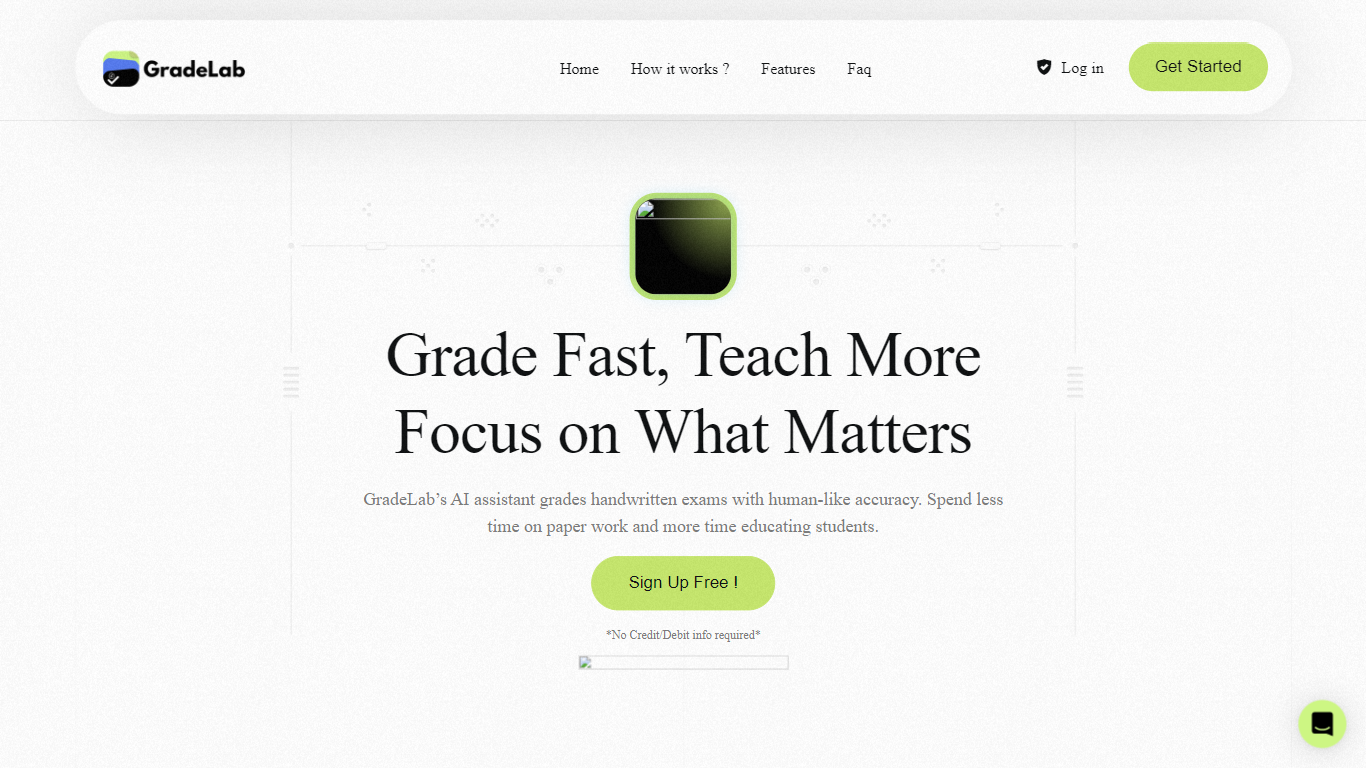

What is GradeLab?
GradeLab is an assessment platform built for schools, universities, coaching centers, and government exam bodies that need to grade handwritten and digital exams faster without giving up teacher control. Upload scanned answer sheets or run online tests, and the system applies your rubrics to score essays, math, diagrams, and mixed-format papers while flagging anything that needs a human review.
What sets it apart is the focus on real exam workflows: OCR trained on student handwriting across 30+ languages, on-screen marking for distributed examiners, question generation from PDFs, LaTeX exam paper formatting, and REST APIs for LMS and EdTech integrations. Institutions can deploy on-premise so exam data stays inside their network.
GradeLab targets K-12 schools, higher-ed departments, test-prep centers, corporate training teams, and public-sector assessment programs that process large paper volumes and want consistent grading with analytics parents and administrators can actually read.
Lutra AI
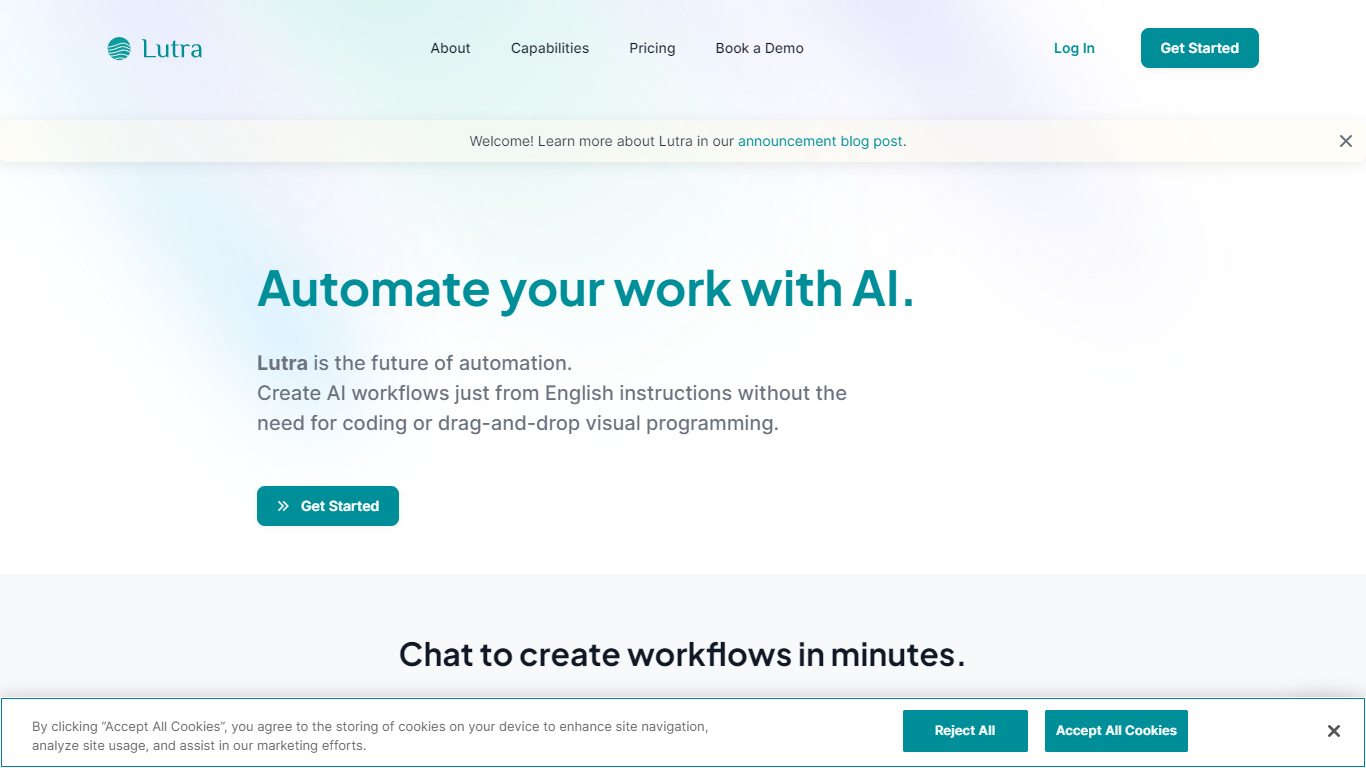
What is Lutra AI?
Lutra AI is a productivity agent that connects your work apps and automates tasks from plain English instructions. Describe what you want done, and Lutra turns it into code-backed workflows that pull data from Gmail, Slack, Google Workspace, Notion, Salesforce, HubSpot, and dozens of other integrations.
The platform also positions itself as the first MCP-compatible client built for general users. You can connect Model Context Protocol servers such as Linear, Atlassian, PayPal, and Square, or bring your own custom MCP endpoint. A public playbook library covers recurring jobs like email summarization, invoice processing, LinkedIn research, and Reddit monitoring.
Lutra targets operators, founders, and teams who want repeatable automations without building Zapier-style flows by hand. Workflows can run on demand or on a schedule, and the company also offers MintMCP for enterprise data connections.
GradeLab Upvotes
Lutra AI Upvotes
GradeLab Top Features
Grade 200 handwritten exams in under 30 minutes with 99%+ OCR accuracy
Handles essays, math, diagrams, and MCQs across 30+ languages including Arabic and Chinese
Teachers override any AI score with one click and add comments before release
Generate MCQs, short answers, and essay prompts from uploaded PDFs or text
Build LaTeX-formatted exam papers with complex math notation and export to PDF
REST API grades up to 500 submissions per batch with webhooks and sandbox keys
On-premise deployment keeps exam data inside your institution with zero cloud dependency
Lutra AI Top Features
Natural language workflows: describe tasks in English and Lutra generates code to run them across connected apps
Broad app integrations: Gmail, Slack, Google Workspace, Notion, Salesforce, HubSpot, Airtable, and more
MCP client support: connect Linear, Atlassian, PayPal, Square, or custom MCP servers
Playbook library: ready-made automations for email summaries, invoice processing, research, and social monitoring
Scheduling and webhooks: run workflows on a schedule or trigger them from external events on paid plans
GradeLab Category
- Automation
Lutra AI Category
- Automation
GradeLab Pricing Type
- Paid
Lutra AI Pricing Type
- Freemium