LMNT vs SpeechGPT
When comparing LMNT vs SpeechGPT, which AI Audio Generation tool shines brighter? We look at pricing, alternatives, upvotes, features, reviews, and more.
In a comparison between LMNT and SpeechGPT, which one comes out on top?
When we put LMNT and SpeechGPT side by side, both being AI-powered audio generation tools, Interestingly, both tools have managed to secure the same number of upvotes. Be a part of the decision-making process. Your vote could determine the winner.
Feeling rebellious? Cast your vote and shake things up!
LMNT

What is LMNT?
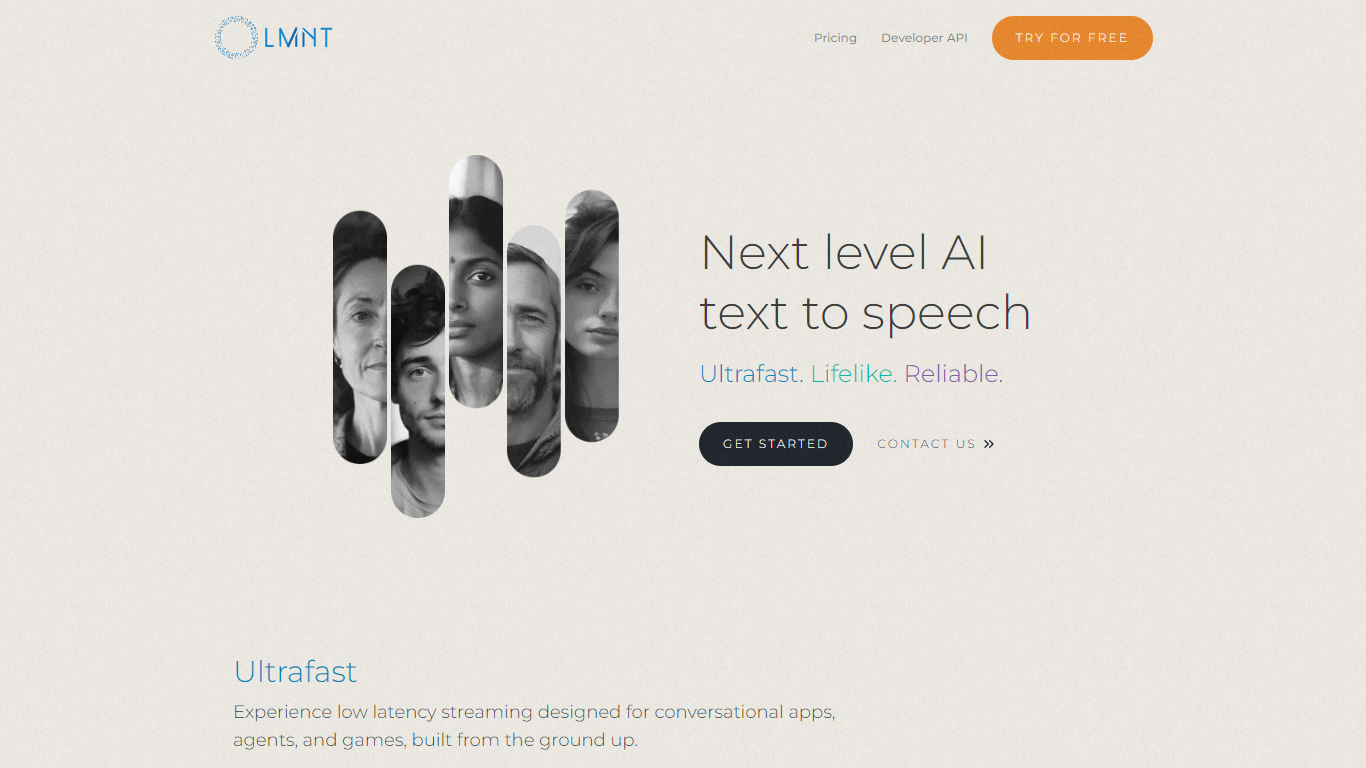
LMNT is an audio generation API for turning text into lifelike speech in live products. It targets conversational apps, voice agents, games, and other experiences where latency and voice quality both matter.
Most text-to-speech APIs cap voice clones or throttle concurrent streams. LMNT includes unlimited voice clones on every API plan, advertises no concurrency or rate limits, and streams audio in roughly 150 to 200 milliseconds. That trade-off favors builders shipping real-time voice rather than batch narration.
The product pairs a free web playground with a developer API. You can preview voices in the browser, then wire the same models into your app through streaming endpoints built for real-time use.
LMNT is built by a small team in Palo Alto with backgrounds at Google[x], Meta, Microsoft, and other startups. The company is backed by investors including Elad Gil and Conviction, and lists SOC-2 Type II compliance on its site. Customers shown on the homepage include Khan Academy, HeyGen, Vapi, Vercel, Unity, and Replit.
SpeechGPT
What is SpeechGPT?
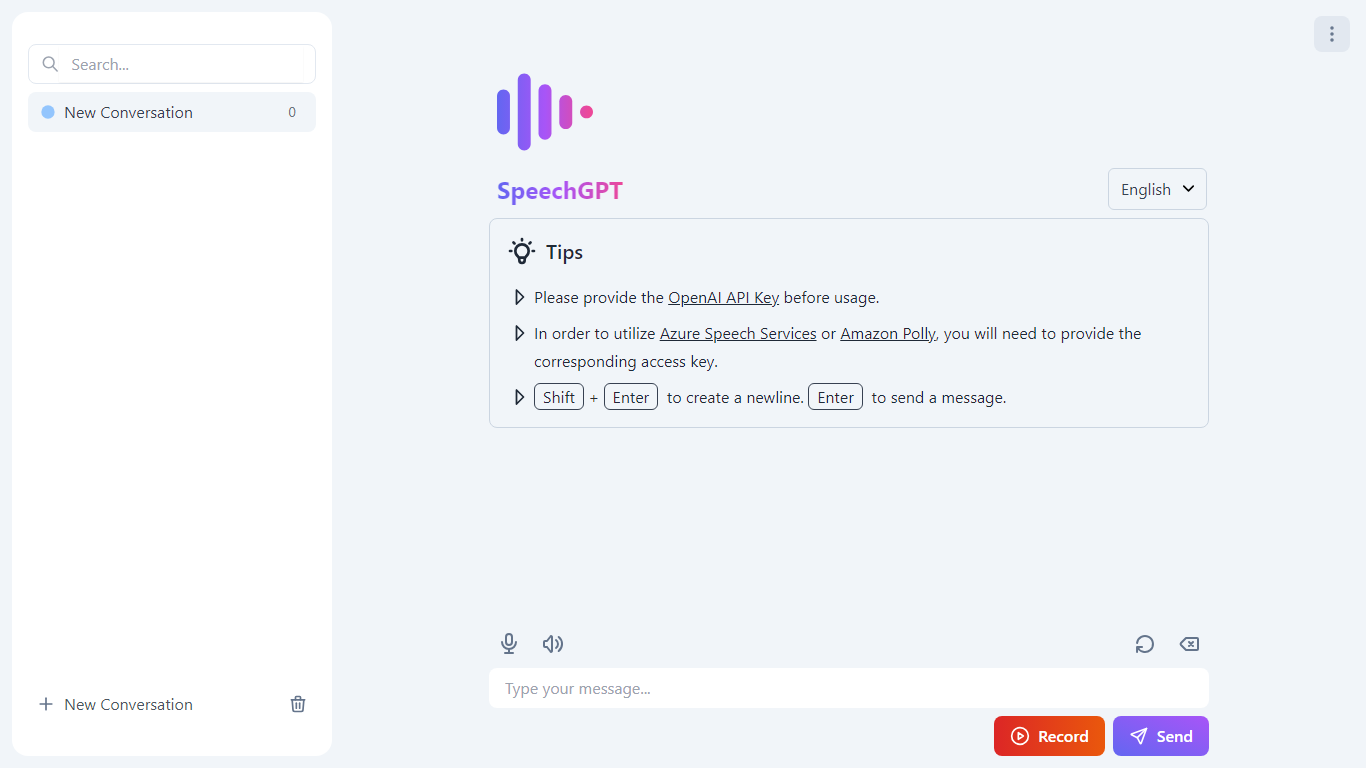
SpeechGPT lets you hold voice conversations in the browser using your own OpenAI API key. You type or record messages, send them through a chat interface, and hear spoken replies without installing desktop software.
Unlike hosted TTS services that bundle model costs into a subscription, SpeechGPT runs in the browser and bills you only through the OpenAI, Azure Speech Services, or Amazon Polly accounts you connect. That makes it a lightweight option for developers and language learners who already have API access and want a simple voice chat front end.
The interface supports English, Spanish, and Chinese UI labels, includes a record button for speech input, and stores session data locally in the browser. It suits developers testing voice chat flows, language learners practicing spoken prompts, and anyone who wants a minimal ChatGPT voice client on mobile or desktop.
LMNT Upvotes
SpeechGPT Upvotes
LMNT Top Features
Clone a studio-quality voice from a 5-second recording
Generate speech in 31 languages, including mid-sentence language switches
Stream audio with roughly 150-200ms latency for live conversations
Use unlimited voice clones on API plans with no concurrency caps
Try voices free in the web playground before integrating the API
SpeechGPT Top Features
Chat interface accepts typed messages or recorded speech input with Enter to send
Requires your OpenAI API key in settings before the app will run conversations
Optional Azure Speech Services or Amazon Polly access keys for alternate text-to-speech backends
UI available in English, Spanish, and Chinese from the in-app language selector
Shift plus Enter inserts a newline without sending the message
Runs as a web app on Vercel with no separate desktop install required
LMNT Category
- Audio Generation
SpeechGPT Category
- Audio Generation
LMNT Pricing Type
- Freemium
SpeechGPT Pricing Type
- Free