Opus Clip vs Timebolt
When comparing Opus Clip vs Timebolt, which AI Video Editing tool shines brighter? We look at pricing, alternatives, upvotes, features, reviews, and more.
In a comparison between Opus Clip and Timebolt, which one comes out on top?
When we put Opus Clip and Timebolt side by side, both being AI-powered video editing tools, The community has spoken, Timebolt leads with more upvotes. Timebolt has been upvoted 18 times by aitools.fyi users, and Opus Clip has been upvoted 6 times.
Disagree with the result? Upvote your favorite tool and help it win!
Opus Clip

What is Opus Clip?
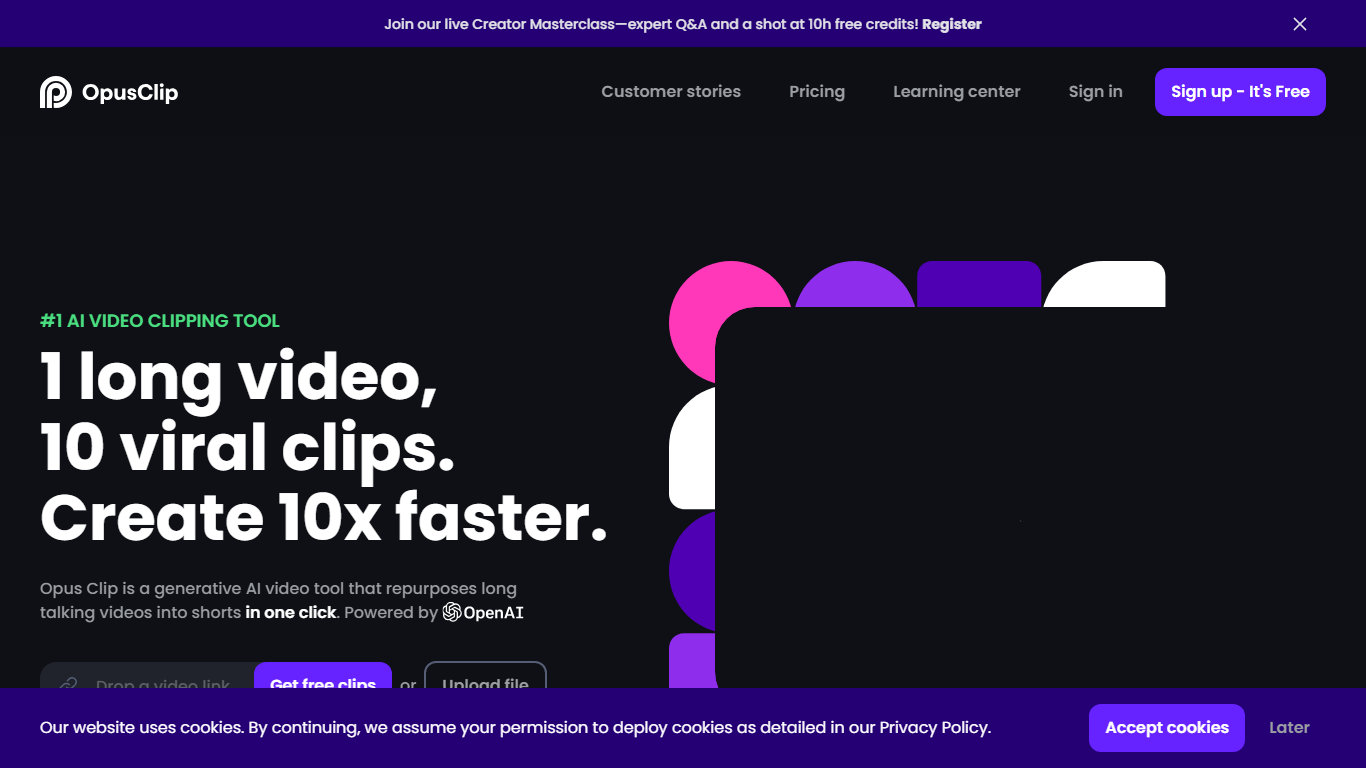
OpusClip turns long-form footage into short clips you can post on TikTok, YouTube Shorts, and Instagram Reels. Drop a YouTube link, upload a file, or pull from Zoom, Google Drive, Vimeo, and several other sources, and the platform returns multiple vertical clips with captions, reframing, and layout adjustments already applied.
Most clipping tools focus on podcast-style talking-head footage. OpusClip's ClipAnything model reads visual, audio, and sentiment cues across vlogs, sports, gaming, interviews, and low-dialogue footage, so you are not locked into one video format. The social scheduler and direct publishing options push finished clips to multiple platforms without leaving the dashboard.
Podcasters, marketers, agencies, and solo creators who publish shorts regularly use OpusClip to batch-produce clips from webinars, livestreams, and long YouTube uploads. The free tier refreshes 60 minutes of processing time each month, and paid plans add watermark-free exports, virality scoring, and imports from more sources.
Timebolt
What is Timebolt?
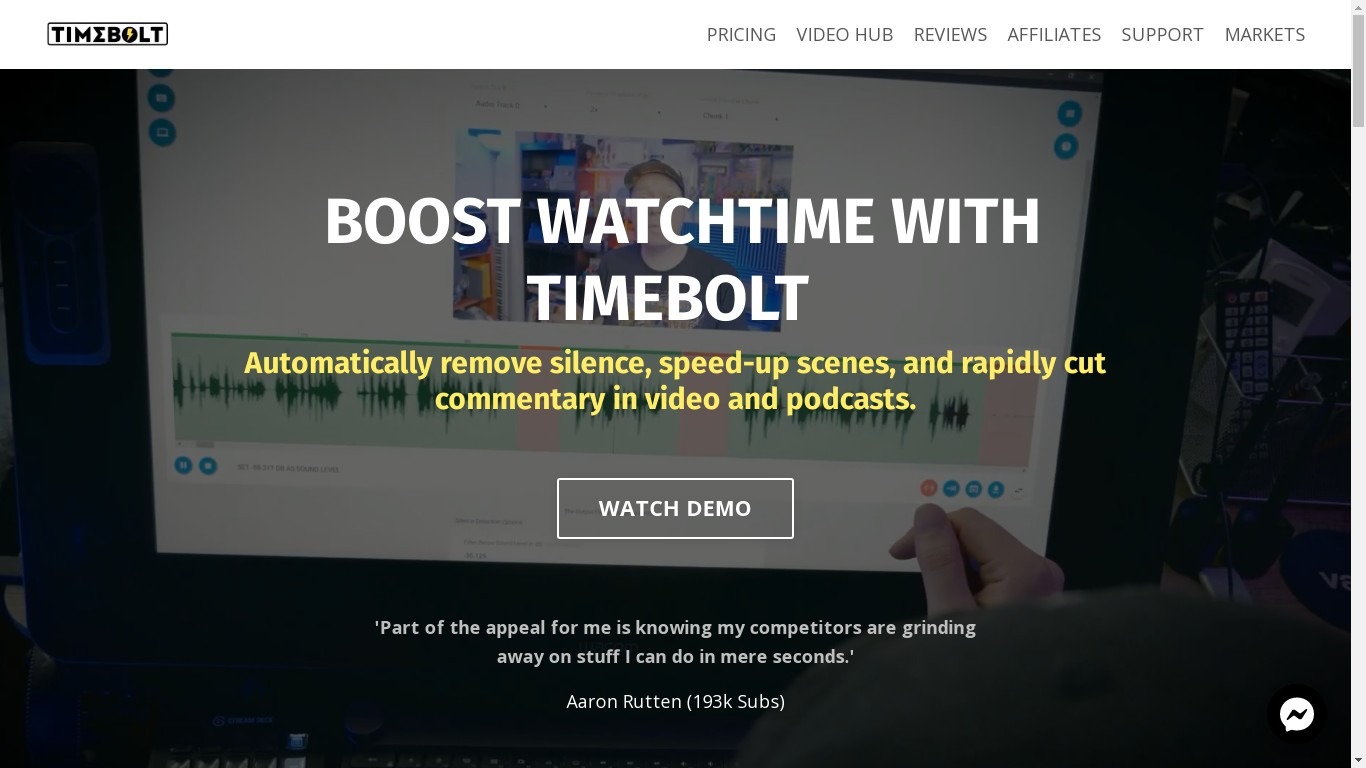
Timebolt is a desktop video editor built around waveform-first jump cuts for podcasts, interviews, and screen recordings. It strips silence, filler words, and bad takes with 0.01 second cut control, then exports timelines to Premiere Pro, Final Cut Pro, DaVinci Resolve, or Camtasia without re-cutting by hand.
Most text-based AI editors guess where pauses live and leave hundreds of missed cuts per hour. Timebolt measures the audio waveform first, which is why its benchmark claims zero mistakes left per hour while rivals like Descript and Gling still need manual cleanup. That trade-off favors editors who want frame-tight cuts over a chat-style transcript workflow.
Podcasters, YouTubers, and course creators use Timebolt to shrink raw talking-head footage before publishing. Post-production teams also route Riverside multicam sessions through Timebolt XML exports so senior editors finish polish work in their preferred NLE.
Opus Clip Upvotes
Timebolt Upvotes
Opus Clip Top Features
ClipAnything finds highlight moments across podcasts, vlogs, sports, gaming, and interview footage, not just spoken-word video
ReframeAnything resizes clips to 9:16 and tracks moving subjects so speakers stay centered on vertical platforms
Animated captions ship with 97%+ transcription accuracy and support 20+ languages including English, German, Spanish, and French
Pro plan imports from YouTube, Google Drive, Dropbox, Vimeo, Zoom, Rumble, and StreamYard with uploads up to 30GB per file
Social scheduler posts finished clips to YouTube Shorts, TikTok, and Instagram without switching tools
Brand templates store fonts, colors, logos, and intro or outro cards for consistent clip styling across a team
Timebolt Top Features
0.01 second cut control on waveform-based silence removal
Processes an hour of footage in about 13 seconds for jump cuts
Exports XML timelines to Premiere Pro, Final Cut Pro, and DaVinci Resolve
UMCHECK removes filler words automatically from recorded speech
Free 4K screen capture tool for Mac and Windows
Benchmark reports zero missed cuts per hour versus hundreds on rival AI editors
Opus Clip Category
- Video Editing
Timebolt Category
- Video Editing
Opus Clip Pricing Type
- Freemium
Timebolt Pricing Type
- Freemium