Packmind vs ChainFuse
Explore the showdown between Packmind vs ChainFuse and find out which AI Automation tool wins. We analyze upvotes, features, reviews, pricing, alternatives, and more.
In a face-off between Packmind and ChainFuse, which one takes the crown?
When we contrast Packmind with ChainFuse, both of which are exceptional AI-operated automation tools, and place them side by side, we can spot several crucial similarities and divergences. The upvote count is neck and neck for both Packmind and ChainFuse. Be a part of the decision-making process. Your vote could determine the winner.
Think we got it wrong? Cast your vote and show us who's boss!
Packmind

What is Packmind?
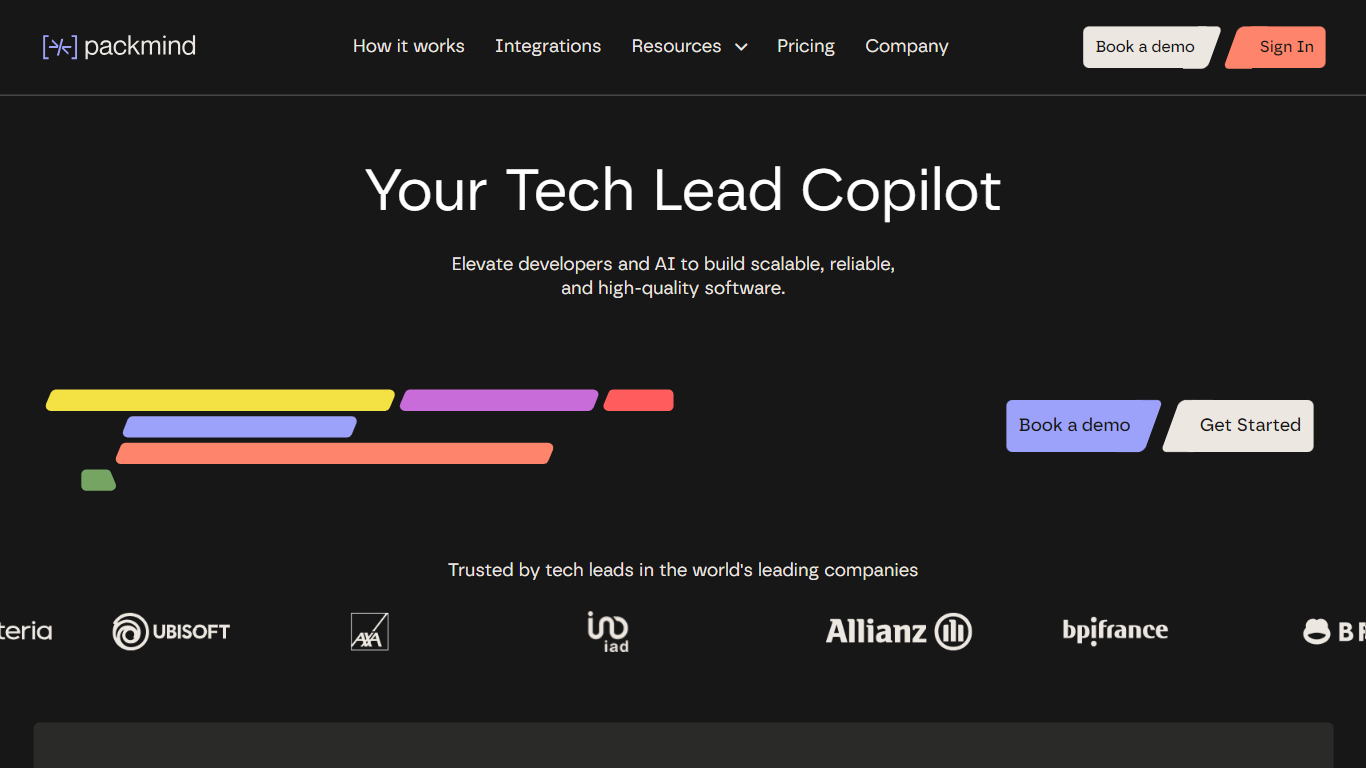
Packmind captures and governs your engineering playbook so AI coding agents across your repositories follow your team's standards instead of guessing from generic training data. It turns scattered decisions, patterns, and conventions into a versioned playbook, then distributes that context to assistants like Copilot, Cursor, Claude Code, and Gemini Code Assist.
Where generic assistants guess from training data, Packmind feeds them your team's rules. Its CLI can open pull requests that update copilot-instructions.md, AGENTS.md, and Cursor rules files, and its MCP server lets developers capture standards while coding. Violations show up in the IDE, CLI, or pre-commit with optional auto-fix before review.
Engineering leaders and platform teams use Packmind to scale agentic coding without losing consistency. The open source edition is free with unlimited developers and repositories; enterprise tiers add RBAC, SSO, SCIM, and audit trails. SOC 2 Type II certified since 2024, with public cloud or self-hosted Kubernetes deployment including air-gapped options.
ChainFuse
What is ChainFuse?
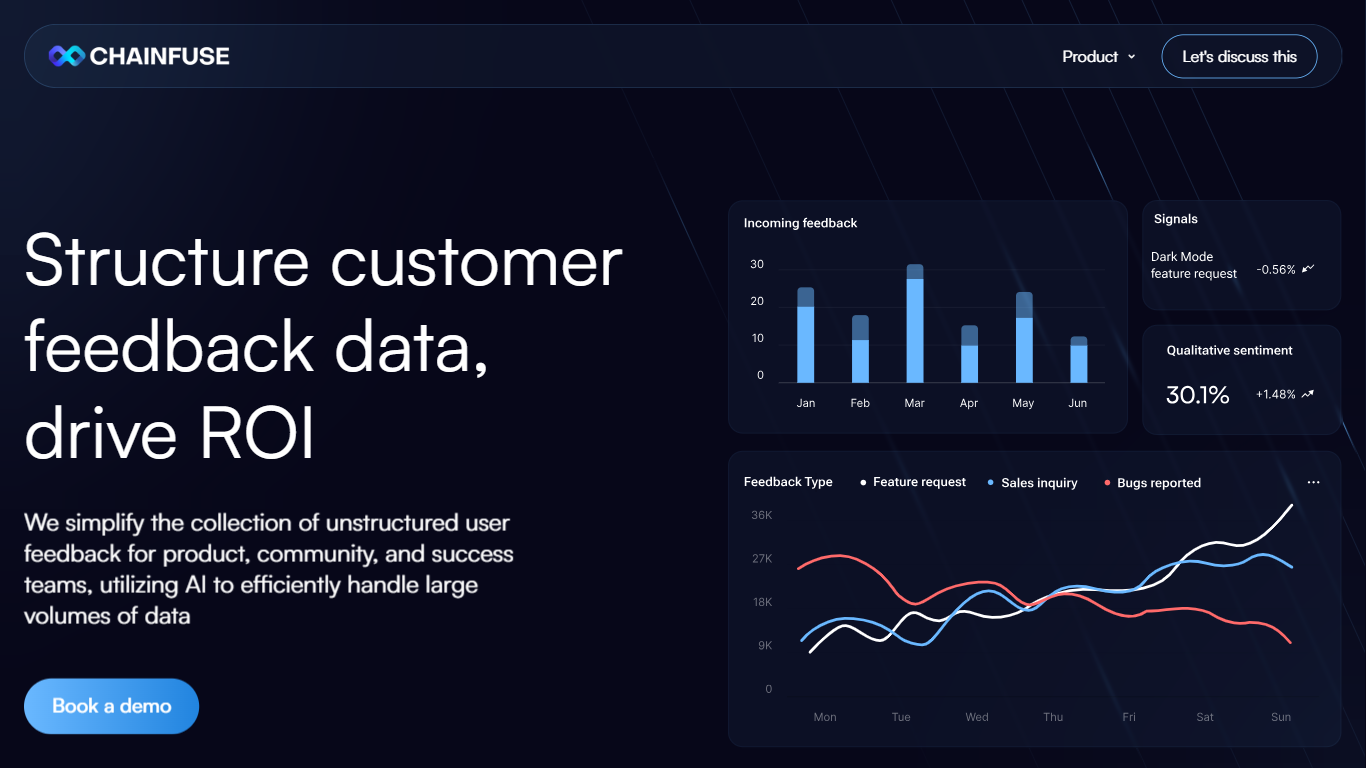
ChainFuse collects and organizes user feedback from multiple community channels to help teams improve product features. It gathers data from platforms like Discord, Slack, and Discourse, consolidating diverse user input into a single accessible location.
What sets ChainFuse apart is its use of Clair AI, a conversational assistant that allows users to explore feedback data interactively. This feature enables deeper insights and faster decision-making compared to traditional feedback tools that only aggregate data.
ChainFuse automatically categorizes feedback into feature requests, bugs, and comments, saving teams time and improving accuracy. Its seamless integration with existing workflows ensures smooth adoption without disrupting current processes.
By combining broad data collection with AI-powered analysis and conversational exploration, ChainFuse helps product and community managers identify user needs and sentiments more effectively. This leads to more informed product development and enhanced community engagement.
Packmind Upvotes
ChainFuse Upvotes
Packmind Top Features
Open source core is free with unlimited developers and repositories on GitHub and GitLab
CLI syncs standards to copilot-instructions.md, AGENTS.md, and Cursor rules via pull request
Imports standards from ADRs or Git docs, or captures rules via MCP while you code
Flags violations in VS Code, JetBrains, Visual Studio, CLI, or pre-commit with auto-fix
Distributes playbook context to Copilot, Cursor, Claude Code, Gemini Code Assist, and Junie
SOC 2 Type II certified since 2024 with cloud or self-hosted Kubernetes deployment
ChainFuse Top Features
Collect feedback from Discord, Slack, Discourse, and more for broad insights
Automatically categorize feedback into features, bugs, and comments to save time
Generate AI-powered reports and presentations for clear communication
Use Clair AI to ask questions and explore feedback data conversationally
Integrate easily with existing tools and workflows for smooth adoption
Free tier supports up to 3 sources and 500 signals per month
Pricing plans start at $200/month with scalable options
Packmind Category
- Automation
ChainFuse Category
- Automation
Packmind Pricing Type
- Freemium
ChainFuse Pricing Type
- Paid