Packmind vs ContextQA
In the clash of Packmind vs ContextQA, which AI Automation tool emerges victorious? We assess reviews, pricing, alternatives, features, upvotes, and more.
When we put Packmind and ContextQA head to head, which one emerges as the victor?
Let's take a closer look at Packmind and ContextQA, both of which are AI-driven automation tools, and see what sets them apart. Interestingly, both tools have managed to secure the same number of upvotes. Your vote matters! Help us decide the winner among aitools.fyi users by casting your vote.
Feeling rebellious? Cast your vote and shake things up!
Packmind

What is Packmind?
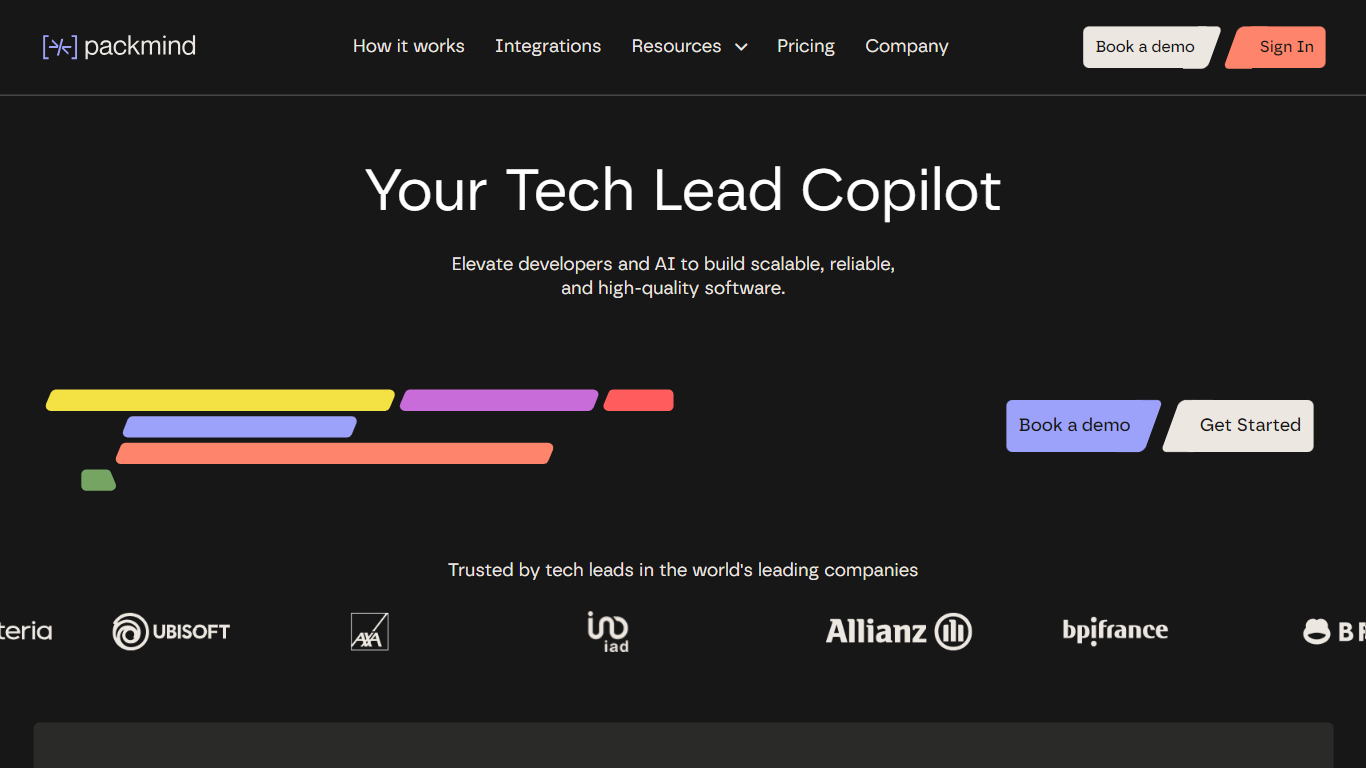
Packmind captures and governs your engineering playbook so AI coding agents across your repositories follow your team's standards instead of guessing from generic training data. It turns scattered decisions, patterns, and conventions into a versioned playbook, then distributes that context to assistants like Copilot, Cursor, Claude Code, and Gemini Code Assist.
Where generic assistants guess from training data, Packmind feeds them your team's rules. Its CLI can open pull requests that update copilot-instructions.md, AGENTS.md, and Cursor rules files, and its MCP server lets developers capture standards while coding. Violations show up in the IDE, CLI, or pre-commit with optional auto-fix before review.
Engineering leaders and platform teams use Packmind to scale agentic coding without losing consistency. The open source edition is free with unlimited developers and repositories; enterprise tiers add RBAC, SSO, SCIM, and audit trails. SOC 2 Type II certified since 2024, with public cloud or self-hosted Kubernetes deployment including air-gapped options.
ContextQA
What is ContextQA?
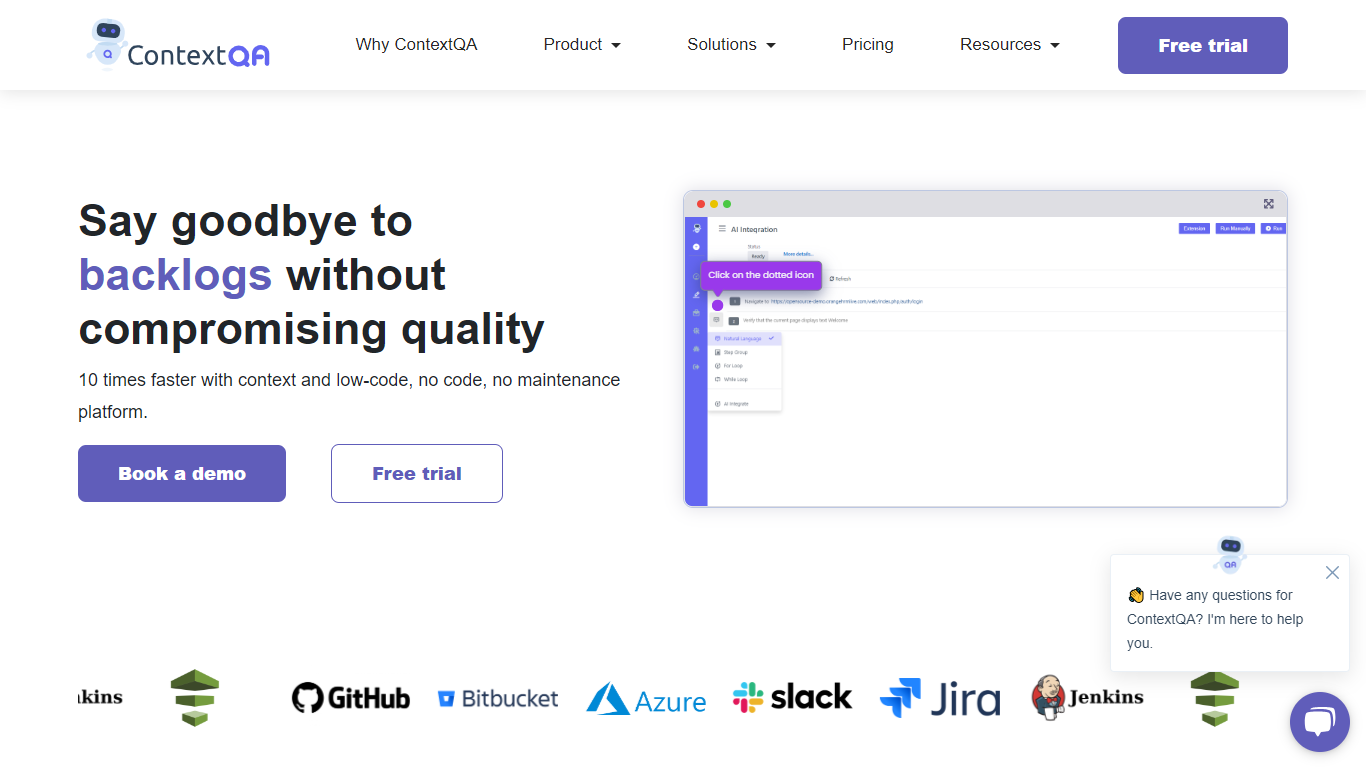
ContextQA is an AI test automation platform for enterprise teams that need to validate both traditional applications and AI agents from one place. It generates test cases from your flows, runs them across web, mobile, and API surfaces, and auto-heals broken selectors when the UI changes.
The platform also tests AI agents as a black box on platforms like Agentforce, Amazon Bedrock, Azure AI Foundry, and Snowflake Cortex. It generates adversarial scenarios, scores responses with AI judgment and deterministic checks, and catches hallucinations or behavioral drift before release.
ContextQA integrates with Jenkins, GitHub Actions, Jira, and other CI/CD tools. It offers MCP support for running tests from Cursor, Claude Code, or ChatGPT, plus on-premises deployment for regulated environments.
Packmind Upvotes
ContextQA Upvotes
Packmind Top Features
Open source core is free with unlimited developers and repositories on GitHub and GitLab
CLI syncs standards to copilot-instructions.md, AGENTS.md, and Cursor rules via pull request
Imports standards from ADRs or Git docs, or captures rules via MCP while you code
Flags violations in VS Code, JetBrains, Visual Studio, CLI, or pre-commit with auto-fix
Distributes playbook context to Copilot, Cursor, Claude Code, Gemini Code Assist, and Junie
SOC 2 Type II certified since 2024 with cloud or self-hosted Kubernetes deployment
ContextQA Top Features
AI-generated test cases from application flows without manual scripting
Self-healing tests that patch broken selectors when the DOM changes
Black-box AI agent testing for hallucinations, guardrails, and regression drift
Parallel execution across browsers, devices, and CI/CD pipelines
MCP integration to run testing workflows from Cursor, Claude, or ChatGPT
Packmind Category
- Automation
ContextQA Category
- Automation
Packmind Pricing Type
- Freemium
ContextQA Pricing Type
- Paid