Packmind vs LazyApply
Compare Packmind vs LazyApply and see which AI Automation tool is better when we compare features, reviews, pricing, alternatives, upvotes, etc.
Which one is better? Packmind or LazyApply?
When we compare Packmind with LazyApply, which are both AI-powered automation tools, LazyApply is the clear winner in terms of upvotes. LazyApply has attracted 7 upvotes from aitools.fyi users, and Packmind has attracted 6 upvotes.
Don't agree with the result? Cast your vote and be a part of the decision-making process!
Packmind

What is Packmind?
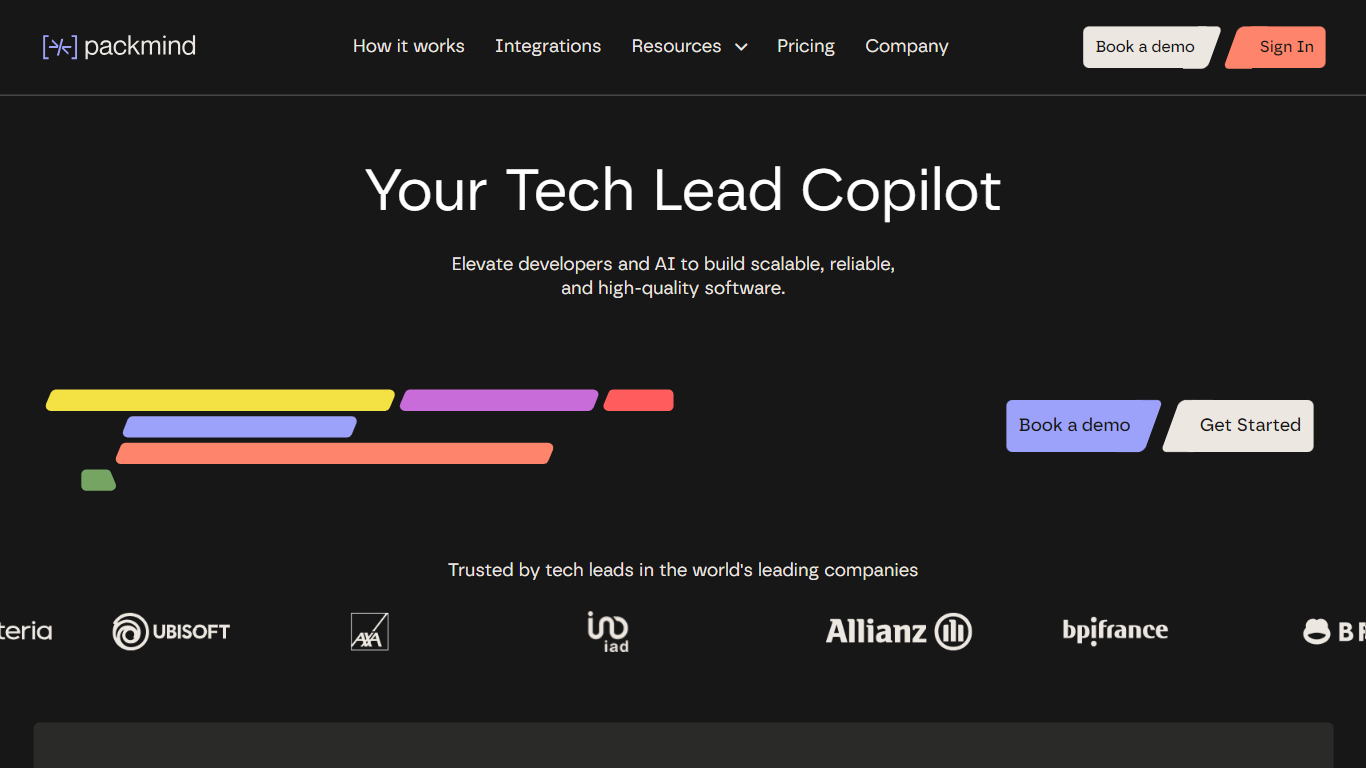
Packmind captures and governs your engineering playbook so AI coding agents across your repositories follow your team's standards instead of guessing from generic training data. It turns scattered decisions, patterns, and conventions into a versioned playbook, then distributes that context to assistants like Copilot, Cursor, Claude Code, and Gemini Code Assist.
Where generic assistants guess from training data, Packmind feeds them your team's rules. Its CLI can open pull requests that update copilot-instructions.md, AGENTS.md, and Cursor rules files, and its MCP server lets developers capture standards while coding. Violations show up in the IDE, CLI, or pre-commit with optional auto-fix before review.
Engineering leaders and platform teams use Packmind to scale agentic coding without losing consistency. The open source edition is free with unlimited developers and repositories; enterprise tiers add RBAC, SSO, SCIM, and audit trails. SOC 2 Type II certified since 2024, with public cloud or self-hosted Kubernetes deployment including air-gapped options.
LazyApply
What is LazyApply?
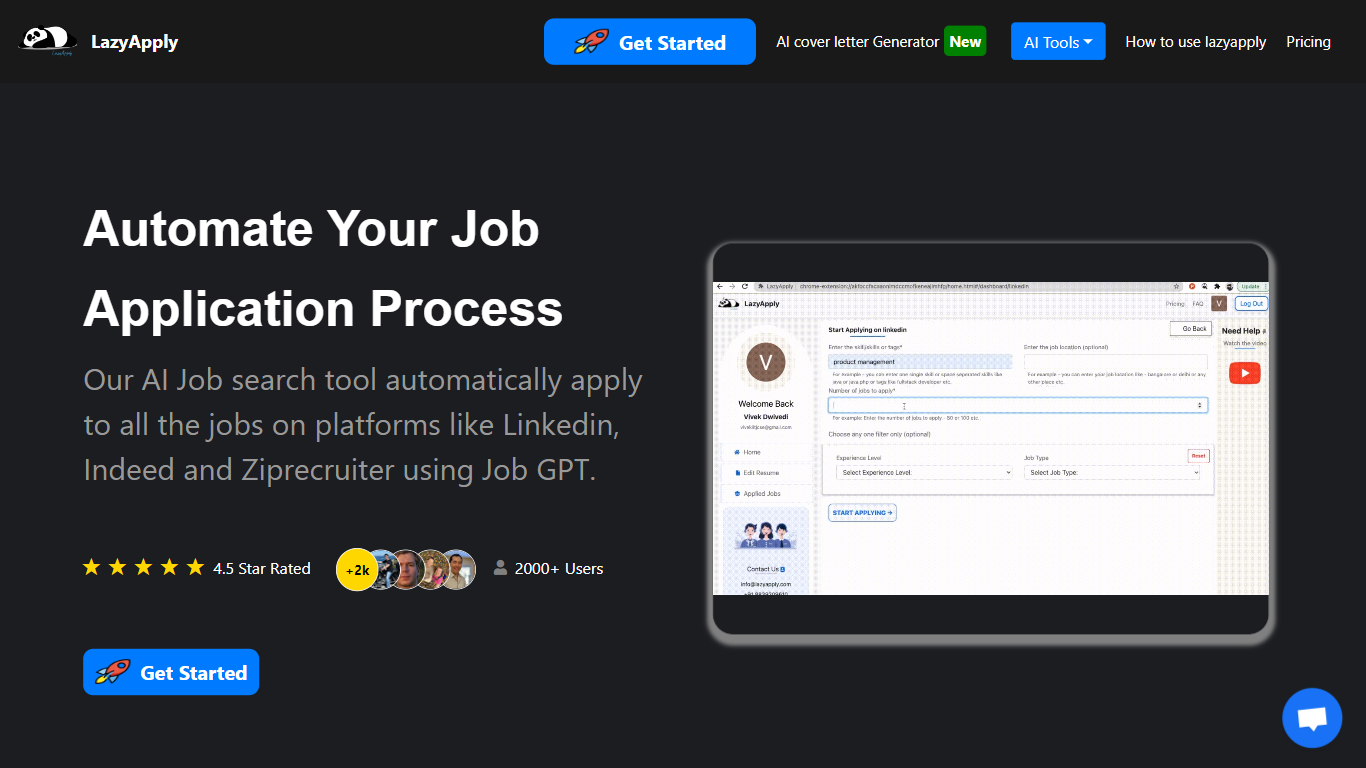
LazyApply automates job applications across Greenhouse, Dice, Indeed, and ZipRecruiter through a browser extension and Job GPT autofill. You pick target roles, and the agent submits forms with your resume data while tracking every application in one analytics dashboard.
Manual apply tools still make you click through each posting. LazyApply batches applications at scale, sends smart referral emails to employees at target companies, and includes a GPT-4o cover letter generator with five free letters before signup. The trade-off is annual billing starting at $99 and a Gmail account requirement for plan activation.
Active job seekers use LazyApply to hit 50 to 150 applications per day on Premium or Ultimate tiers instead of a handful of manual submissions. The Ultimate plan allows up to 1,500 applications per day with 20 resume profiles.
Packmind Upvotes
LazyApply Upvotes
Packmind Top Features
Open source core is free with unlimited developers and repositories on GitHub and GitLab
CLI syncs standards to copilot-instructions.md, AGENTS.md, and Cursor rules via pull request
Imports standards from ADRs or Git docs, or captures rules via MCP while you code
Flags violations in VS Code, JetBrains, Visual Studio, CLI, or pre-commit with auto-fix
Distributes playbook context to Copilot, Cursor, Claude Code, Gemini Code Assist, and Junie
SOC 2 Type II certified since 2024 with cloud or self-hosted Kubernetes deployment
LazyApply Top Features
Premium plan at $149 per year for 150 job applications per day
Automated applications on Greenhouse, Dice, Indeed, and ZipRecruiter
Job GPT autofill fills application forms from your saved profile data
Smart referral emails to employees at companies you apply to
Cover letter generator powered by GPT-4o with five free letters
Ultimate plan at $999 per year supports 1,500 applications per day
Analytics dashboard tracks applications and referral emails in real time
Packmind Category
- Automation
LazyApply Category
- Automation
Packmind Pricing Type
- Freemium
LazyApply Pricing Type
- Paid