Packmind vs LoopCV
When comparing Packmind vs LoopCV, which AI Automation tool shines brighter? We look at pricing, alternatives, upvotes, features, reviews, and more.
Between Packmind and LoopCV, which one is superior?
When we put Packmind and LoopCV side by side, both being AI-powered automation tools, Neither tool takes the lead, as they both have the same upvote count. Since other aitools.fyi users could decide the winner, the ball is in your court now to cast your vote and help us determine the winner.
Feeling rebellious? Cast your vote and shake things up!
Packmind
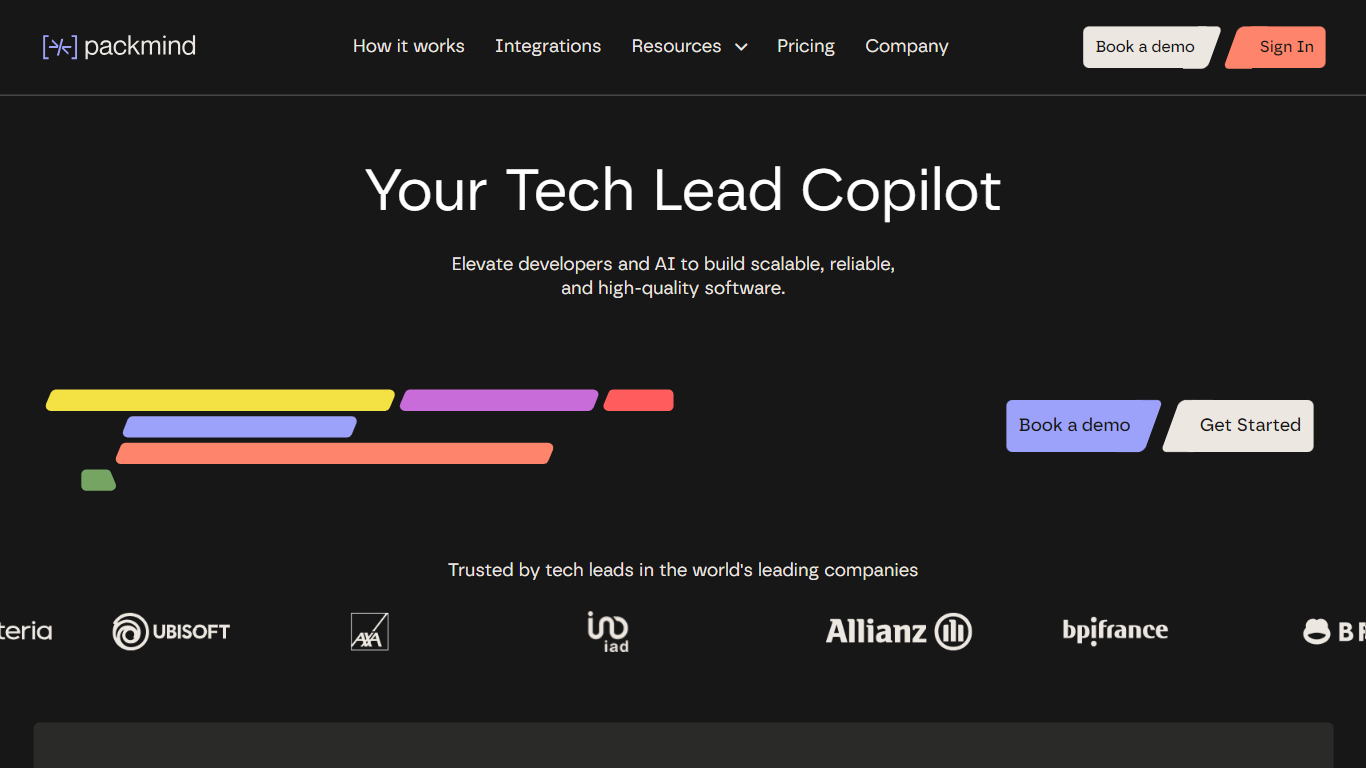

What is Packmind?
Packmind captures and governs your engineering playbook so AI coding agents across your repositories follow your team's standards instead of guessing from generic training data. It turns scattered decisions, patterns, and conventions into a versioned playbook, then distributes that context to assistants like Copilot, Cursor, Claude Code, and Gemini Code Assist.
Where generic assistants guess from training data, Packmind feeds them your team's rules. Its CLI can open pull requests that update copilot-instructions.md, AGENTS.md, and Cursor rules files, and its MCP server lets developers capture standards while coding. Violations show up in the IDE, CLI, or pre-commit with optional auto-fix before review.
Engineering leaders and platform teams use Packmind to scale agentic coding without losing consistency. The open source edition is free with unlimited developers and repositories; enterprise tiers add RBAC, SSO, SCIM, and audit trails. SOC 2 Type II certified since 2024, with public cloud or self-hosted Kubernetes deployment including air-gapped options.
LoopCV
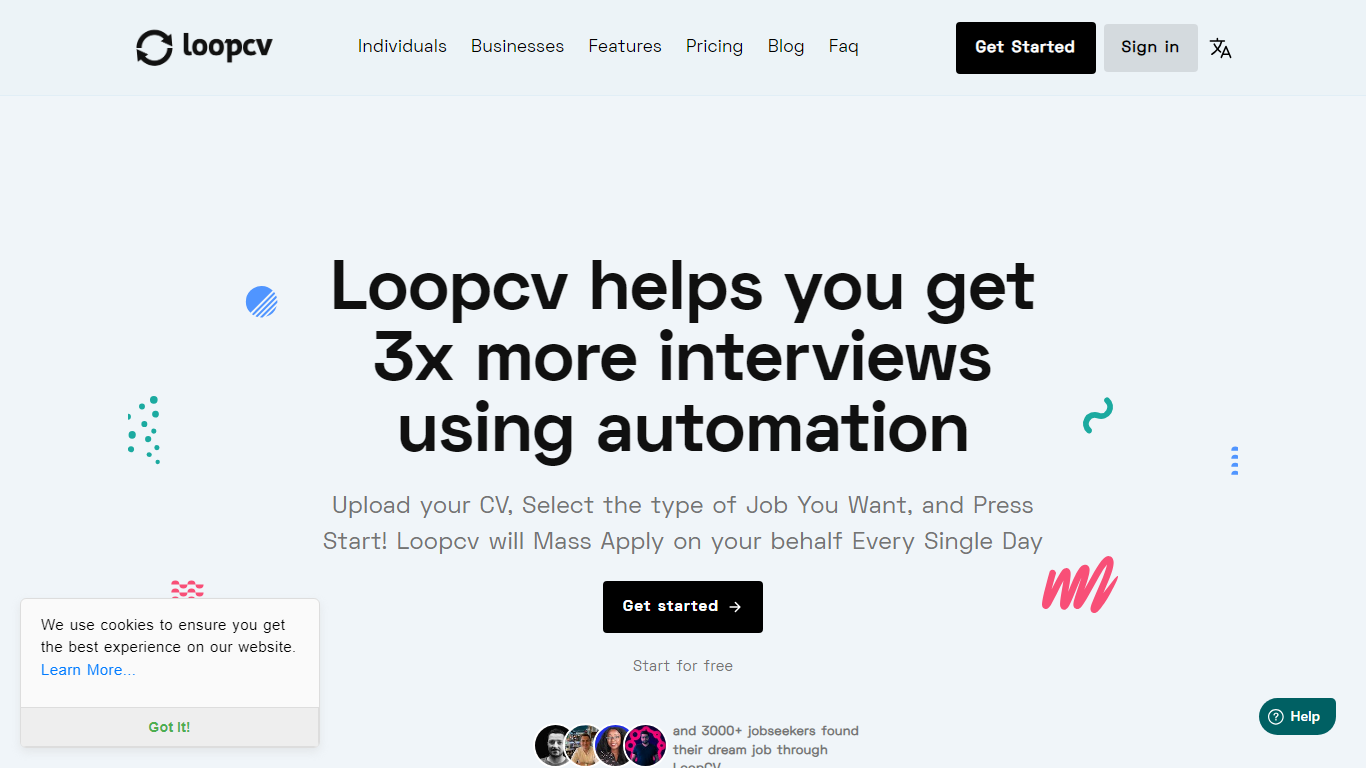
What is LoopCV?
LoopCV uploads your CV once, then applies to matching roles every day while you focus on interview prep. It searches LinkedIn, Indeed, Glassdoor, Workday, Greenhouse, and more than 30 other sources on a set schedule, submitting through ATS forms, recruiter emails, or its Chrome extension. You can run fully automatic loops or approve each match before it sends.
Where most job trackers stop at organizing listings you still have to click through, LoopCV treats application volume as the core product. It pairs auto-apply loops with recruiter outreach templates, company exclusion lists, and analytics on which CV versions get opened. The free Basic Looper plan caps monthly applications, so heavy searchers need a paid tier.
Job seekers, freelancers, and interns use it to stop re-entering the same details on every form. Universities, bootcamps, and career coaches can also license whitelabel versions for cohort job hunts. If you want interview volume without opening job boards every morning, LoopCV is built for that daily grind.
Packmind Upvotes
LoopCV Upvotes
Packmind Top Features
Open source core is free with unlimited developers and repositories on GitHub and GitLab
CLI syncs standards to copilot-instructions.md, AGENTS.md, and Cursor rules via pull request
Imports standards from ADRs or Git docs, or captures rules via MCP while you code
Flags violations in VS Code, JetBrains, Visual Studio, CLI, or pre-commit with auto-fix
Distributes playbook context to Copilot, Cursor, Claude Code, Gemini Code Assist, and Junie
SOC 2 Type II certified since 2024 with cloud or self-hosted Kubernetes deployment
LoopCV Top Features
Basic Looper free plan includes up to 10 applications or emails per month across 3 job boards
Premium Looper supports up to 300 applications monthly on 20 job boards
Daily scans cover LinkedIn, Indeed, Glassdoor, Workday, Greenhouse, and 30+ more sources
Chrome extension applies through logged-in job boards without storing your passwords
Dashboard tracks email opens, replies, and which CV version gets the most responses
Premium adds auto-fill for screening questions on multi-step ATS forms
Packmind Category
- Automation
LoopCV Category
- Automation
Packmind Pricing Type
- Freemium
LoopCV Pricing Type
- Freemium