Pixelcode vs Qodo (formerly CodiumAI)
Compare Pixelcode vs Qodo (formerly CodiumAI) and see which AI Code Assistant tool is better when we compare features, reviews, pricing, alternatives, upvotes, etc.
Which one is better? Pixelcode or Qodo (formerly CodiumAI)?
When we compare Pixelcode with Qodo (formerly CodiumAI), which are both AI-powered code assistant tools, In the race for upvotes, Qodo (formerly CodiumAI) takes the trophy. The number of upvotes for Qodo (formerly CodiumAI) stands at 14, and for Pixelcode it's 6.
Does the result make you go "hmm"? Cast your vote and turn that frown upside down!
Pixelcode
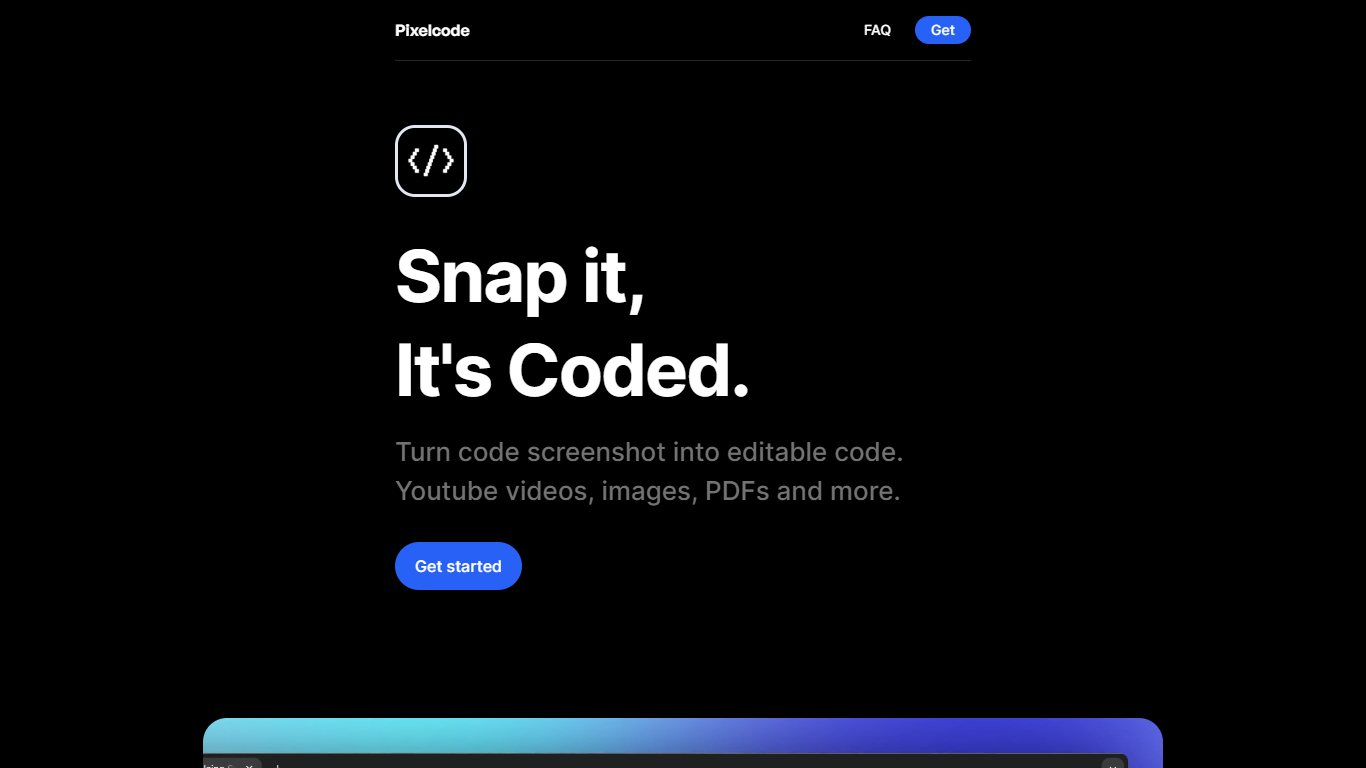

What is Pixelcode?
Pixelcode turns code screenshots, YouTube frames, images, and PDFs into editable source text through a Chrome extension. Click the extension, crop the snippet you need, and the extracted code lands on your clipboard formatted for your IDE instead of forcing a manual retype.
Generic OCR tools flatten indentation and miss language syntax. Pixelcode targets developer workflows with automatic language detection across 30 plus languages, precision cropping from a few lines to long blocks, and optional unlimited extraction when you connect your own ChatGPT API key on the $35 lifetime tier instead of buying screenshot credits.
Developers learning from video tutorials, reviewing legacy PDF docs, or capturing snippets from blog images use Pixelcode when they want paste-ready code without rebuilding formatting by hand.
Qodo (formerly CodiumAI)
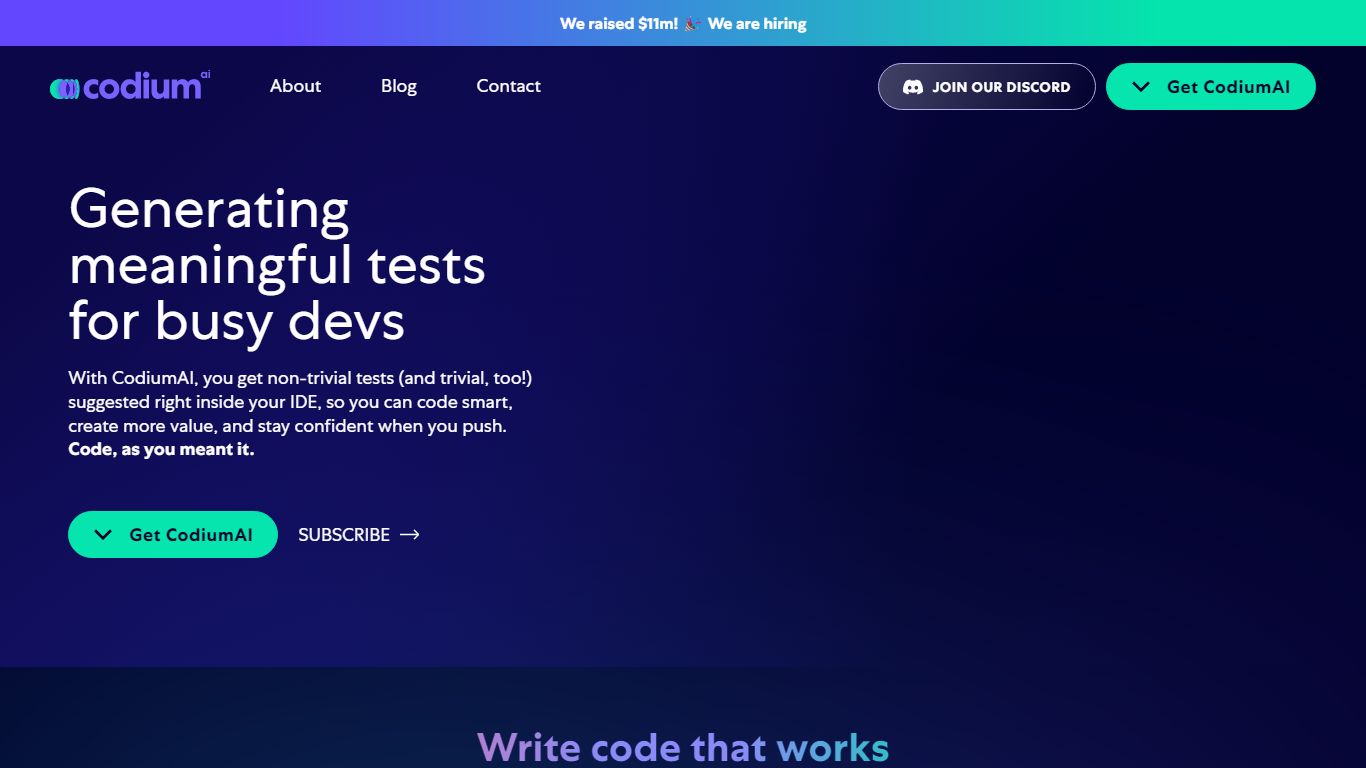
What is Qodo (formerly CodiumAI)?
Qodo is a code assistant and AI code review platform that runs in your IDE, pull requests, CLI, and Git workflows. It started as CodiumAI with test generation and now focuses on agentic code review, living rules, and governance across large codebases. The VS Code extension has 891.7K installs and the JetBrains plugin has 642.7K.
Where generic review bots flag style nits on a single diff, Qodo reasons over full codebase context, PR history, and mined team rules. That is how it targets real bugs and breaking cross-repo changes instead of flooding PRs with noise. Cross-repo review maps dependencies between services so a shared library change flags downstream consumers before merge.
Engineering teams at companies like NVIDIA and Booking.com use Qodo to keep standards consistent as AI coding tools speed up output. It fits platform leads who need enforceable rules, security reviewers who want SOC 2 Type II controls, and teams on GitHub, GitLab, Bitbucket, or Azure DevOps who want review agents without migrating repos.
Pixelcode Upvotes
Qodo (formerly CodiumAI) Upvotes
Pixelcode Top Features
Chrome extension captures and crops code directly in the browser with clipboard output
Recognizes 30+ programming languages including JavaScript, Python, Java, Swift, and Ruby
Pay-per-use lifetime plan costs $15 with 20 free screenshots and $8 per 100 additional captures
Unlimited lifetime tier at $35 routes extraction through your own ChatGPT API key
Processes code from YouTube video frames, static images, and PDF documents
API keys stay on your device and are not stored on Pixelcode servers per the FAQ
Qodo (formerly CodiumAI) Top Features
891.7K VS Code installs and 642.7K JetBrains plugin installs listed on the homepage
Agentic PR review agents reason over full codebase context, not just the diff
Cross-repo review flags breaking changes across dependent repositories before merge
Living rules system mines patterns from PR history and enforces standards on every change
Pro Team plans start at $30 per month with credit packs from 2,500 to 20,000 credits
Integrates with GitHub, GitLab, Bitbucket, and Azure DevOps plus VS Code and JetBrains IDEs
Pixelcode Category
- Code Assistant
Qodo (formerly CodiumAI) Category
- Code Assistant
Pixelcode Pricing Type
- Paid
Qodo (formerly CodiumAI) Pricing Type
- Paid