Pixelgen vs Ostagram
In the contest of Pixelgen vs Ostagram, which AI Design tool is the champion? We evaluate pricing, alternatives, upvotes, features, reviews, and more.
If you had to choose between Pixelgen and Ostagram, which one would you go for?
When we examine Pixelgen and Ostagram, both of which are AI-enabled design tools, what unique characteristics do we discover? There's no clear winner in terms of upvotes, as both tools have received the same number. Join the aitools.fyi users in deciding the winner by casting your vote.
Don't agree with the result? Cast your vote and be a part of the decision-making process!
Pixelgen


What is Pixelgen?
Pixelgen is a forward-thinking platform that enables users to craft and manipulate pixel-based images with ease. With a focus on simplicity and user experience, Pixelgen presents a set of intuitive tools designed for both novices and professionals seeking to create, edit, or enhance their digital graphics.
The software features a user-friendly interface that simplifies the process of generating pixel art, providing an array of functionalities from basic editing to more advanced features for detailed and intricate designs.
Whether you're a game developer needing sprites for your game, a digital artist exploring the pixel art style, or a hobbyist looking to express creativity, Pixelgen offers the perfect blend of accessibility and power to bring your pixel creations to life.
Ostagram
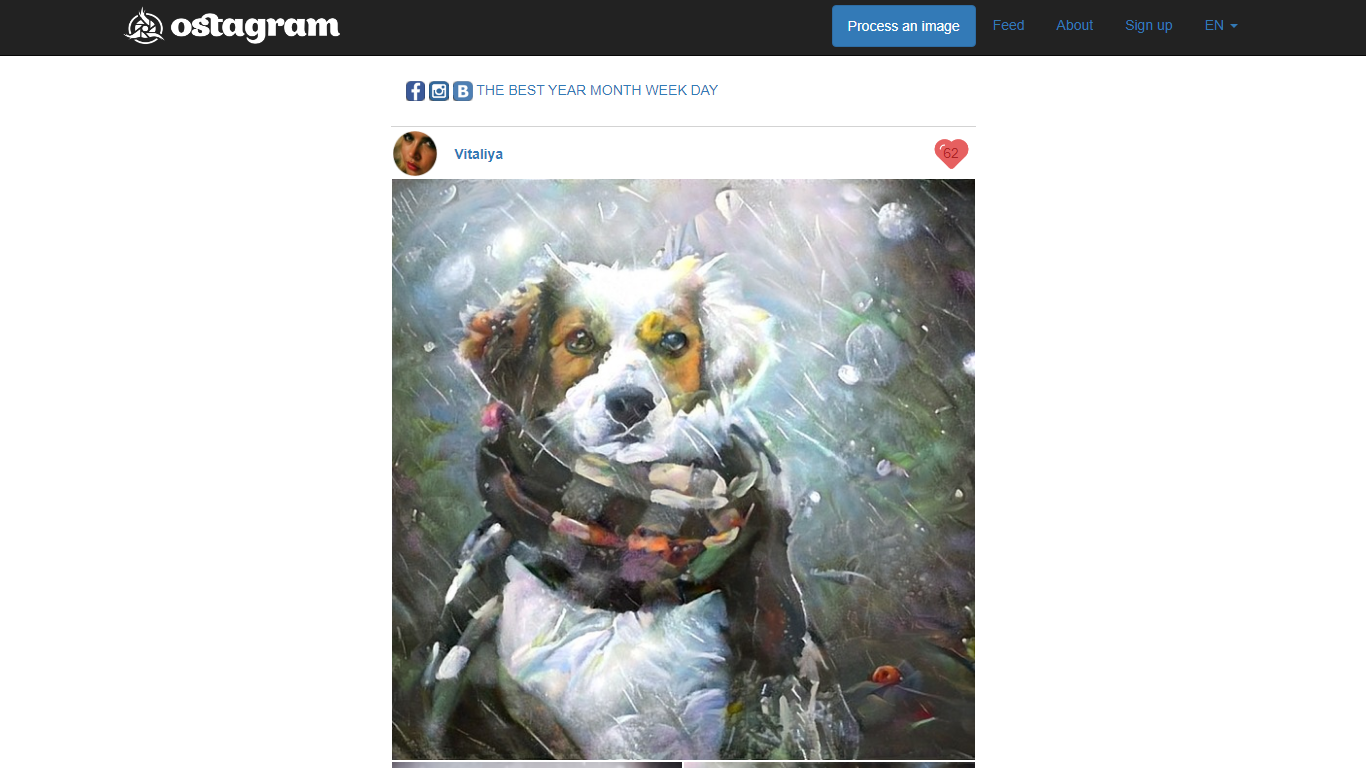
What is Ostagram?
Ostagram blends a photo you upload with the artistic style of a second reference image using neural style transfer. You pick a content photo and a style source, then the site runs a convolutional network based on the Gatys artistic style algorithm described on its About page. Results land in a public feed where you can browse day, week, month, and year leaderboards while long jobs finish.
Phone filter apps slap one-click presets on your shots. Ostagram instead merges two specific images so you control both the scene and the painter or texture you imitate, which is closer to classic style transfer research than a generic art filter. The trade-off is wait time: the About page estimates about 1.5 to 2 hours of processing on an average home computer, so you browse the gallery instead of staring at a progress bar.
Hobbyist designers, digital artists, and photo experimenters who want painterly remixes without manual brushwork are the natural audience. English and Chinese language options on the feed navigation suit a global community posting to the shared gallery.
Pixelgen Upvotes
Ostagram Upvotes
Pixelgen Top Features
Intuitive Design: A user-friendly interface that caters to both beginners and professionals.
Pixel Art Creation: Allows for the crafting of pixel-based imagery, perfect for game developers and artists.
Advanced Editing Tools: Offers a variety of editing options for creating detailed and intricate designs.
Accessibility: Designed to be accessible to users with different skill levels.
Versatility: Suitable for various creative projects, including game design and digital art.
Ostagram Top Features
Combines a user photo with a separate style image through neural style transfer on the About page
Processing takes about 1.5 to 2 hours on an average home computer per the About page estimate
Public feed with best, year, month, week, and day leaderboards on the gallery pages
English and Chinese locale switchers listed in the site navigation
Registration required before you can upload pictures for processing per the About page
Algorithm reference links to the Gatys artistic style paper and an official GitHub repository
Pixelgen Category
- Design
Ostagram Category
- Design
Pixelgen Pricing Type
- Freemium
Ostagram Pricing Type
- Freemium