Rude Karma vs Selfgazer
In the battle of Rude Karma vs Selfgazer, which AI Astrology tool comes out on top? We compare reviews, pricing, alternatives, upvotes, features, and more.
Between Rude Karma and Selfgazer, which one is superior?
Upon comparing Rude Karma with Selfgazer, which are both AI-powered astrology tools, Selfgazer stands out as the clear frontrunner in terms of upvotes. Selfgazer has 7 upvotes, and Rude Karma has 6 upvotes.
Don't agree with the result? Cast your vote and be a part of the decision-making process!
Rude Karma
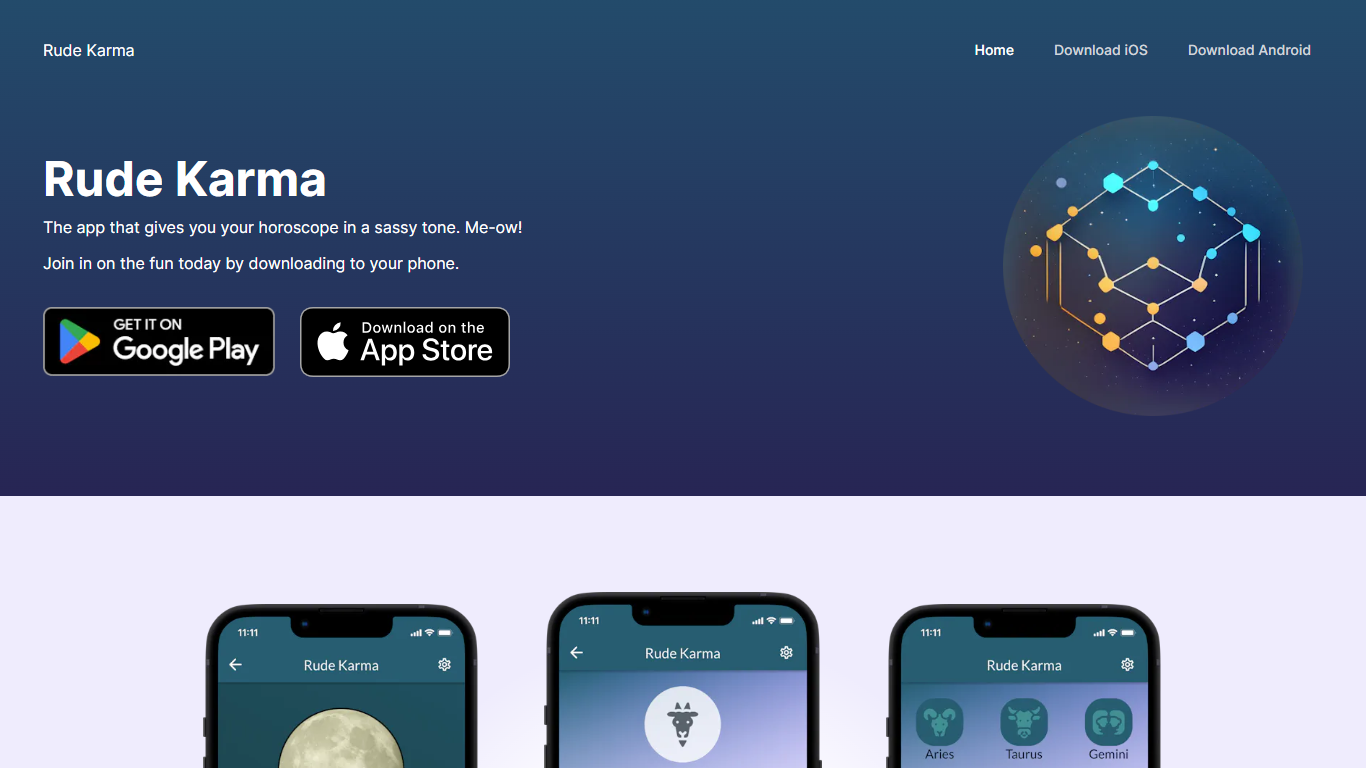

What is Rude Karma?
Rude Karma delivers daily horoscopes, birth chart readings, and lunar updates with a blunt, humorous voice. The mobile app lets you pick rude or nice tones for your sign, peek at other zodiac signs, and ask cosmic questions through its Astral Inquisitions feature. It is built for astrology fans who want personality in the copy, not generic sun-sign blurbs.
Most horoscope apps read like greeting cards. Rude Karma leans into tough-love sass and pairs human writers with AI to generate both rude and nice readings. The FAQ confirms the app is free with ads, and reviewers on the App Store and Google Play highlight the detailed free birth chart as a standout.
Astrology curious users download Rude Karma on iOS or Android. Birth details power personalized charts, while celestial phase tracking covers moon cycles and retrogrades for users who want timing context beyond a daily quote.
Selfgazer

What is Selfgazer?
Selfgazer combines astrology, tarot, I Ching, and Bazi readings inside one self-reflection app built on Jungian psychology. You can generate a birth chart, pull guided tarot spreads, consult the Selfgazer Oracle, and read weekly horoscopes tied to your natal placements.
Most astrology apps stop at sun-sign horoscopes or generic chatbot text. Selfgazer runs chart math on Swiss Ephemeris, the same engine professional astrologers use, then layers Jungian interpretive frameworks across tarot, synastry, and I Ching consultations in a single interface.
People exploring shadow work, relationship compatibility, or daily spiritual practice use Selfgazer for birth chart analysis, synastry comparisons, emotional check-ins, and a large library of essays on archetypes and divination. The site notes it cannot diagnose or treat mental health conditions.
Rude Karma Upvotes
Selfgazer Upvotes
Rude Karma Top Features
Daily horoscopes in rude or nice tone for your zodiac sign
Birth chart interpretation included in the free version
Real-time lunar phases, retrogrades, and celestial event tracking
Astral Inquisitions for cosmic questions about transits and charts
Weekly Focus self-improvement prompts with meditation or exercise ideas
iOS and Android apps with no account required to browse other signs
Selfgazer Top Features
Birth chart analysis uses Swiss Ephemeris, the professional astrological computation engine
Selfgazer Oracle blends astrology, tarot, and I Ching guidance with interactive follow-up dialogue
Weekly horoscope readings compare current planetary transits to your stored natal chart
Guided tarot and I Ching modules include emotional check-ins for psychological integration
Synastry analysis compares two charts for relationship compatibility through the Oracle
Bazi chart readings use birth time to map traditional Chinese destiny and character patterns
Rude Karma Category
- Astrology
Selfgazer Category
- Astrology
Rude Karma Pricing Type
- Free
Selfgazer Pricing Type
- Freemium