SDF vs AI Query
When comparing SDF vs AI Query, which AI SQL tool shines brighter? We look at pricing, alternatives, upvotes, features, reviews, and more.
In a comparison between SDF and AI Query, which one comes out on top?
When we put SDF and AI Query side by side, both being AI-powered sql tools, The upvote count reveals a draw, with both tools earning the same number of upvotes. The power is in your hands! Cast your vote and have a say in deciding the winner.
Disagree with the result? Upvote your favorite tool and help it win!
SDF
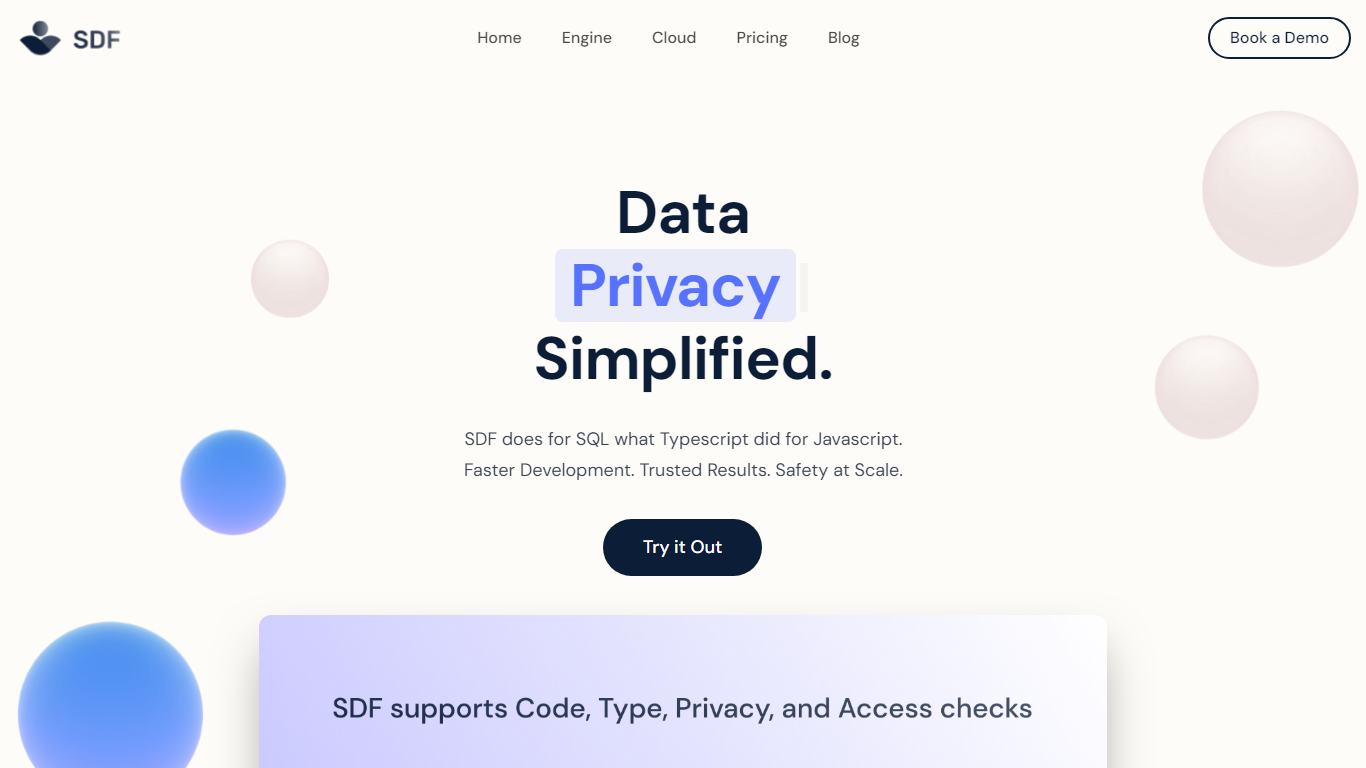

What is SDF?
SDF is a SQL comprehension engine that reads warehouse SQL, builds intermediate representations of each query, and flags mistakes before anything runs. It sits in the analytics stack between raw SQL text and the database, giving teams compile-time insight into syntax, types, and downstream column shapes.
Most SQL linters stop at surface syntax. SDF works through three stacked levels: parsing into a syntax tree, compiling a logical plan with function signatures and return types, and executing a physical plan when data-level checks matter. That ladder catches wrong argument order on Snowflake dateadd calls and impossible cast dates that parsers alone would miss, which is why dbt Labs bought SDF Labs to embed the engine inside dbt rather than bolt on another string preprocessor.
Analytics engineers and dbt developers use SDF to harden large warehouse projects, trace column-level lineage, and ship transformations with fewer surprise runtime failures. Since the mid-2024 GA launch, sdf.com routes visitors to dbt Labs pages explaining how the acquisition folds SDF into the next dbt engine.
AI Query
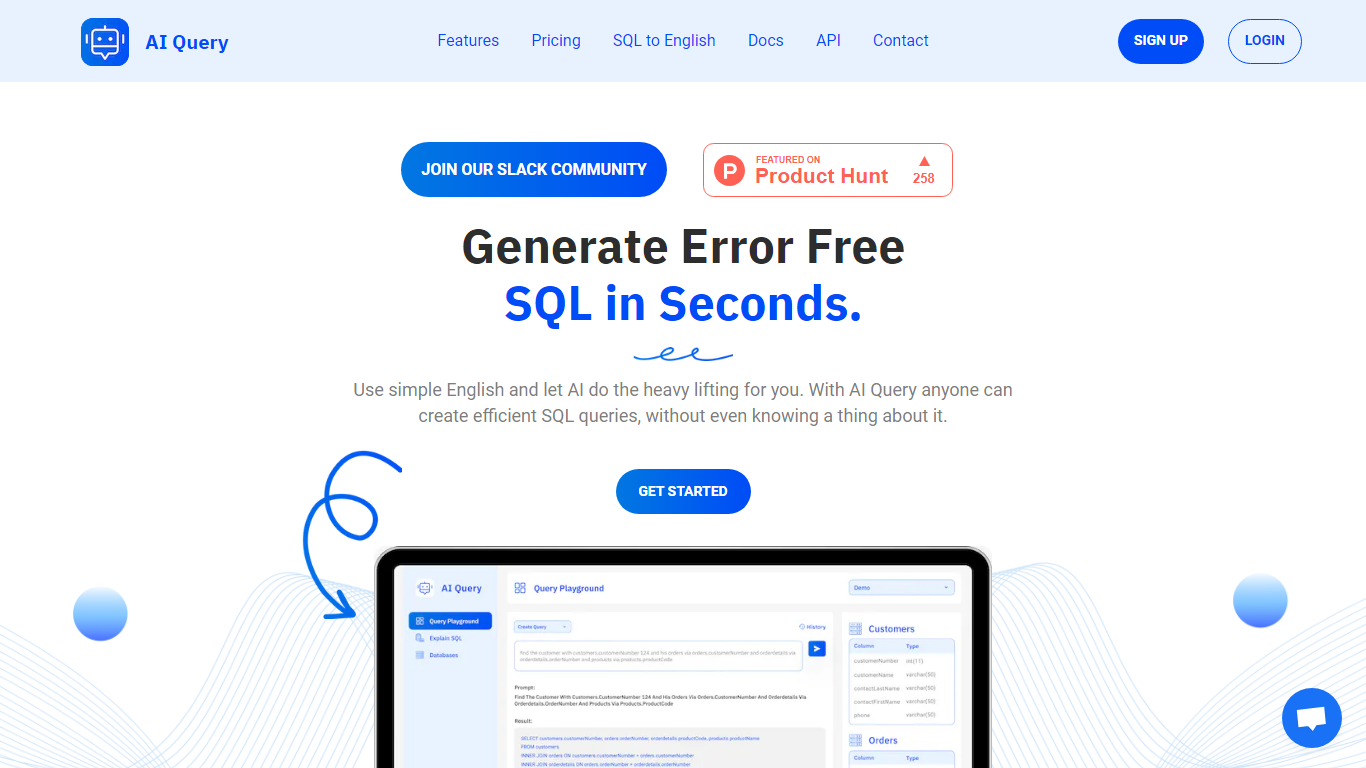
What is AI Query?
AI Query writes SQL from plain English prompts and explains existing queries back in everyday language. You define your database schema in the dashboard, describe what data you need, and the tool returns queries tuned to PostgreSQL, MySQL, BigQuery, Snowflake, Oracle, and other supported engines. Analysts and developers who know the business question but not the syntax use it to skip manual query drafting.
Unlike generic chatbots that guess table names, AI Query starts from schemas you upload and keeps a history of generated queries you can save and share. The SQL-to-English translator runs the other direction when you inherit a complex statement and need a readable breakdown. Yearly billing also advertises faster response speeds and priority feature access compared to monthly Pro.
Data teams, product managers, and junior developers are the core audience. The Pro plan unlocks unlimited generation, explanations, schema definitions, saved queries, and history through app.aiquery.co, with docs and an API for teams that want to embed the workflow.
SDF Upvotes
AI Query Upvotes
SDF Top Features
Three SQL comprehension levels: parsing syntax trees, compiling logical plans, and executing physical plans
Level 2 compilation validates Snowflake function signatures and catches wrong dateadd argument order before runtime
dbt Labs acquisition targets true column-level lineage inside dbt projects
Static analysis flags impossible casts such as January 32 dates that parsers approve
Logical plans infer column return types without executing warehouse queries
AI Query Top Features
Converts plain English prompts into SQL for PostgreSQL, MySQL, BigQuery, Snowflake, Oracle, and more
Pro plan costs $10 per month or $100 per year with two months free on annual billing
SQL-to-English translator explains complex statements in readable language
Dashboard lets you define database tables and schemas before generating queries
Saves query history and supports sharing generated SQL with teammates
Yearly Pro tier advertises faster AI response speeds and priority feature access
SDF Category
- SQL
AI Query Category
- SQL
SDF Pricing Type
- Paid
AI Query Pricing Type
- Paid