Shakespeare vs Writesonic
Explore the showdown between Shakespeare vs Writesonic and find out which AI Marketing tool wins. We analyze upvotes, features, reviews, pricing, alternatives, and more.
When comparing Shakespeare and Writesonic, which one rises above the other?
When we contrast Shakespeare with Writesonic, both of which are exceptional AI-operated marketing tools, and place them side by side, we can spot several crucial similarities and divergences. Writesonic is the clear winner in terms of upvotes. The number of upvotes for Writesonic stands at 12, and for Shakespeare it's 6.
Want to flip the script? Upvote your favorite tool and change the game!
Shakespeare
What is Shakespeare?
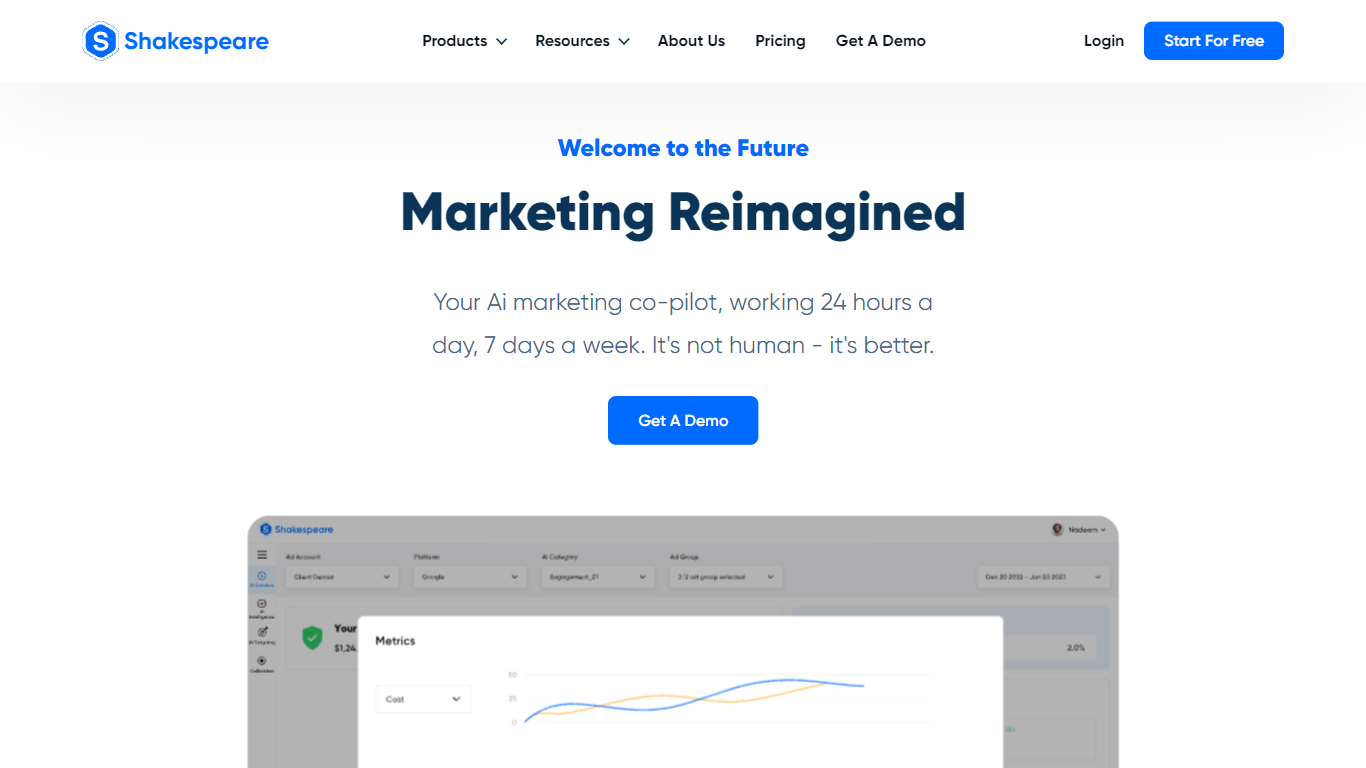
Shakespeare connects to your ad accounts and runs marketing optimization, creative generation, and audience targeting from one dashboard. It reads first-party and historical campaign data, then adjusts bids, creatives, and cohort targeting in real time instead of waiting for weekly manual reviews.
Most martech stacks split targeting, creative, and performance tools across separate vendors. Shakespeare bundles all three as Targeting AI, Creative AI, and Optimization AI, which cuts the handoffs that slow down paid social and search teams juggling Google and Meta.
Plans start at $149 per month for one ad platform plus a percentage fee on monthly ad spend. A 7-day free trial is available. Small businesses and agencies use Shakespeare when they want cross-platform ROAS improvements without hiring a full analytics bench.
Writesonic
What is Writesonic?
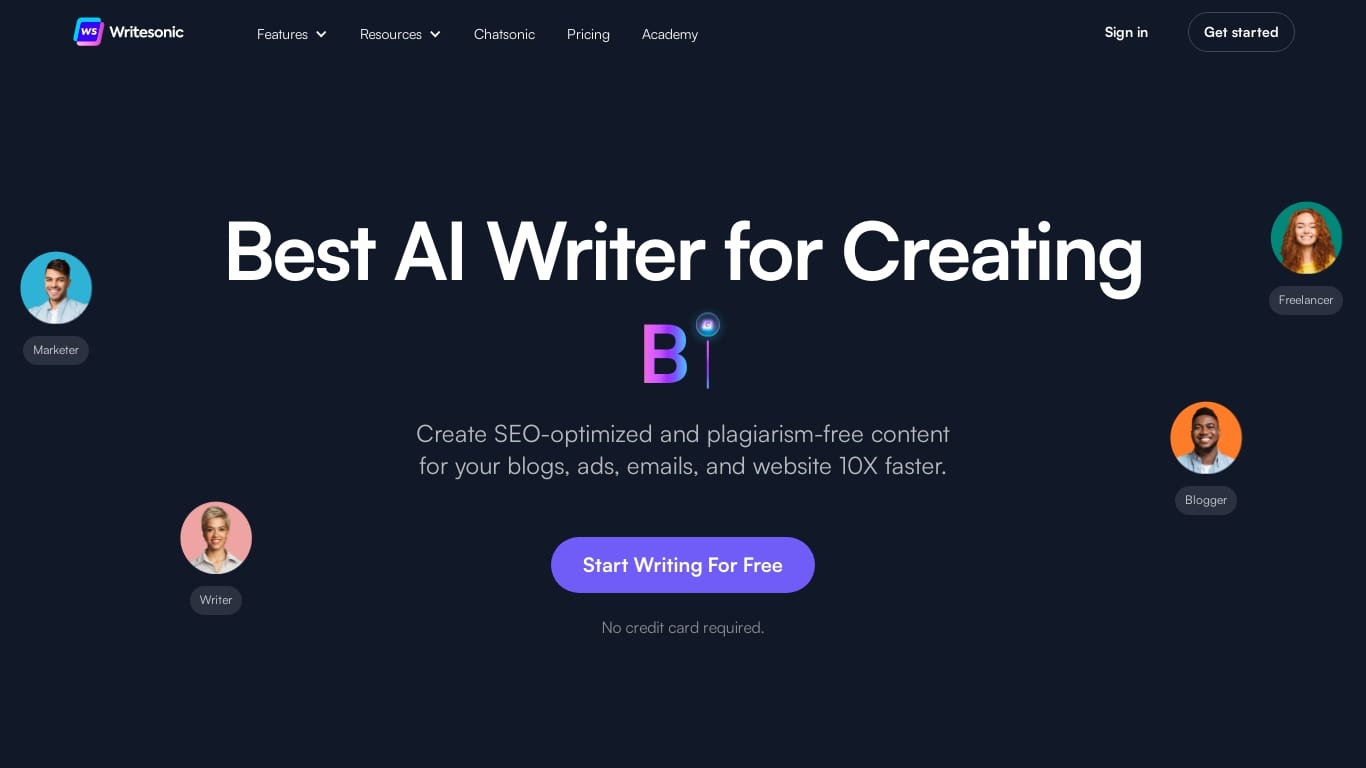
Writesonic is an AI Search Growth Engine for brands that want to show up when buyers ask ChatGPT, Claude, Gemini, Google AI, and other assistants for recommendations. Marketing teams use it to see where competitors get cited instead of them, run fixes through content and outreach, and connect visibility gains to traffic and pipeline.
Most visibility tools query AI through APIs, which can differ from what users actually see. Writesonic crawls the live web interfaces daily across 10 platforms, pulling prompt-level data, citation sources, sentiment, and share of voice from 2B+ real AI conversations.
The Action Center closes the loop: it ranks content gaps, citation opportunities, and technical issues, then ships fixes through agents, CMS integrations, and site audits. Enterprises get a dedicated AI search strategist, multi-brand dashboards, and compliance certifications (SOC 2 Type II, HIPAA, GDPR). Agencies like NP Digital and brands including Amazon and Unilever use it to manage GEO at scale.
Shakespeare Upvotes
Writesonic Upvotes
Shakespeare Top Features
Targeting AI finds audience cohorts from first-party and historical campaign data
Creative AI generates dynamic ad copy and imagery personalized per segment
Optimization AI adjusts live campaigns without manual A/B test cycles
Basic plan covers $5,000 monthly ad spend on Google or Facebook
Professional plan connects Google and Facebook with 5 user seats
Brand calibration lets teams set guidelines the models must follow
7-day free trial before paid subscription begins
Writesonic Top Features
Crawls 10 AI platforms through the real web UI daily, not API-only snapshots
Action Center ranks content, citation outreach, and technical fixes by impact
Query fanout tracking shows which sub-queries in a prompt chain mention your brand
Monitors ChatGPT Shopping, AI ads, and agentic commerce in one dashboard
20+ integrations with WordPress, Sanity, Search Console, Ahrefs, and GA4
MCP and REST API let ChatGPT or Claude pull live visibility reports on demand
Shakespeare Category
- Marketing
Writesonic Category
- Marketing
Shakespeare Pricing Type
- Paid
Writesonic Pricing Type
- Paid